Toolbox Design

More than a shell – packaging design that makes brands tangible.

Packaging not only has an aesthetic role, but above all a functional one. The five core functions are:

1. protective function – safety and durability

The packaging protects the product from external influences such as light, moisture, oxygen or pressure – and thus protects it from spoilage or damage.

Examples:

  • Vacuum packaging for coffee prevents loss of aroma.
  • MAP packaging (Modified Atmosphere Packaging) for fresh meat extends the shelf life.
  • Glass bottles for juices or dairy products protect against contamination and ensure product safety.

Why this is important: Without a protective function, a large proportion of food would spoil before it even reaches the consumer.

2. information function – transparency and orientation

Packaging is an information medium: it provides information about the contents, ingredients, best-before date, origin and preparation.

Examples:

  • Nutritional tables on muesli packaging showing the calorie and sugar content.
  • Allergen information (e.g. “May contain traces of nuts”) on baked goods.
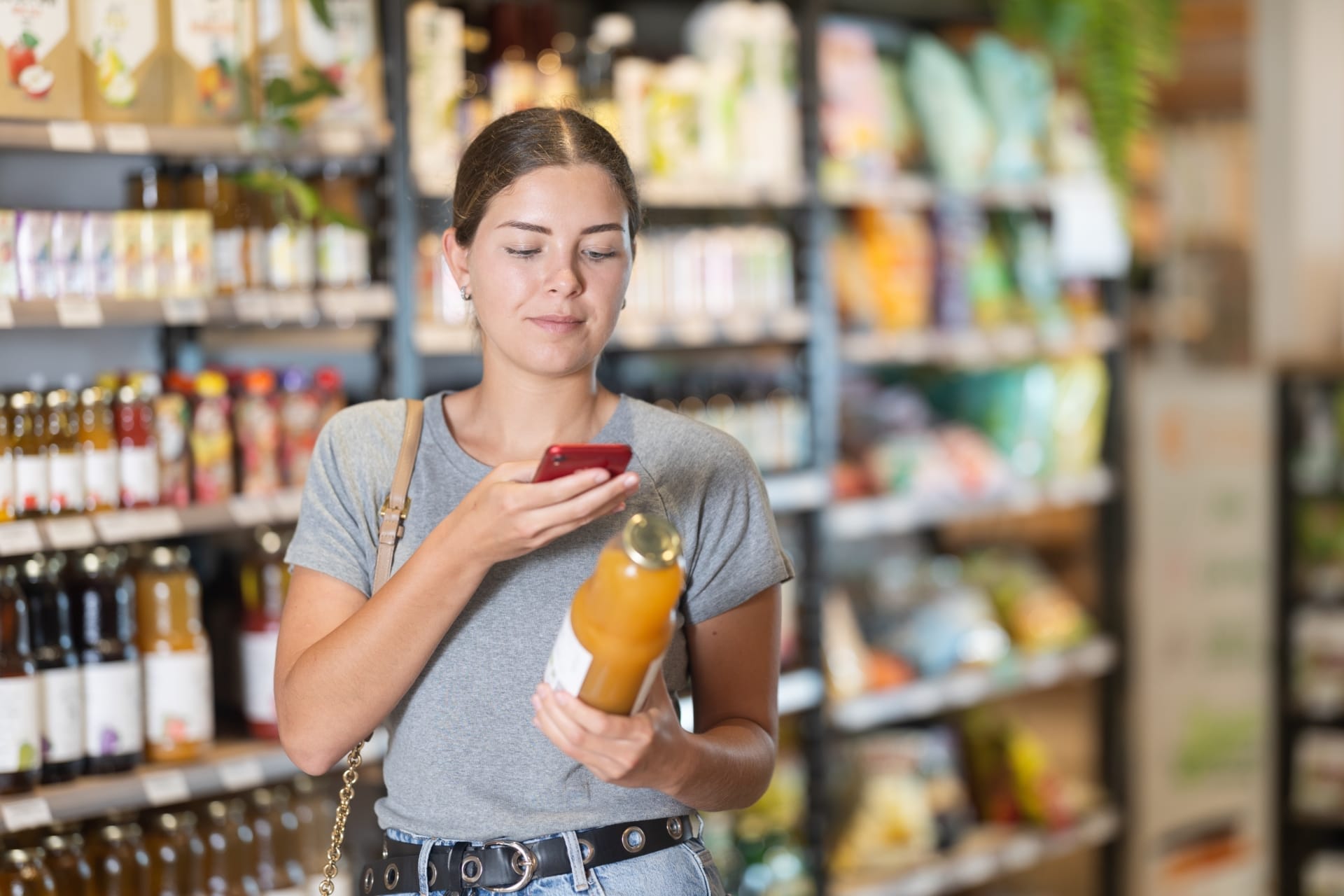
  • QR codes that lead to further information – e.g. origin story or recipe ideas.

Why this is important: Consumers want to know what they are buying. Transparency builds trust – a key criterion for food and beverages in particular.

3. communication function – brand & emotion

Packaging is the most important touchpoint between brand and consumer: it must create recognition and trigger emotional buying impulses.

Examples:

  • The iconic Coca-Cola bottle as a brand ambassador.
  • Minimalist organic brands that communicate naturalness and sustainability.
  • Premium champagne in elaborately designed gift boxes that signal value.

Why this is important: 70% of purchasing decisions are made directly at the shelf. Packaging therefore plays a key role in determining success or failure.

4. handling function – comfort and user-friendliness

Good packaging is easy to transport, easy to open and, if necessary, resealable. It supports the consumer in everyday situations.

Examples:

  • Stand-up pouch with zipper for muesli or nuts.
  • Resealable cheese packs or yogurt with a spoon in the lid.
  • Portioned bar packs that are easy to divide.

Why this is important: Convenience is a decisive competitive advantage. If packaging is cumbersome, it can become a barrier to purchase.

5. sustainability function – responsibility and circularity

Modern packaging must be ecologically sound. This means reducing the use of materials, increasing recyclability and reducing the carbon footprint.

Examples:

  • Paper-based cups with mono-material lining instead of composite materials.
  • Refill pouches that produce less waste.
  • Deposit systems for reusable packaging – from drinks bottles to to-go cups.

Why this is important: Consumers are increasingly paying attention to sustainability, and legislators are setting clear requirements (Plastics Regulation, EU Green Deal). Those who act proactively here are positioning their brand for the future.

Successful packaging balances these functions – it protects, informs, sells and brings the brand to life.

The food sector has special requirements that go beyond good design.
Here is our experience specifically for food & beverage:

Do’s:

  • Regulatory safety: compliance with LMIV, nutritional labeling, allergens, deposit or reusable labeling.
  • Incentives to buy at the POS: Food is emotional – images, colors and language must whet the appetite and trigger emotions.
  • Packaging as a storyteller: origin, ingredients, preparation – all this can be told on the packaging to create trust.
  • Hygiene & product protection: The packaging must guarantee freshness and safety.
  • Handling & convenience: Easy opening, resealing and portioning are crucial for customer satisfaction.

Don’ts:

  • Avoid “deceptive packaging”: Too much air or hidden filling quantities lead to a loss of trust.
  • Greenwashing: Simply claiming sustainability without delivering on it is risky – consumers are critical.
  • Cultural traps: Colors, symbols or claims can have different meanings in different markets.

Our learning:
Food packaging is the most important advertising medium at the point of sale. It must convey trust, appetite and brand message within seconds.

In future, we will also present our case studies here – so that you can see how we translate theory into successful practice.

In our projects, we experience time and time again that successful packaging manages areas of tension, rather than choosing extremes.

Our five theses:

  • Function × Emotion: Packaging must not only function rationally (protection, information), but also have an emotional impact and trigger buying impulses.
  • Clarity × complexity: Good design is simple and clear, but not banal – it conveys added value and tells stories.
  • Return on investment × ethics × aesthetics: packaging should be economically successful, ethically justifiable and visually appealing at the same time.
  • Brand × Product × Packaging: Brand, product and packaging must be thought of together – not as isolated silos.
  • Today × the day after tomorrow: Packaging must work today, but also be relevant tomorrow. Trends and innovations should be taken into account at an early stage.

These theses are the framework we use to manage projects – and they help our clients to set the right priorities.

Packaging goes through three phases in the shopper’s mind – often in just a few seconds:

  • Attention: Does the product stand out at all? Shape, color, contrast and placement are decisive.
  • Categorization: Does the shopper immediately understand which category the product belongs in (e.g. premium organic juice vs. discount soda)?
  • Differentiation: Only now is it about the emotional decision – why exactly this brand and not the one next to it?

This sequence is central to us: We design packaging so that it is first seen, then understood and finally chosen.

This makes it clear that we think packaging strategically – not just aesthetically.

At MILK. we see packaging as a strategic brand instrument. Our design process begins with the brand identity – not with the form. We translate values, attitude and target group understanding into visual and haptic elements that create recognition and arouse emotions. In this way, packaging becomes a medium that makes the brand visible, tangible and desirable.

Typography conveys at first glance how “natural” a product looks – even before the content or material can convince. For many consumers, typeface is the strongest emotional trigger: it determines whether a product is perceived as authentic, handcrafted, purist or artificial.

Organic shapes signal naturalness.
Fonts with slight irregularities, soft curves or handwritten impressions appear human and approachable. They convey the feeling of craftsmanship, origin and genuine ingredients – particularly strong in the organic and fresh food segment.

Clarity creates trust.
Reduced, easy-to-read sans-serif fonts communicate transparency and honesty. In combination with nature-inspired materials or colors, a modern, “clean natural” aesthetic is created, which is particularly popular in premium F&B.

Too much perfection creates distance.
Ultra-geometric, technical-looking fonts can appear sterile or artificial – suitable for functional food, less so for products that want to emphasize naturalness or originality.

Context determines credibility.
Typography never works alone. Only the interplay of typeface, imagery, material, color and text tone creates a credible narrative of naturalness. Good design balances clarity and emotion – naturally, without appearing artificial.

In short: typography is an essential tool for showing naturalness – quietly but effectively. It forms the first impression and determines whether a product looks “real” or not.

What counts most at the POS is fast, intuitive access. Design elements that create orientation and generate trust significantly increase the likelihood of purchase.

Clear hierarchy and strong recognizability
Logo, variety name and benefit must be recognizable at first glance. A clear structure helps consumers to classify the product immediately.

Color codes for varieties and functions
A consistent color system facilitates navigation on the shelf and strengthens brand perception – especially in broad product lines.

Eye-catching but precise claims
Short benefit messages (“high in protein”, “no added sugar”) provide orientation and reduce decision-making complexity. Credibility is important instead of sensory overload.

Haptics and material effect
Matt finishes, textured embossing or durable surfaces create value and appeal to the emotions – often an underestimated trigger in the fast FMCG environment.

Authentic imagery and clear product images
Genuine ingredients, clear food visuals and a coherent visual language convey trust and make people want to buy.

In short: at the POS, design decisions that convey orientation, clarity and a good feeling win – quickly, relevantly and unmistakably.

Colors have a different effect on refrigerated shelves than on ambient shelves: cold, light and glass surfaces change perception. Successful color systems support orientation, freshness and variety logic.

Shades of blue and white for freshness and purity
Cool, light shades reinforce associations with cleanliness and freshness. They harmonize with the shelf environment and are intuitively associated with milk, lightness and “clean”.

Natural green and beige tones for origin & naturalness
Earthy colors communicate regionality, organic and low processing. Particularly effective for yoghurt, kefir and fermented products.

Clear variety colors for strong navigation
For fruit varieties, a direct reference to the ingredient has proven its worth: strawberry red, mango yellow, blueberry purple. This creates immediate recognition and makes it easier to make the right choice in the chilled section.

Use dark tones with caution
Very dark colors lose their presence and legibility in cold light. They tend to work better in premium concepts and should be used selectively.

In the end, what counts is a color system that conveys freshness, provides orientation and credibly conveys naturalness – clear, bright and logical.

Brand essence and haptics intertwine where material, surface and shape make the brand promise tangible. The packaging becomes a physical extension of the identity.

Materiality as a brand ambassador
Natural, matt or fibrous surfaces appear handcrafted and sustainable; smooth or glossy materials communicate purity, technology or premium. The chosen material should make the central brand motif directly tangible.

Surfaces and microstructures
Embossing, reliefs or slight roughness lend depth and value. They create a “signature touch” that promotes recognition and builds trust.

Shape and handling
Ergonomic shapes, a secure grip or intuitive opening mechanisms strengthen brands that stand for proximity, comfort or suitability for everyday use. Premium brands often rely on reduced, clear shapes with a precise finish.

The result is a feel that is not decorative, but carries meaning: The packaging reflects what the brand stands for – directly, consistently and tangibly in the truest sense of the word.

Premiumization occurs when a familiar product is recharged – without losing its identity. Design takes on the role of value enhancer: subtle, clear and high-quality.

Reduction instead of over-staging
Fewer elements, more focus: clear typography, calm color worlds, generous white space. Reduction signals quality and makes the classic stand out from the crowd.

Material and finishing nuances
Matt surfaces, fine embossing or metallic accents enhance the haptic and visual value without appearing artificial.

Precise imagery and a focus on ingredients
High-quality food photography, pared-down scenes and real ingredients create credibility. Premium comes from clarity, not exaggeration.

Form and structure as differentiation
Tidy packing structure, balanced proportions and a precise design convey care and quality craftsmanship.

In essence, premiumization succeeds when the design retains the familiar character but raises it to a new level of value – modern, high-quality and self-confident.

Shelf impact can now be tested digitally and efficiently even before physical samples are produced.

3D visualization & mockups
Programs such as iC3D or Esko Store Visualizer show products realistically on the shelf and allow quick comparisons of variants.

Virtual shopper tests & eye tracking
Tools such as RealEye or Simstore Pack digitally measure attention, gaze patterns and visual dominance in test subjects.

Combination with real shelf tests
Digital tests can be supplemented by classic shopper studies to test behavior, buying impulses and comparison with the competition.

This enables brands to recognize at an early stage which design stands out on the shelf, provides orientation and supports purchasing decisions.

Frequently asked questions & answers

FAQ