Packaging design in 2 seconds: Why clarity does more than creativity.
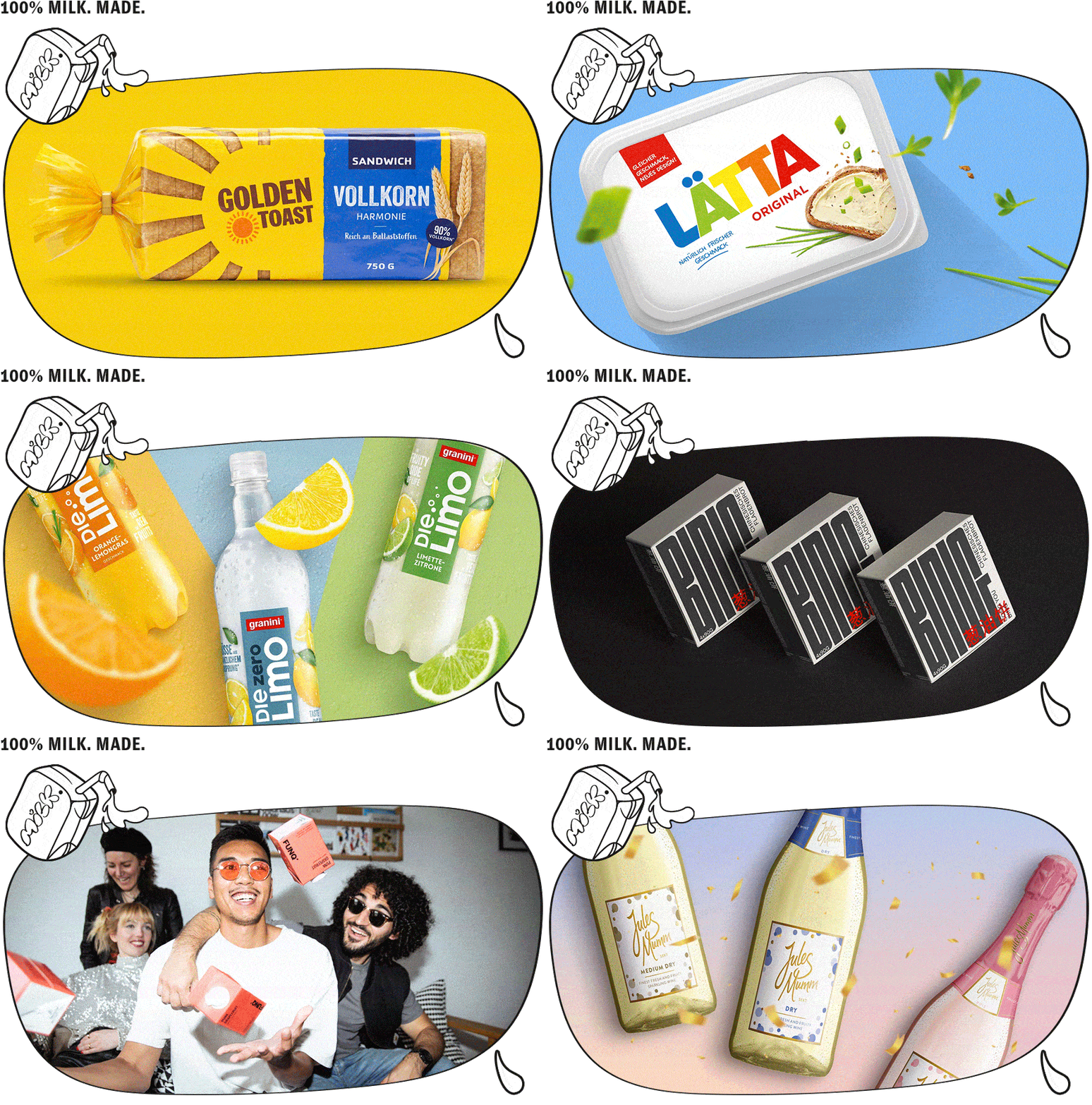
The most important facts in brief:
- Packaging design is often judged too heavily on aesthetics, even though comprehensibility and orientation are the most important factors in the market.
- In the food and FMCG environment, many purchasing decisions are made in seconds – those that are not captured quickly lose attention and relevance.
- Good packaging must first clarify: What brand is it, what is the product, what is it relevant for and why should I take a closer look?
- Many packages fail not because of a lack of creativity, but because of too many messages, too little hierarchy and a lack of distance legibility.
- Clarity is not a creative sacrifice, but a strategic lever: it increases recognizability, classification and purchase probability.
- A typical mistake often occurs with rebrandings in particular: the design appears higher quality internally, but is understood more slowly externally and is harder to find.
Why clarity on the shelf often sells more than creativity.
Packaging design is still surprisingly often discussed as if it were primarily about taste. Do we like that? Is it high quality enough? Is it modern enough? Is it emotional enough? None of this is irrelevant. But it misses the real point.
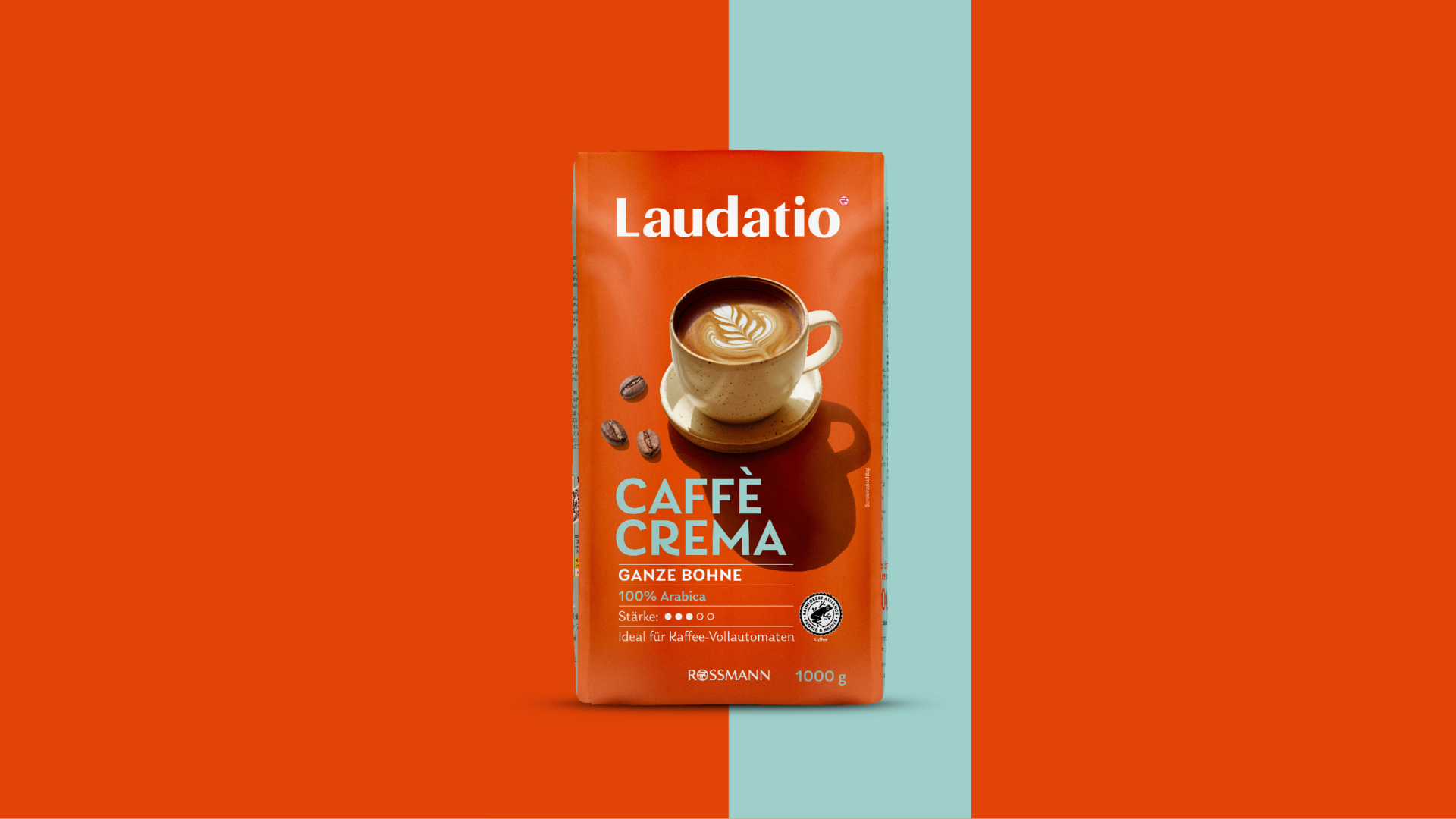
Because packaging is not bought in presentations. It is perceived on the shelf, in the chiller cabinet, in the feed, in the search results list and in passing. There, it is not aesthetics but orientation that is decisive. Not originality, but comprehensibility. Not design love, but readability.
In the food sector in particular, strategic packaging design is not primarily a question of style, but a question of comprehensibility. Many purchasing decisions are made quickly, situationally and with limited attention. Anyone who is not immediately understandable at this moment loses. Not because the product is bad. It’s because the packaging doesn’t do its job.
I think this is one of the most common mistakes in packaging design: many brands try to become more beautiful, although they first need to become clearer.
Packaging does not compete for design prizes, but for seconds.
Anyone thinking strategically about packaging design needs to ask themselves a simple question: What needs to be clear in the first two seconds?

In essence, there are usually four things:
- Who is the brand?
- What is the product?
- For whom or for what is it relevant?
- Why should I take a closer look?
If these four levels cannot be read quickly, friction arises. And friction is almost always a disadvantage in the FMCG context. This is because most people do not perceive packaging with curatorial attention. They scan. They compare. They reach for familiar patterns. They sort out in fractions of a second what seems relevant and what doesn’t.
This is precisely why good packaging design is first and foremost a system of consolidation. It reduces complexity. It translates product logic into visible order. It helps people to understand more quickly what they have in front of them.
This does not mean that design has to be functionally sober or lacking in ideas. On the contrary. Good design creates clarity not despite creativity, but through discipline.
Why many packaging companies want too much.
A common problem today is that packaging is expected to shoulder too many tasks at the same time. It has to convey the brand world, build differentiation, explain product benefits, communicate sustainability, radiate quality, function online, meet regulatory requirements and satisfy as many stakeholders as possible internally.
The result is often not strong packaging, but a compromise object.
Too many messages. Too many signals. Too many creative intentions. Too little hierarchy. This is exactly where design tips over from impact to overload. What appears internally as “rich” or “valuable” is often simply exhausting for buyers. Because comprehensibility is not achieved by saying everything. It comes from saying the right thing first.
Strong packaging therefore makes tough decisions. They prioritize. They organize. They leave things out. And they accept that not every piece of information can be equally loud.
Clarity is not a creative sacrifice, but a lever for growth.
I often see that clarity in design is almost reflexively confused with simplification in a negative sense. As if clear design is automatically flatter, more interchangeable or less distinctive. This is a misunderstanding. Clarity is not a renunciation of profile. It is the prerequisite for a profile to be perceived at all.
Packaging can only be experienced as independent, high-quality or innovative if it is clear what it actually is. If you lose category readability, you not only lose orientation, but often also relevance. This is because people do not reach for the most interesting artifact on the shelf, but for the most comprehensible solution for their needs.
This is particularly relevant for food brands. Category codes, product logic and usage situations have a strong impact here. The product must be immediately classifiable in its context. Is it a protein snack? A children’s product? A premium indulgence? A basic product suitable for everyday use? A healthy alternative? An impulsive reward? If packaging does not achieve this classification quickly, even the best design idea is of little use.
The real question is: What has to work at a distance?
Many packages are optimized in detail, although their problems are much more fundamental. Colors, icons, claims, imagery, typography – everything is being refined. But the central question remains unanswered: what actually works from a distance?
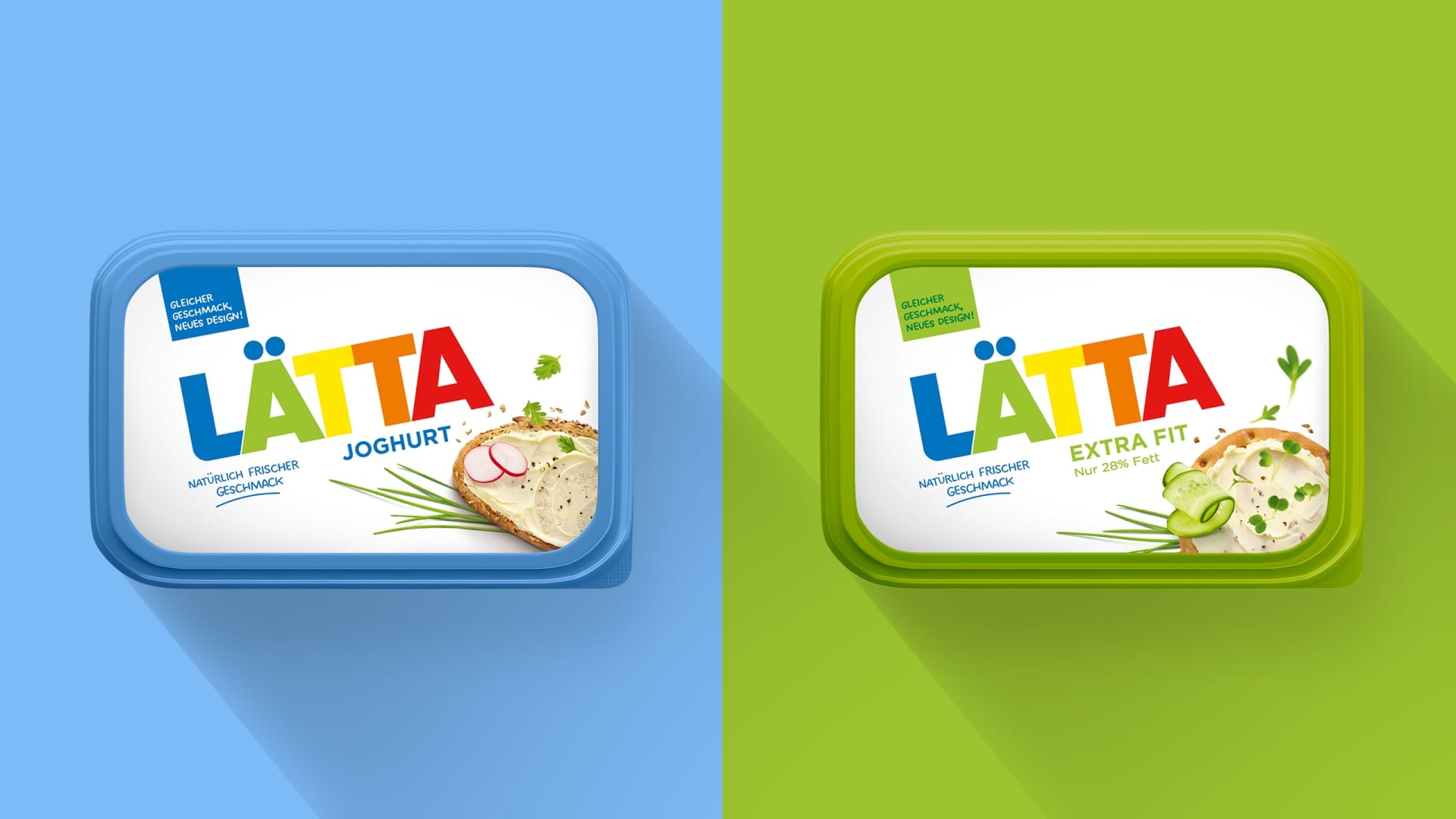
I like to work mentally with three levels of perception.
- The distance level – Above all, it must be recognizable from two meters: Brand, product type, category signal.
- The decision level – One meter must become clear: Variant, benefit, differentiation, relevance.
- The confirmation level – In the hand, details, proofs, ingredients, origin, quality and other information may then be deepened.
Many packages reverse this logic. They are careful at the confirmation level, but weak at the distance level. This means that those who already have them in their hands understand them. But that is precisely where they often fail to reach. This is strategically problematic. After all, packaging doesn’t have to work after attention, but before it.
Why aesthetics are still important – but in the right place.
Of course, beauty also sells. Of course, aesthetics can generate desire, convey value and strengthen brand differentiation. But aesthetics are no substitute for comprehensibility. I would put it this way: Good aesthetics reinforce clarity. Bad aesthetics obscure it.
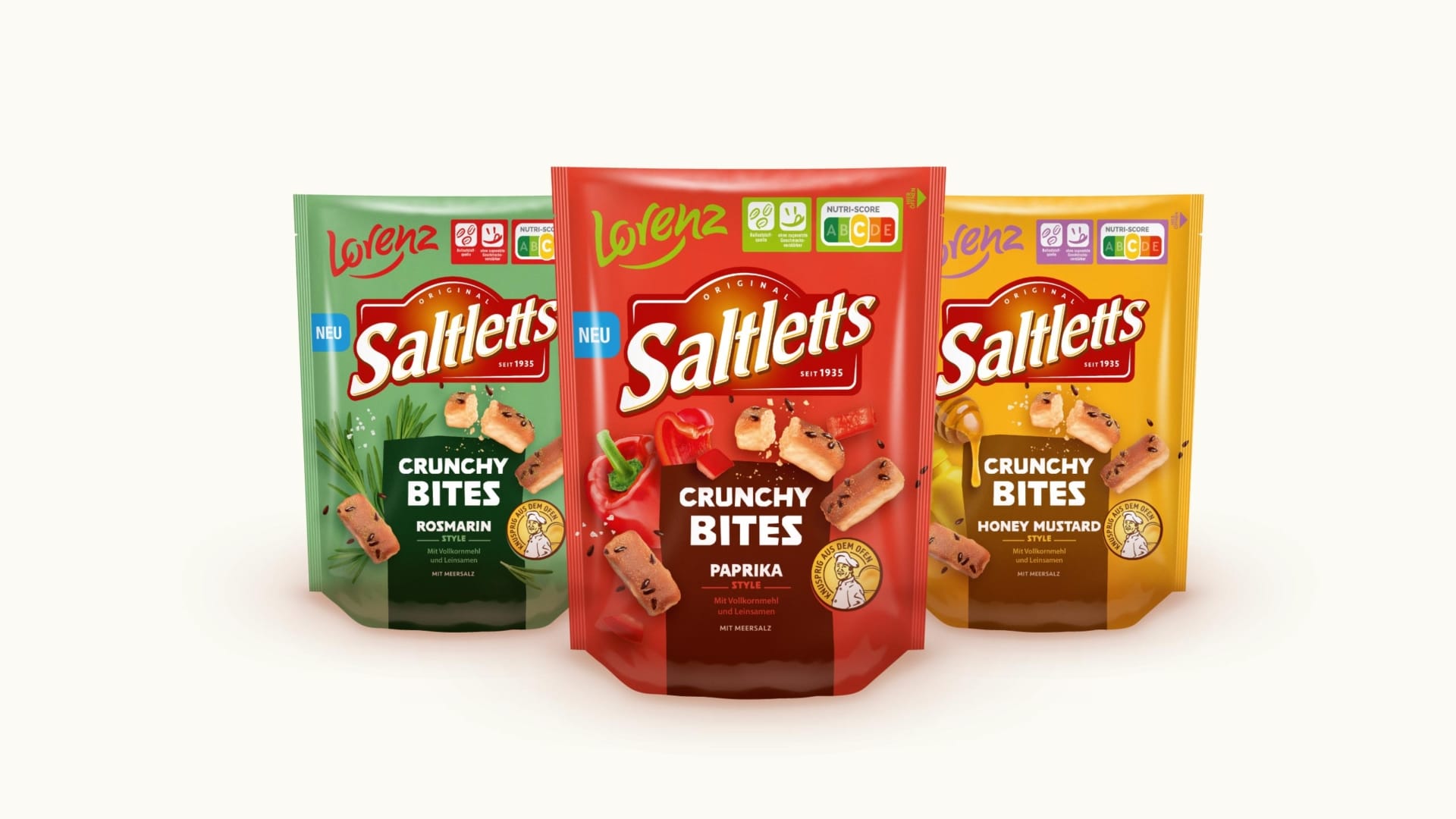
Strong packaging combines both. They have a precise hierarchy and a clear character at the same time. They are recognizable and independent. They organize quickly and yet remain memorable.
Premium brands in particular often make a mistake here. They do not focus on clarity, but on restraint. The result appears calmer, finer, more elegant – but often also smaller, quieter and less clear. Premium is then confused with a low visual presence. This can work in certain categories, but is often riskier than is assumed internally. After all, even a premium product must first be easy to find and understand.
The most common rebranding mistakes.
This problem is particularly visible during relaunches. Many rebrandings improve the design from an internal perspective and at the same time weaken it in the market. Why? Because assessment works differently internally than externally.
Internally, more attention is paid to style, modernity, coherence and brand appeal. Externally, what counts first is whether the packaging is still recognized, correctly assigned and quickly read.
The typical errors are:
- Product names lose clarity in favor of more striking language
- Variants become more individual in terms of design, but systemically more confusing
- Color worlds become more elegant, but more interchangeable on the shelf
- Claims become more emotional, but less concrete
The problem is not that such decisions have to be wrong. The problem is that they are often not checked against the actual market question: Will packaging be understood faster or slower? This is exactly where Packaging needs more strategic rigor.
A simple test that many more brands should do.
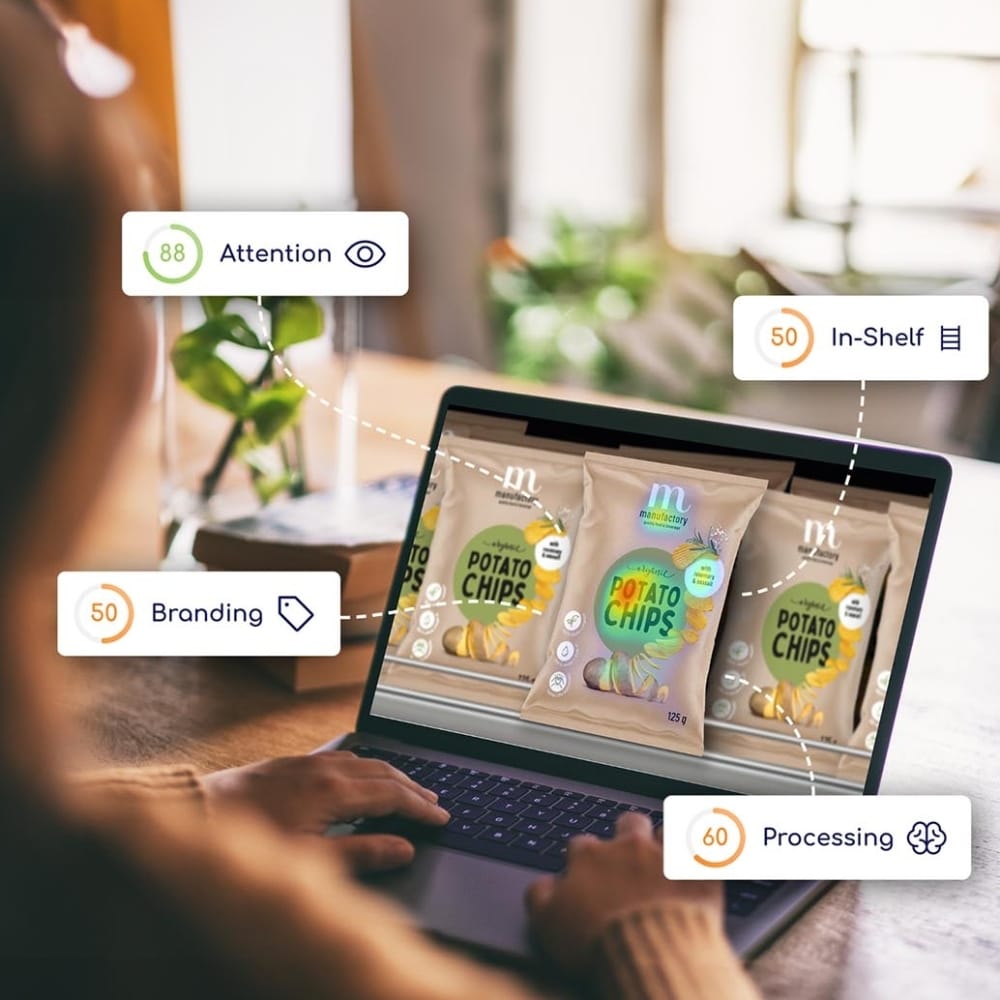
Many packaging discussions would become clearer if brands tested their designs earlier via digital shelf tests and the actual visual impact in the competitive environment.
This does not require a huge research apparatus. An initial test is surprisingly simple: the distance and seconds check.
Don’t ask if you like the design first. Ask:
- What do people recognize in two seconds?
- What remains legible from two meters?
- Is the product immediately classified correctly?
- Is the variant quickly distinguishable?
- Is the most important message really the first message?
This type of examination changes discussions. It leads away from “prettier” or “bolder” and towards “clearer” or “less clear”. And this is exactly where strategically sensible packaging design begins.
Packaging design is orientation before staging.
My point is therefore clear: packaging design should not start with the question of how it should look. It should start with the question of what needs to be understood in seconds.
This is no small matter for growing food brands. It is a competitive factor. Those who are understood more quickly are more likely to be seen. Those who are seen sooner are more likely to be tested. Those that are easier to categorize have a better chance of reaching the shelf. That’s why comprehensibility is not a precursor to good design. It is its foundation.
Only when packaging creates orientation can it fulfill its second task: Building character, creating differentiation and making brand value visible. The strongest packaging is therefore not the one with the most design. But those that lead the way most clearly.
And for me, this is where the real future of packaging design lies: not in more and more surface, but in more precision. Not in more statement, but in better prioritization. Not in design as decoration, but in design as a strategic translation of relevance.
Those who understand this do not simply design more beautifully. But more effectively.