Bye-bye injection molding, hello fiber molding
The triumph of paper is unstoppable. Not only do consumers prefer fiber-based solutions (although not always rightly so), but so does the EU. While the plastics industry is suffering from minimum recycled content and mandatory recyclability, paper manufacturers are experiencing an upswing thanks to PPWR. And that’s not all – improved technologies make it possible to manufacture increasingly complex paper products that aim to outstrip plastics!
Companies to watch:
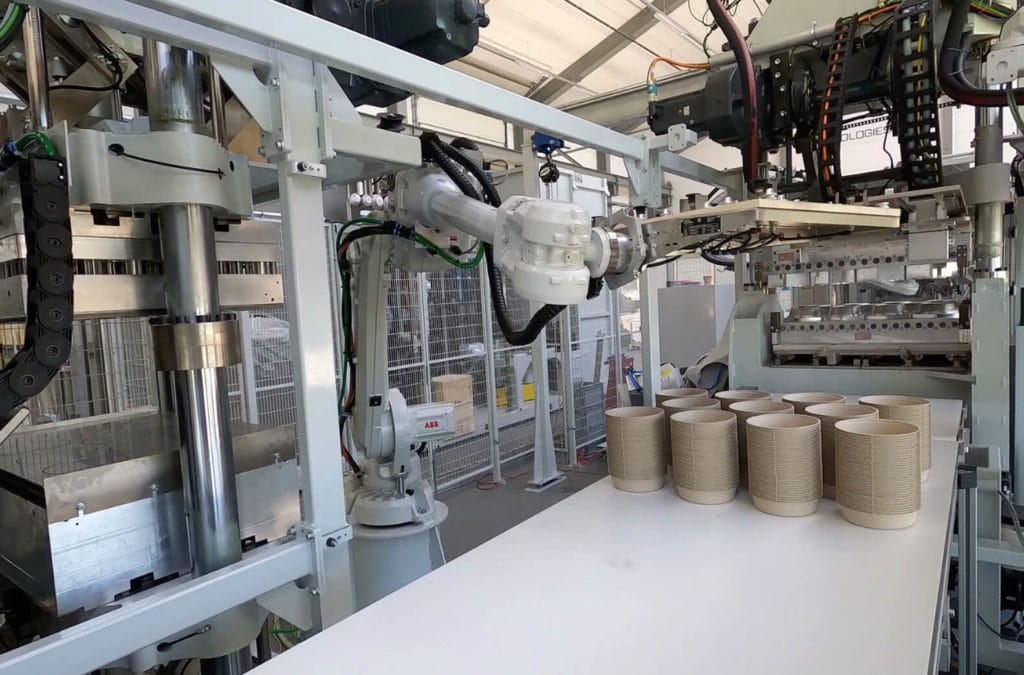
Machine manufacturers such as Kiefel are working on these processes. Wet fiber molding, in which fibers dissolved in water (pump) are pressed into a new shape using pressure, is already established. Residual moisture is removed from the product by heating, resulting in dimensionally stable packaging. This makes it possible to produce complex molds that can replace plastic trays, for example. However, the process consumes a considerable amount of water and is energy-intensive due to the heating and pressure required.
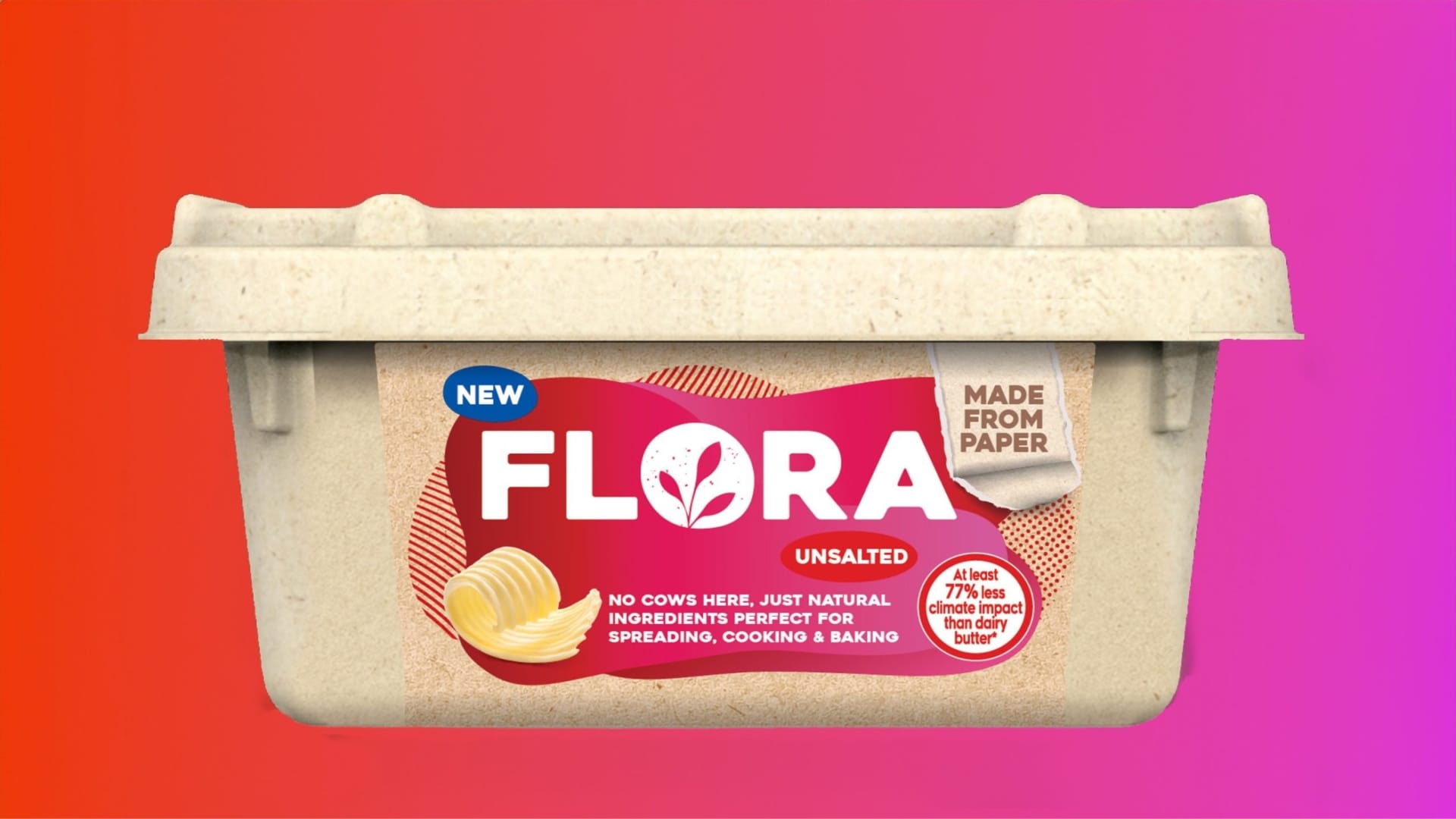
The approach for the future and the next logical step is therefore dry fiber molding. Instead of a water-containing compound, a dry fiber mesh is used as the starting material. This not only saves resources, the process is also much faster in comparison. Just 3.5 seconds are sufficient for one cycle. Savings and speed can also reduce costs. However, the price is and remains the major bottleneck of these technologies – currently, fiber-molded packaging still costs the manufacturer around twice as much as plastic injection molding.