Less plastic thanks to hybrid
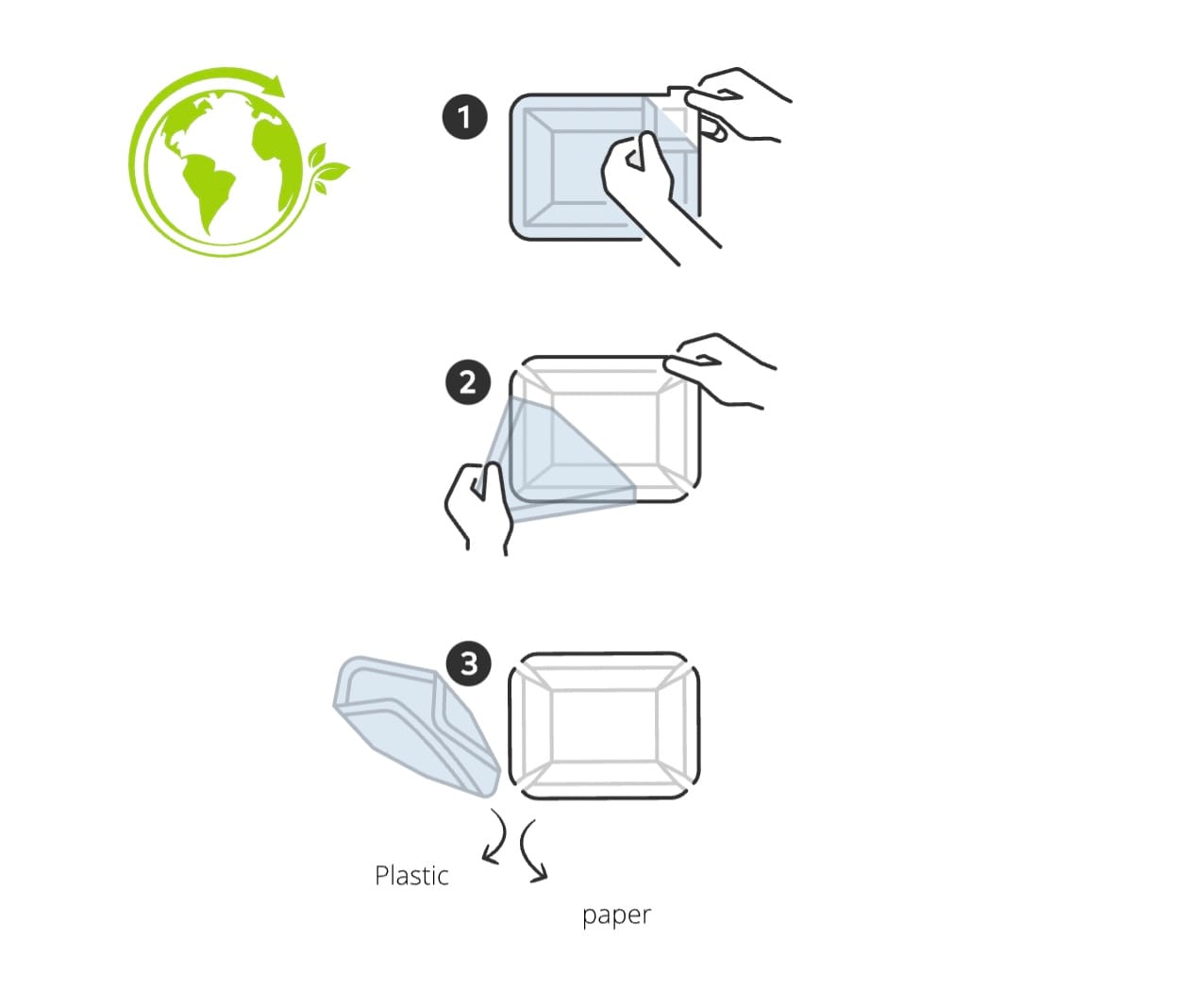
“Less is more” is the principle of the Reduce trend. This can also work with smart material combinations. Such as the “eTray” from SEALPAC. This is a prefabricated cardboard tray in which the plastic or plastic composite used serves only as a sealing and functional medium. A cardboard die-cut is given a plastic inlay made of sealable polypropylene in a thermoforming process. The die-cut is then erected and delivered as a prefabricated tray. After use, “eTray” can be very easily separated into its two main components, i.e. the functional material (plastic inlay) and the carrier material (cardboard or fiber material). This produces significantly less waste, which can be disposed of separately according to materials. According to SEALPAC, around 40 to 60 percent of plastic is saved compared to the conventional PP packaging format.
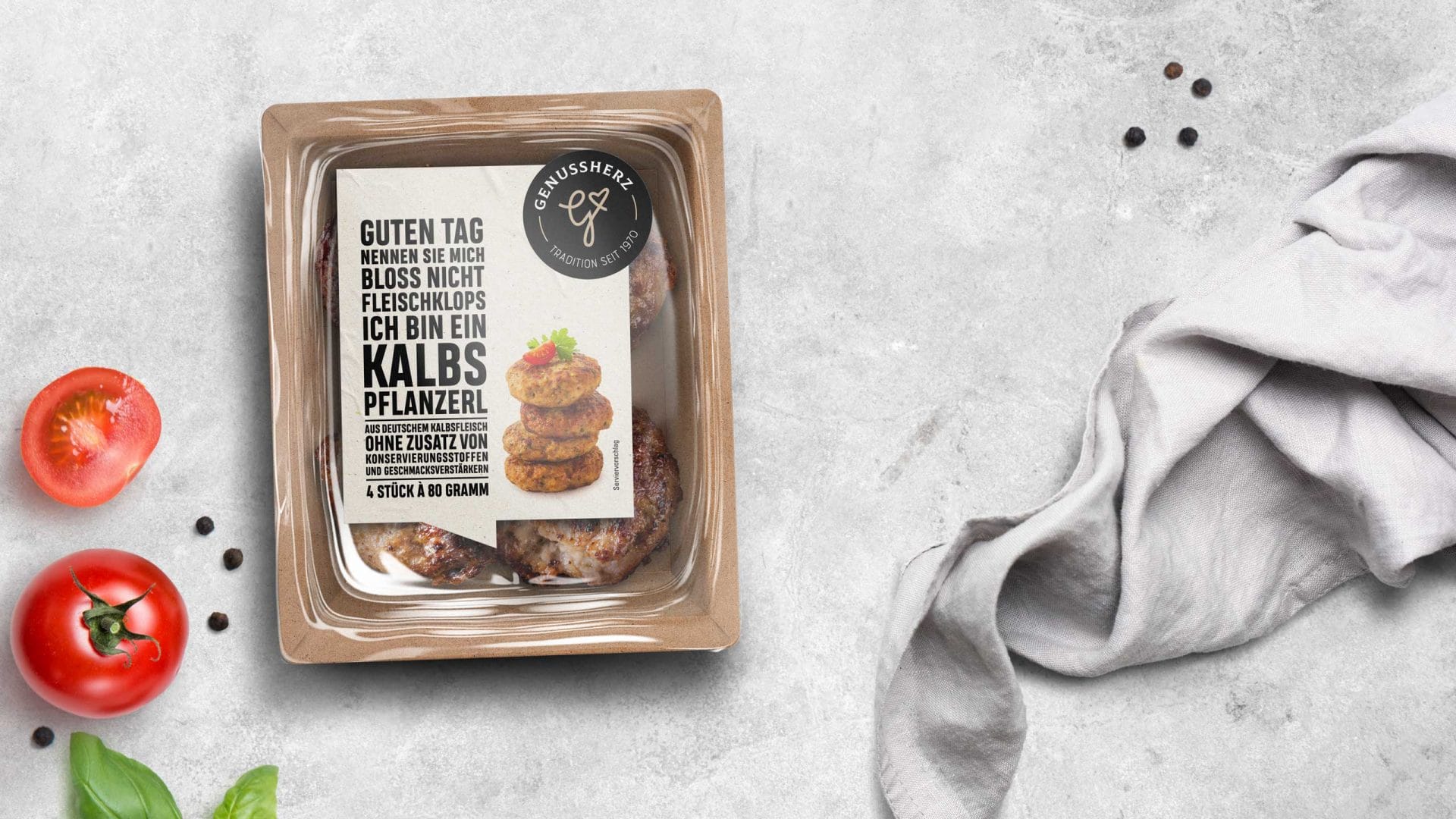
The solution has also been used in MILK. Projects have already used the solution. In the example shown above, the frozen products from Seubert Feinkostmanufaktur were packaged using a hybrid solution from Halopack. The thin plastic layer still provides optimum product protection, but is easy to remove and can therefore be disposed of in the yellow bag (in Germany). The amount of plastic compared to comparable plastic trays with top film can thus be significantly reduced once again.
The cardboard part of the packaging later goes into the recycling loop for paper, which works well in Germany.