Submit a no-obligation project inquiry now!
Sustainable packaging design means designing packaging in such a way that it minimizes ecological impact – through material efficiency, recyclability and resource-saving production, without compromising functionality or brand impact.
Sustainable packaging design takes into account the entire life cycle of a product – from the raw material to production and transportation to disposal or recycling. In the food industry, this means developing packaging that protects food, communicates brand values and at the same time conserves resources. The aim is to achieve a balance between ecology, function and brand aesthetics.
Sustainable packaging design is much more than a trend today – it is a necessity. From an environmental perspective, it helps to conserve resources, reduce waste and significantly reduce the carbon footprint of products. Legally, strict requirements such as the EU Packaging Regulation or national recycling quotas are increasingly forcing companies to use environmentally friendly materials and recyclable concepts. At the same time, sustainable design also strengthens the brand: consumers are paying more and more attention to ecological responsibility and prefer brands that act transparently and sustainably. This makes sustainable packaging design a decisive competitive factor – for the environment, legal compliance and brand image in equal measure.
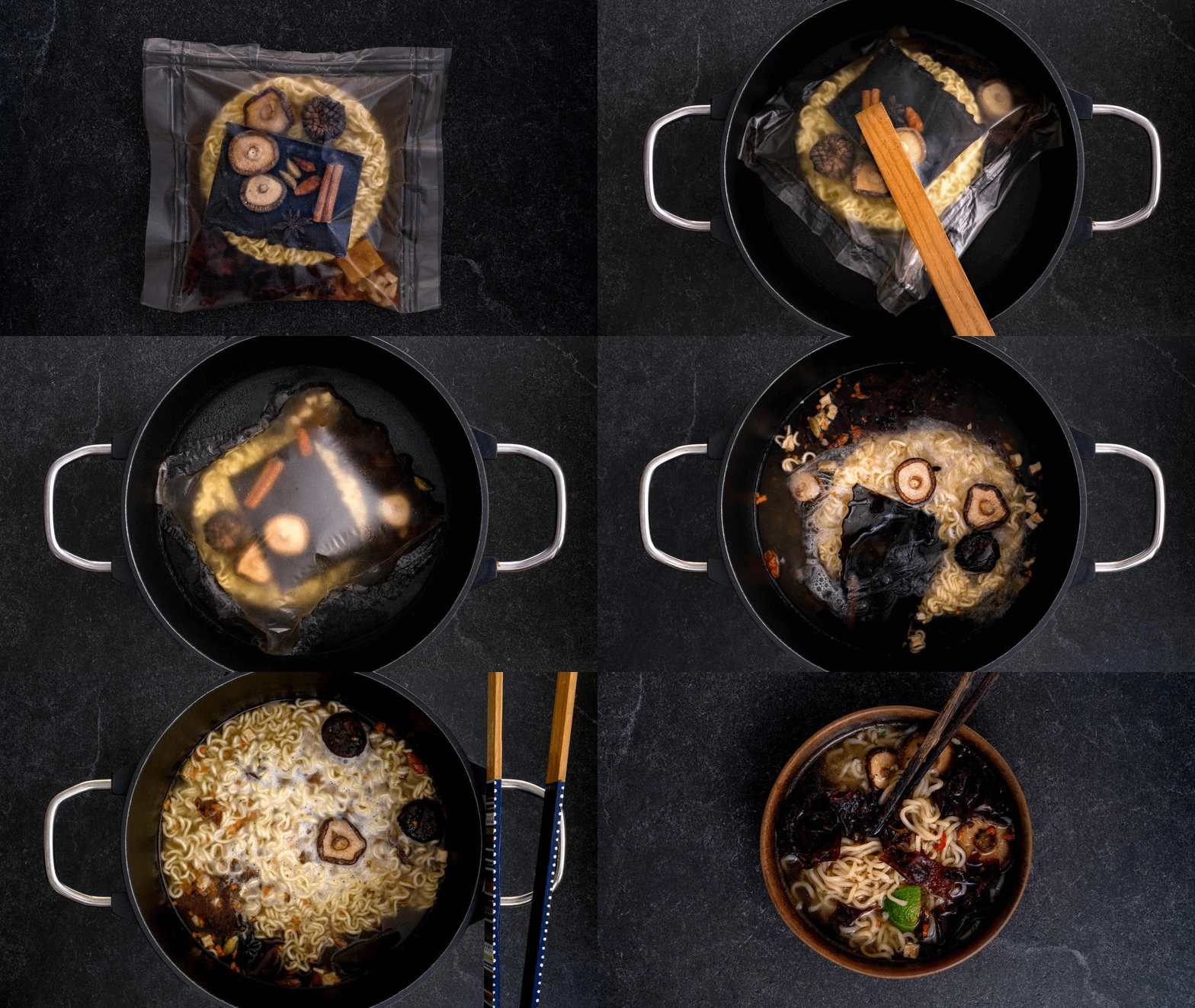
Packaging that simply disappears after use? An unrealistic dream? Not for inventive companies and designers who are working on it. In collaboration with Notpla, we were able to test soluble packaging and created the instant soup of the future in our Food Lab. We call it soupa soup!
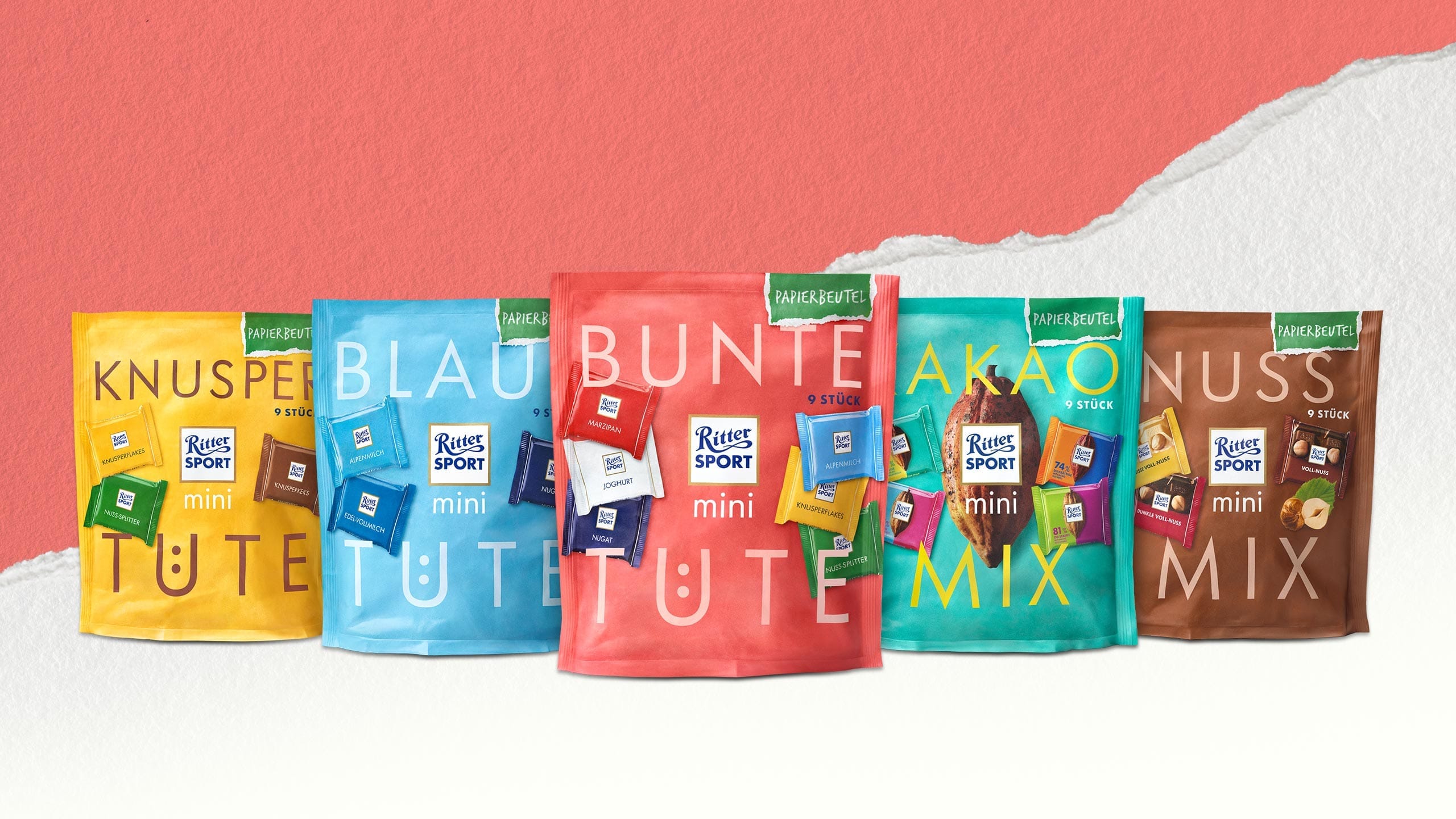
The new packaging format saves tons of plastic every year. However, we do not skimp on the enjoyment, because the new bags are not just for the little rippers.
Sustainable packaging design faces the challenge of combining ecological responsibility with functionality, economy and brand aesthetics. Materials must not only be environmentally friendly, but also durable, food-safe and logistically efficient. At the same time, the switch to sustainable solutions often requires new production processes, supply chains and higher initial investments. But this is precisely where exciting trends are emerging: innovative organic and recycled materials, modular reusable concepts, digital product passports and minimalist designs are shaping the future of packaging. Brands that embrace these developments at an early stage position themselves as pioneers of a conscious and sustainable economy.
Sustainable packaging design is not a trend, but a prerequisite for sustainable brands. It combines design, function and responsibility – and strengthens consumer confidence.
Sustainability in packaging design