Nose to Tail Packaging.
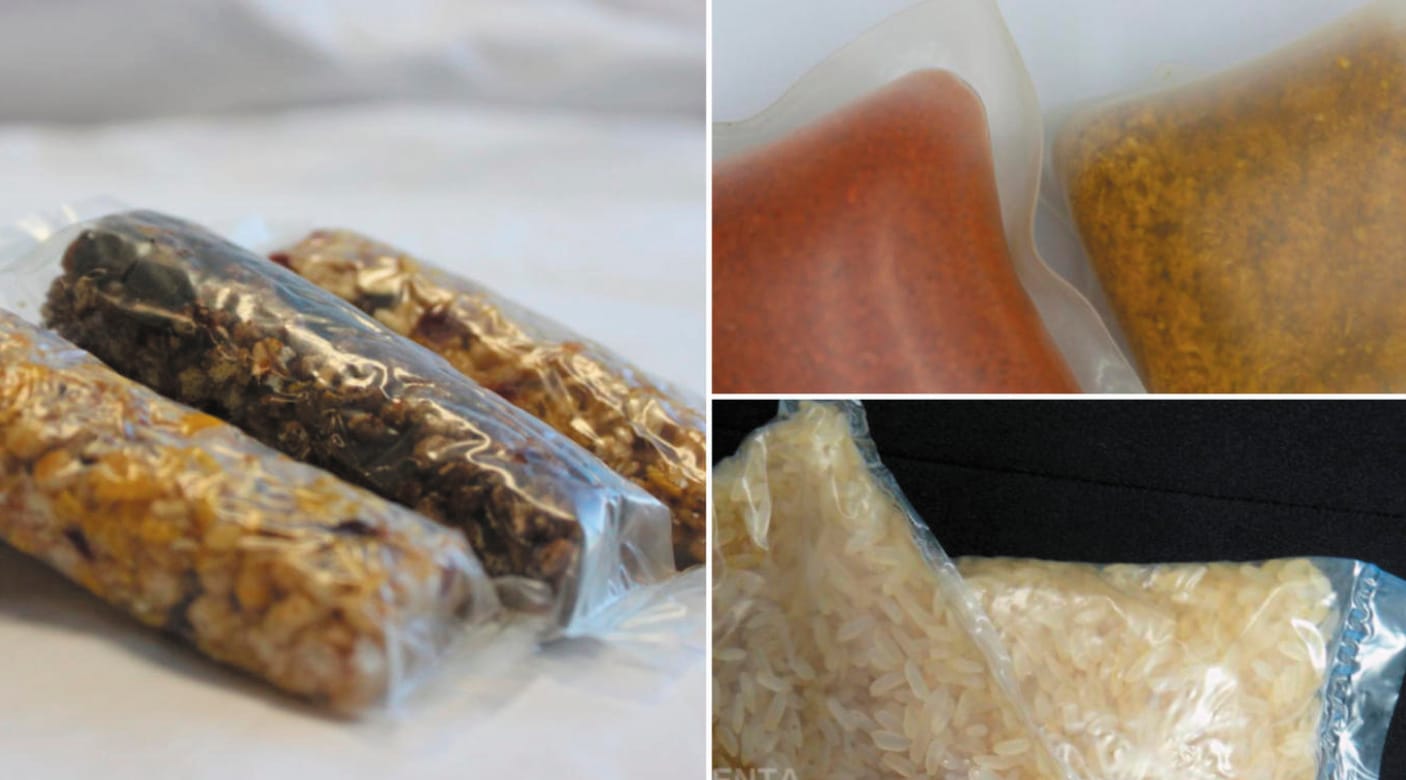
Image source: Lactips
Lactips is an edible plastic made from milk protein and produced in the form of pellets. The production is an industrial process that allows rapid production in large quantities. The thermoplastic, water-soluble pellets dissolve in both hot and cold water and are completely degradable. They also have excellent barrier properties. The material is particularly sustainable because it can be used to process milk that is no longer suitable for consumption. In this way, production surpluses and leftovers are put to useful further processing. The OK home compost label from TÜV Austria certifies that Lactips can be composted at home for a period of 6 months without any heavy metal residues. Lactips is particularly used in the manufacture of films and thermoformed items and is an ecological, sustainable alternative to conventional (non-edible) materials.
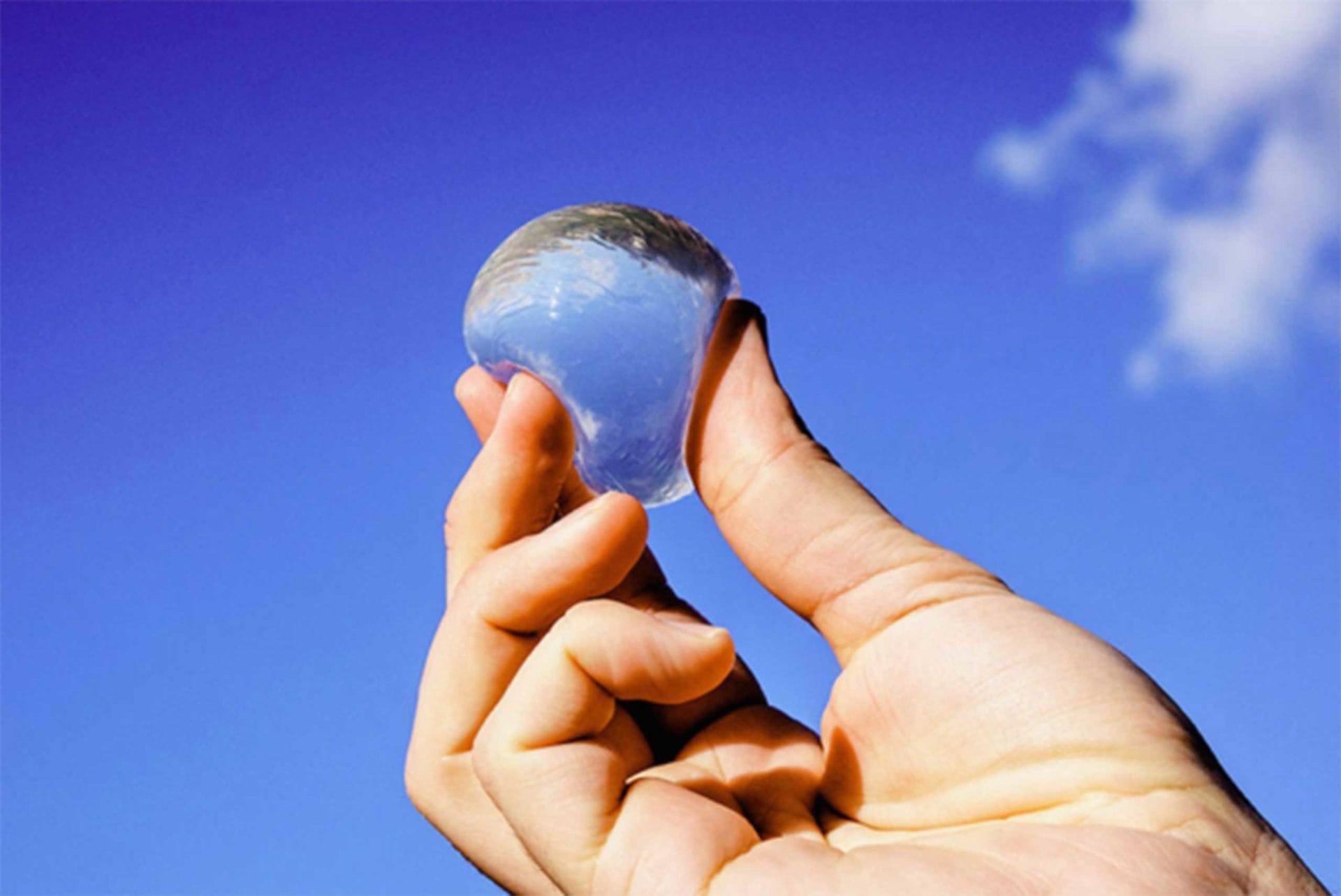
Image source: NOTPLA
NOTPLA ‘s edible packaging was described in the media as the “bottle of the future” back in 2015. With “We make packaging disappear”, the company promises to counteract packaging waste through their flexible and edible shell, thus reducing plastic use. The “unpackaged” liquids are particularly advantageous at large events and can be used in both the anti-alcoholic and cocktail as well as take-away sectors. The material consists of water, alginate and calcium ions. Alginate, which resembles plant starch in its chemical structure, is also frequently used as a thickening and gelling agent. Combined with calcium ions, a three-dimensional sponge network is formed that can absorb water. The material decomposes naturally within 4-6 weeks, making it a sustainable and practical solution for drinks as well as dressings or sauces.
We turn the packaging into an ingredient
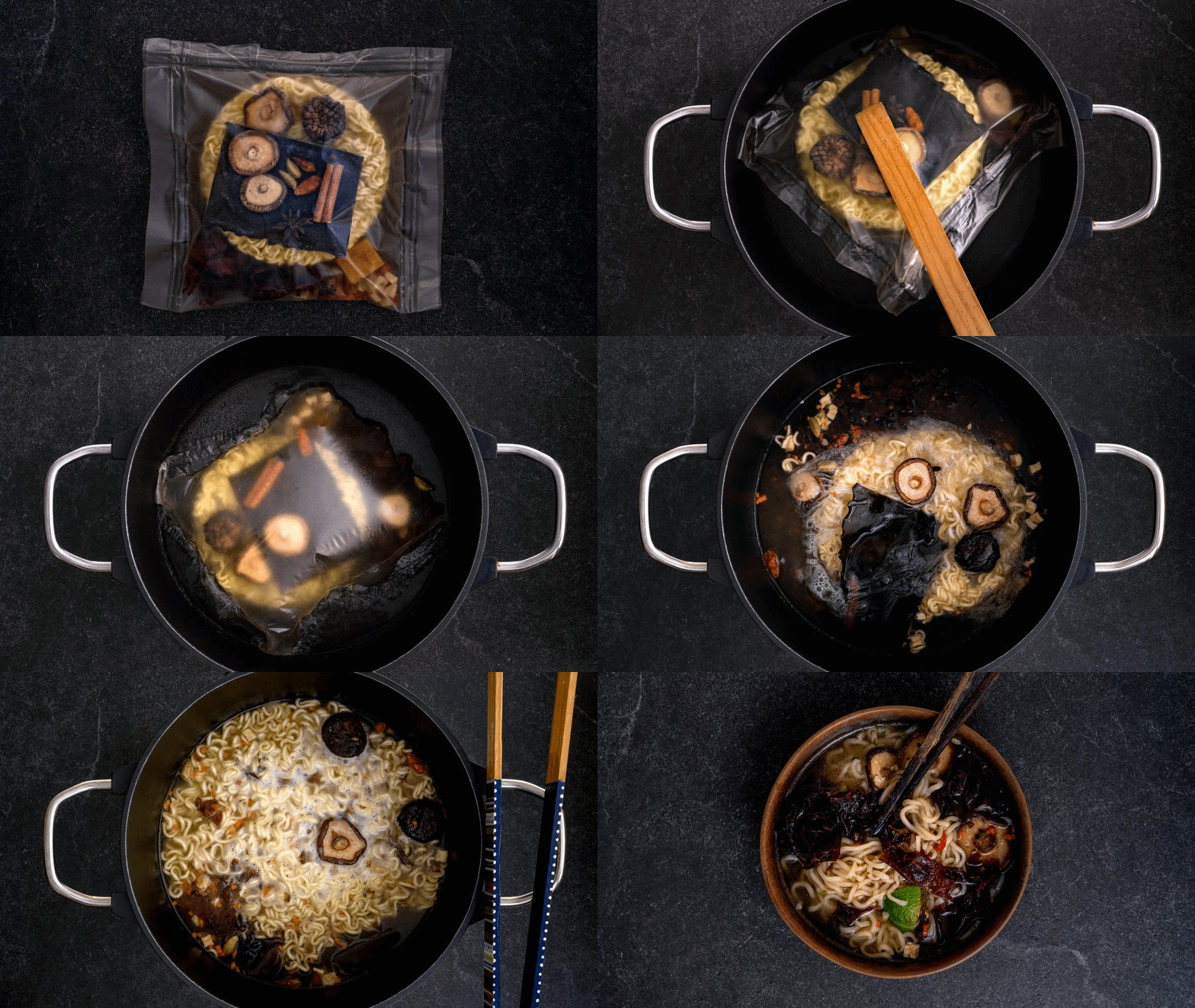
Image source: MILK.
We, too, have developed a concept with our “Soupa Soup”, which already visualizes where the journey will lead. This wonderful project in collaboration with Notpla shows how Zero Waste Packaging will become a reality the day after tomorrow. Click here to go to the project.
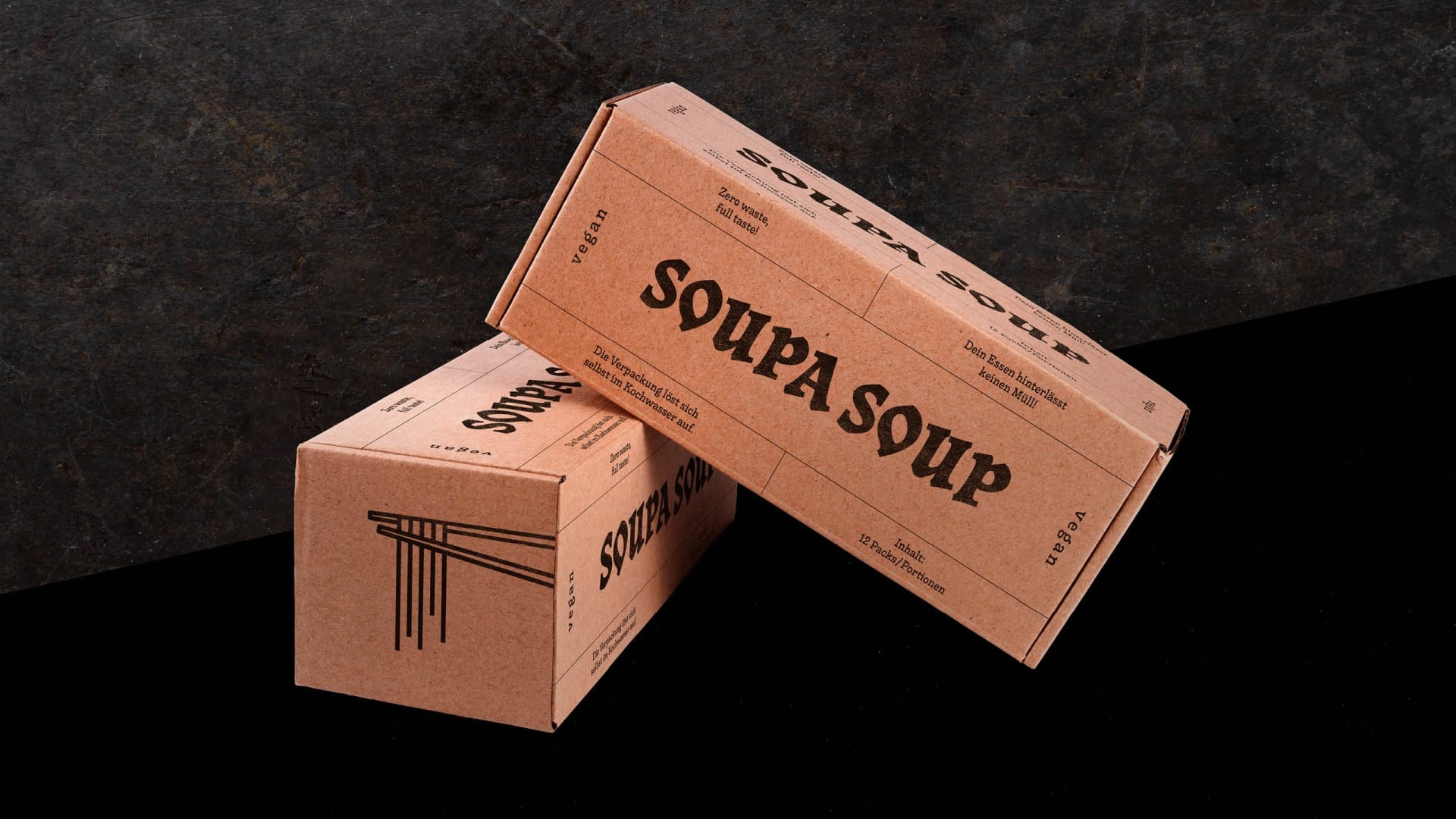
Image source: MILK.
Our conclusion: An up-and-coming solution with the potential to be a game changer, especially in the catering sector. It becomes more challenging with food that requires a long best-before date.