Spray instead of packaging
California-based startup Apeel Sciences developed an edible protective spray for fruits and vegetables derived from food scraps. This tasteless and low-calorie variant, due to its waterproof molecular structure, primarily serves to preserve the food, thus allowing protection from moisture and gases that continue the ripening process. Can ideas like this give the “unpackaged” idea a boost?
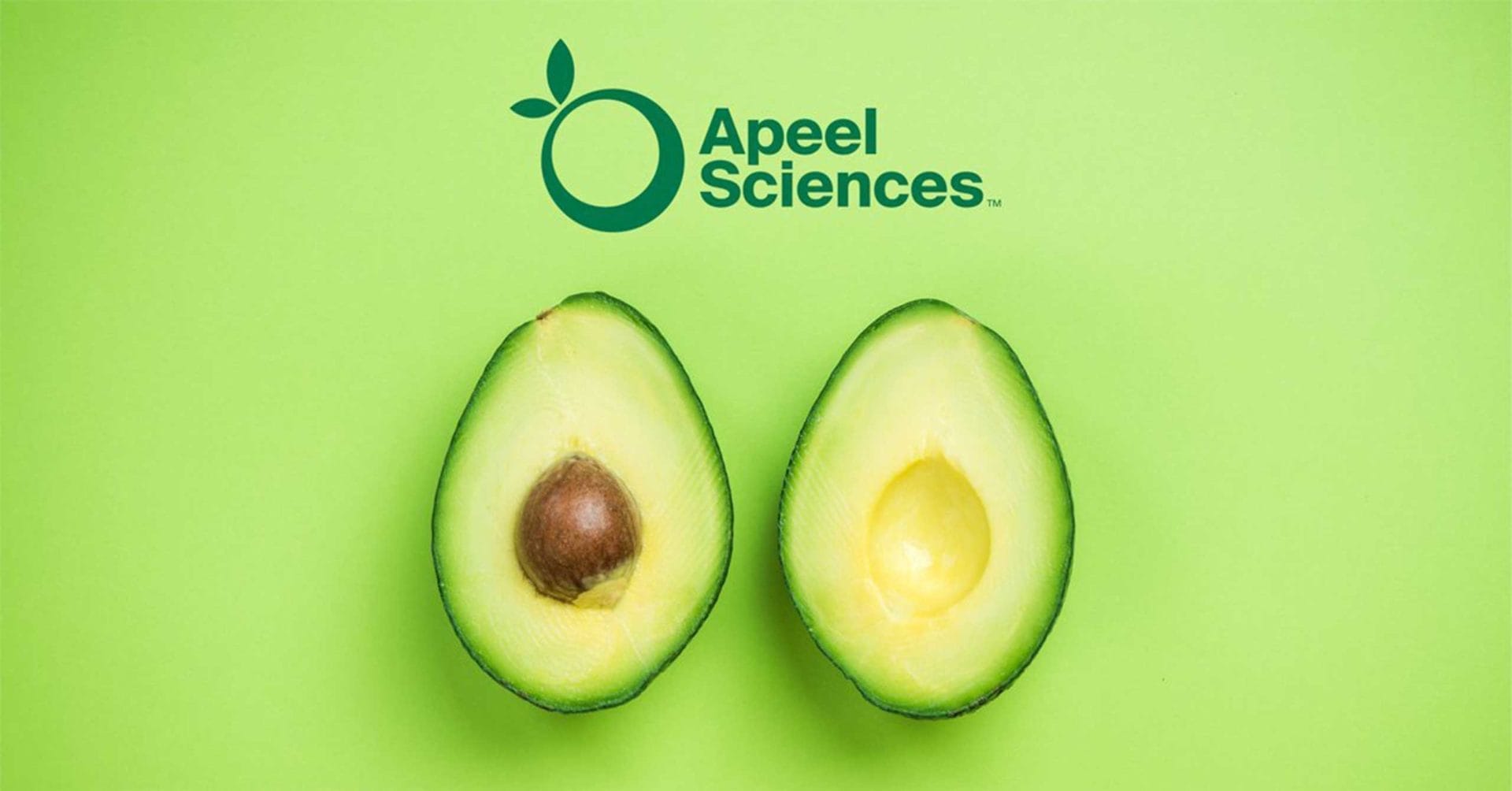
Image source: Apeel
Appel’s protective spray consists primarily of mono- and diglycerides (E 471) of fatty acids, which are odorless, tasteless and insoluble in water. These lipids from the stems and skins of the food residues are intended to help improve the quality of the sprayed food and extend its shelf life. Since reduced cooling is required during the transport of goods thanks to the protective spray, a reduction in the carbon footprint can also be achieved.
While coatings for fruit and vegetables have been commonplace in the USA for some time, German companies have only been testing the concept since 2020. The Rewe Group is working together with the British manufacturer AgriCoat NatureSeal. Their solution is based on fructose (E 473). This protective layer is also said to be edible and absolutely harmless to health.
In the EU, beeswax (E901), carnauba wax (E 903) and shellac (E 904) are also permitted as food coatings – but not for organic products. The protective layers are also currently mostly used for foods that are sold unpackaged anyway and are peeled before consumption.
Whether with or without protective spray, the topic of “unpackaged” has become less important in recent years. Christine Holzmann, from Unverpackt e.V. – Association of Unpackaged Shops, sums up the current trend: “There are currently 222 unpackaged stores across Germany. This number is far smaller than it was in our heyday. Most of the stores opened in 2019 and 2020, so that by the end of 2020 we could look back on a total of over 330 stores.” The main reasons for this are food prices, which have risen even further thanks to inflation and make shopping at discount stores significantly more expensive. Consumers are currently more interested in uncomplicated and affordable shopping than climate protection and waste reduction.
Our conclusion: The spray is a good approach to extending the shelf life of food and protecting quality. However, it lacks the mechanical product protection required to completely replace primary packaging. The concept of “unpackaged” will continue to have a hard time in times of polycrisis, but we are looking forward to further developments.
Best Practice: APEEL