Permanent packaging with re-fill offers.
What never really caught on “yesterday” could become an important pillar in the avoidance of packaging material “tomorrow”: the concept of refillable bags. This trend thrives on an e-food market that enables subscription models for reordering products.
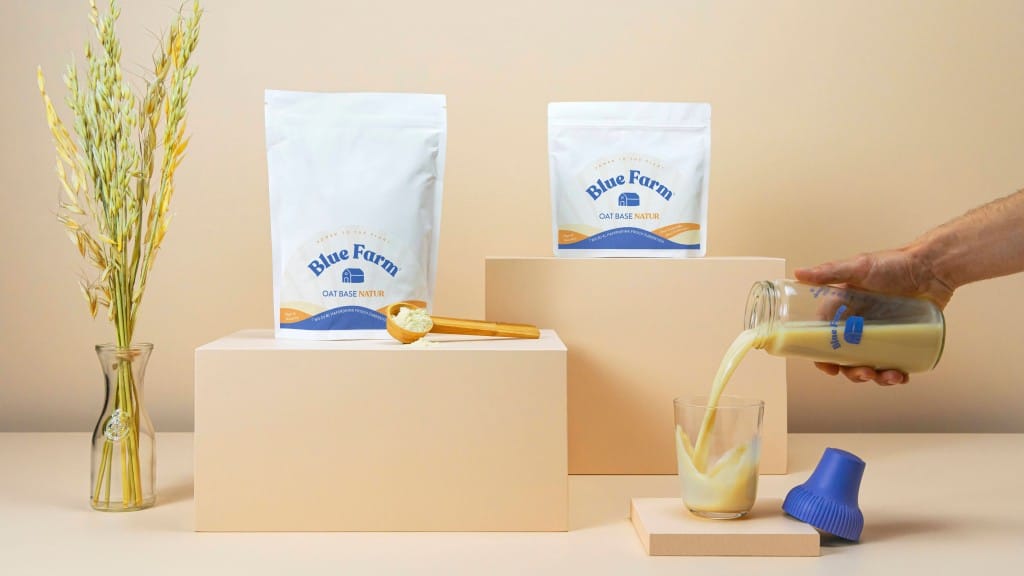
What was still considered a cumbersome eco-friendly alternative “yesterday” has now become one of the most important pillars of sustainable food packaging innovation: the refill concept. Whether it’s powder, concentrate, or dry goods—this trend thrives on a dynamic e-food landscape and smart subscription models that make the circular economy accessible and conveniently integrated into everyday kitchen life.
Companies to watch:
When the oat milk powder, organic coffee, or spice blend arrives in a compact refill pouch with your next subscription delivery, it not only saves space in your pantry but also drastically reduces your carbon footprint thanks to the reduced packaging and shipping weight. The predictability of your purchases makes life easier. The combination of permanent packaging (high-quality storage containers and dispensers) and smart inventory management allows for increasingly accurate consumption forecasts.
Successful brands in the food and beverage sector demonstrate that refill concepts in the food industry have long since made the leap from the “zero-waste” niche to the scaled mass market: In the plant-based milk alternatives segment, Blue Farm demonstrates how oat milk powder in flat pouches reduces waste and eliminates the need to transport water. In the spices and ingredients segment, brands like Ankerkraut demonstrate how a single-use can becomes a design object that can be refilled again and again with lightweight pouches. Bulk packages, such as those from Koro, also encourage consumers to use reusable containers for storage at home and to repurchase less frequently.
The contrast between the aesthetic “showcase packaging” on the kitchen counter or shelf and the functional, lightweight refill pouch made of recyclable monomaterial is appealing. Consumers are particularly receptive to this model in their daily lives when appearance, freshness preservation, and ease of use come together seamlessly. The general public still mostly opts for single-use products out of convenience, but the rise of e-commerce for food products could further drive the shift toward reusable options.