True recycling loops for plastic food packaging.
The current legal situation could lead to an EU approval in the near future for post-consumer recycled (PCR) materials made from PE and PP for direct food contact. That would be the necessary step to ensure that optimized sausage packaging, such as the example shown here, could finally be used for sausage packaging again. Thanks to the upcoming Packaging and Packaging Waste Regulation (PPWR), we are finally approaching the era of a true circular economy for plastics.
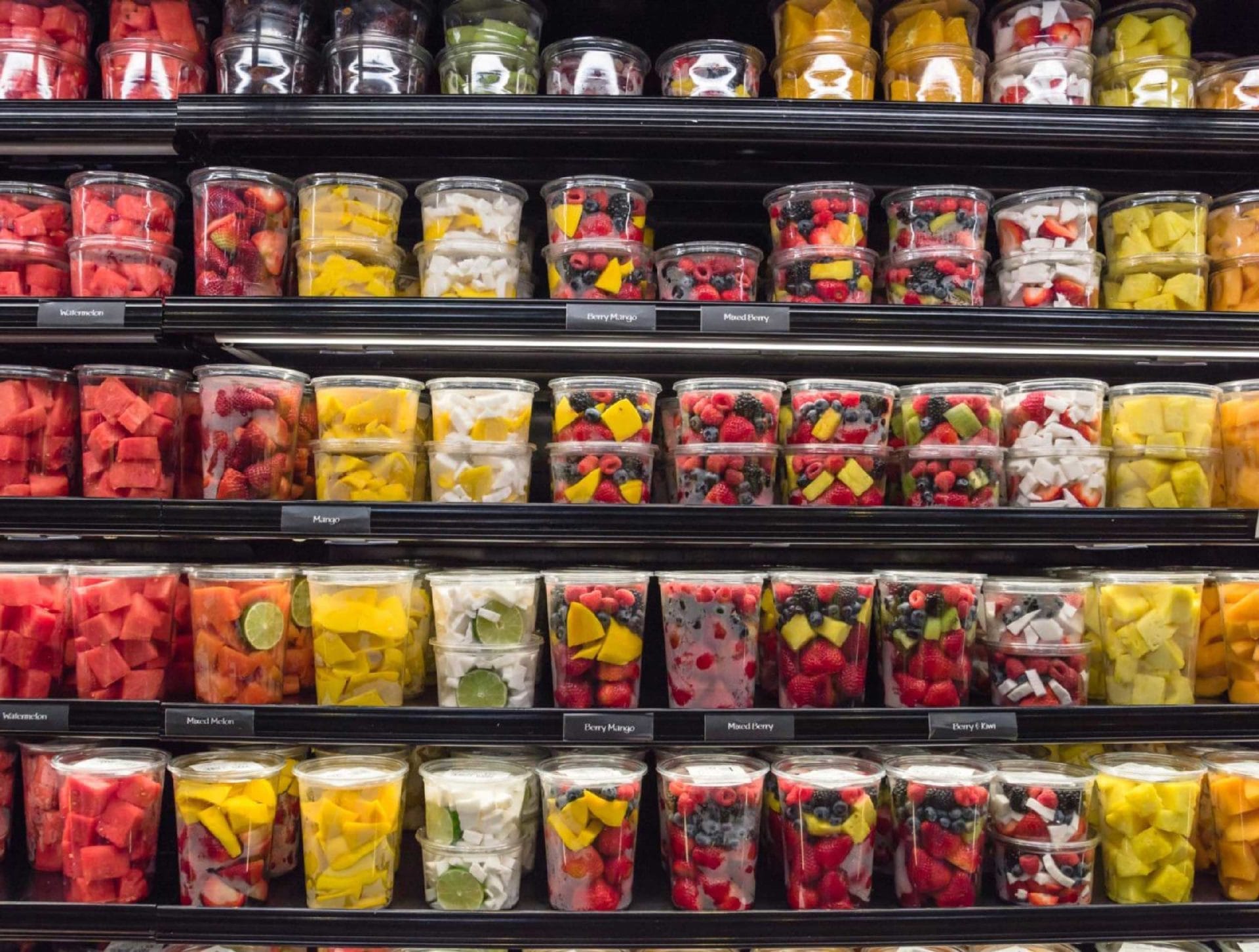
With the adoption of the European Packaging Regulation (PPWR), the transformation of the packaging industry has been set in stone. Recycled materials, particularly post-consumer recycled (PCR) materials, are evolving from a sustainable option to a legal standard. The regulation takes a pragmatic approach to the term “PCR”: “Post-consumer” refers to any plastic waste generated after commercial, institutional, or private use, including commercially used transport and retail packaging.
Companies to watch:
The law requires that, starting in 2030, all plastic packaging must contain a minimum percentage of PCR. The targets vary depending on the material and application: For contact-sensitive packaging, such as food packaging, the requirement for non-PET plastics is 10 percent, while for contact-sensitive PET and single-use beverage bottles, the requirement is as high as 30 percent. These percentages will continue to rise through 2040, depending on the category.
The requirements for contact-sensitive packaging are currently the subject of intense discussion within the industry. The biggest challenge for manufacturers and developers will be securing sufficient quantities of high-quality, food-safe material for their products. While established recycling loops exist for PET, the availability of compliant recycled materials made from polyolefins such as PP and PE is severely limited. The existing high-end fractions are already highly competitive. Forward-thinking packaging manufacturers, such as the companies on the watchlist, are already working on solutions for brands. They are relying on recycled materials from both mechanical and chemical processes. Although the latter is energy-intensive to produce, it does not compromise on quality compared to virgin material.
In addition, one must expect aesthetic changes such as cloudiness or slight variations in color. To counteract these visual and quality-related bottlenecks, the value chain must increase investment in modern sorting and decontamination technologies, ensure efficient collection systems, and consistently develop packaging in accordance with the principles of Design for Recycling.