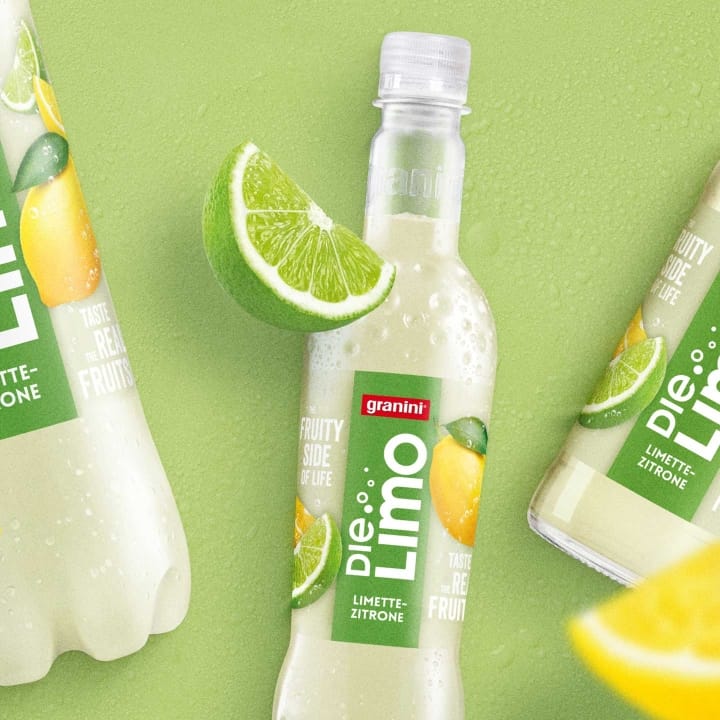
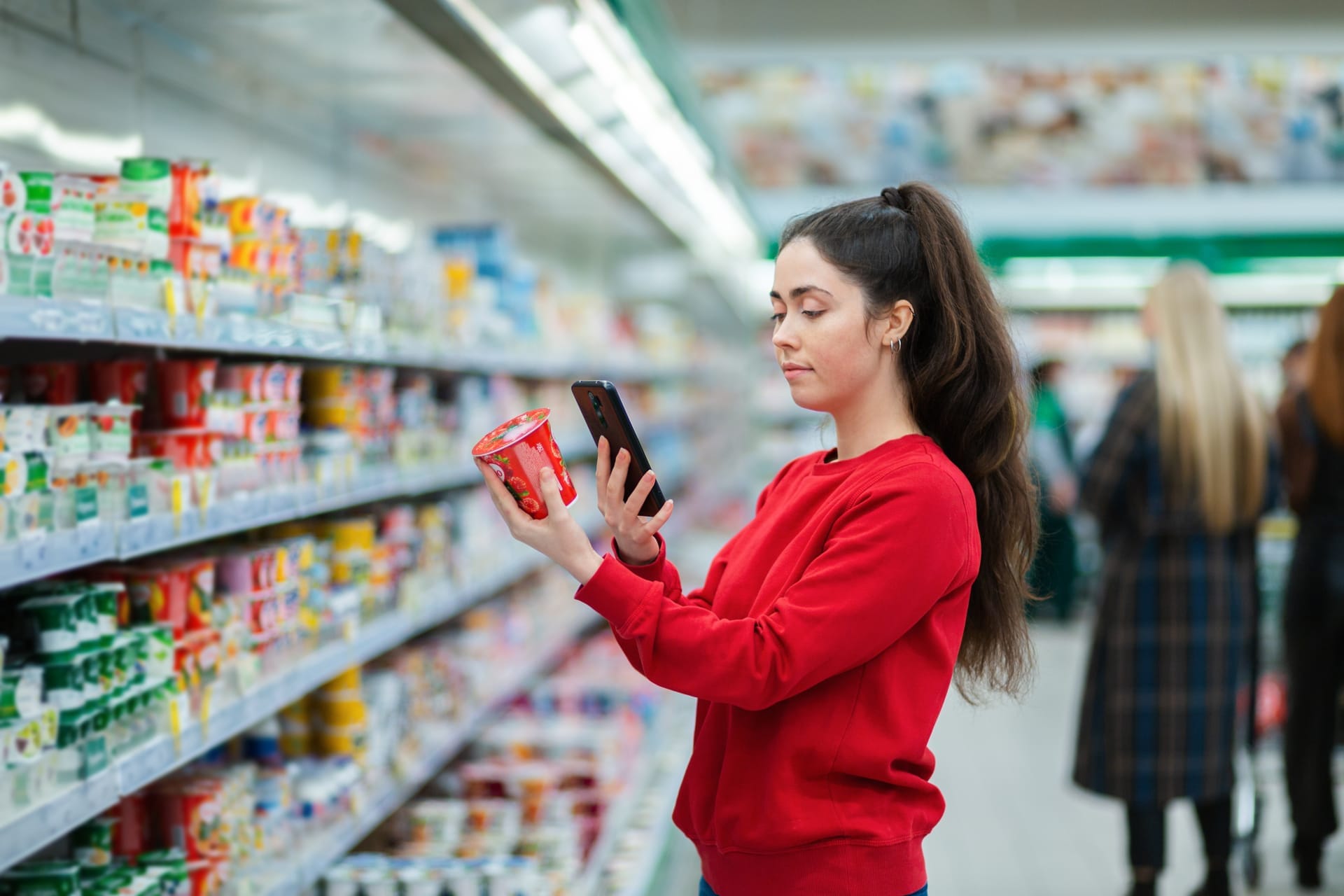
Packaging that understands the rules and convinces on the shelf.
Food packaging must comply with EU and national regulations – for example on food safety, labeling, traceability and recyclability. These include the EU Packaging Regulation, the Food Information Regulation (FIR) and the German Packaging Act (VerpackG).
Food-safe materials do not release any harmful substances into the product. They are tested and certified in accordance with clearly defined EU regulations. This ensures that the contents remain hygienically, tastily and chemically unchanged.
At MILK., we advise brands on strategy and design – from safe declarations to compliance with recycling and take-back obligations. We work closely with experts to make packaging marketable and compliant.
New EU regulations such as the Packaging and Packaging Waste Regulation (PPWR) are significantly changing the scope for creative freedom in packaging design. At MILK., we help brands to reconcile creative freedom and regulatory requirements.
We check materials, recyclability, labeling requirements and recycled content – and develop designs that remain legally compliant, marketable and strong in terms of design.
We take a holistic approach to packaging – from the POS to the warehouse. This means efficient pack sizes, clear barcode structures, legally compliant declarations and sustainable materials that meet retail requirements. This is how we ensure smooth processes between brand, production and retail.
E-commerce packaging for food must consider both product protection and customer experience:
Protection & stability
-
Packaging must survive shipping undamaged: impact-resistant, leak-proof and temperature-resistant, if necessary.
-
Materials should be light, stable and recyclable to minimize shipping costs and environmental impact.
Functionality & handling
-
Easy opening, resealing and stacking make handling easier for customers.
-
Shipping-optimized formats reduce voids and secure products in the carton.
Brand and shopping experience
-
The design should highlight the brand in the online store and create a positive unboxing experience.
-
Clearly recognizable information, QR codes or digital touchpoints can promote transparency and interaction.
Sustainability & communication
-
Materials and references to recycling or reuse strengthen consumer confidence.
The result is packaging that is practical, safe and brand-compliant, while at the same time positively supporting the e-commerce experience.
Shelf codes control the placement, pricing and labeling of products in all three countries, but differ in details:
Germany
-
Strict specifications for barcode standards, EAN codes and price labeling.
-
POS materials and promotions often have to be coordinated centrally.
Austria
-
Similar to Germany, but often more flexible requirements for POS displays and shelf placement for smaller retail chains.
-
Local customization of price tags and promotional labels common.
Switzerland
-
Other standards for barcodes and prices (e.g. Swiss francs).
-
Shelves and assortment structures can differ greatly depending on the retail partner; adaptation to local shopper habits is crucial.
Overall, brands need to adapt packaging, labeling and POS materials to specific countries to ensure compliance and optimal shelf impact.