MarinaTex

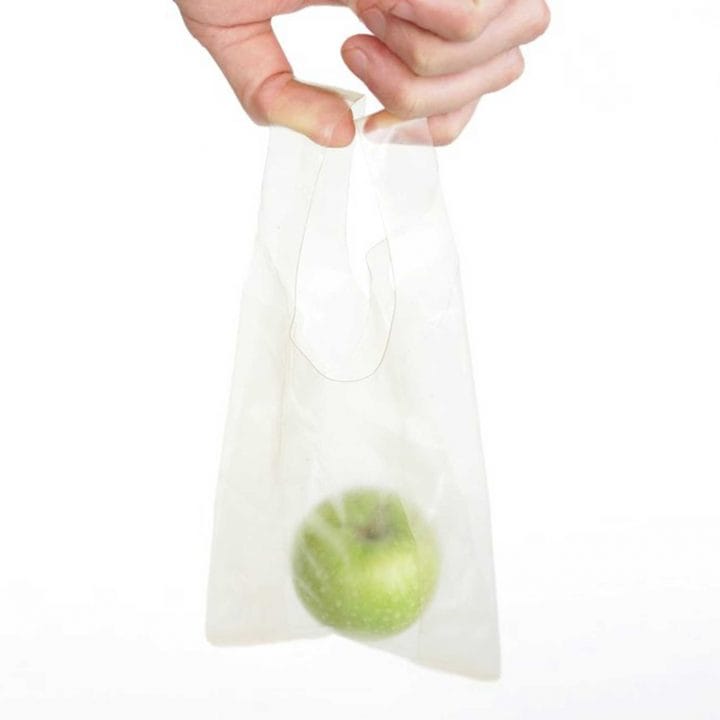
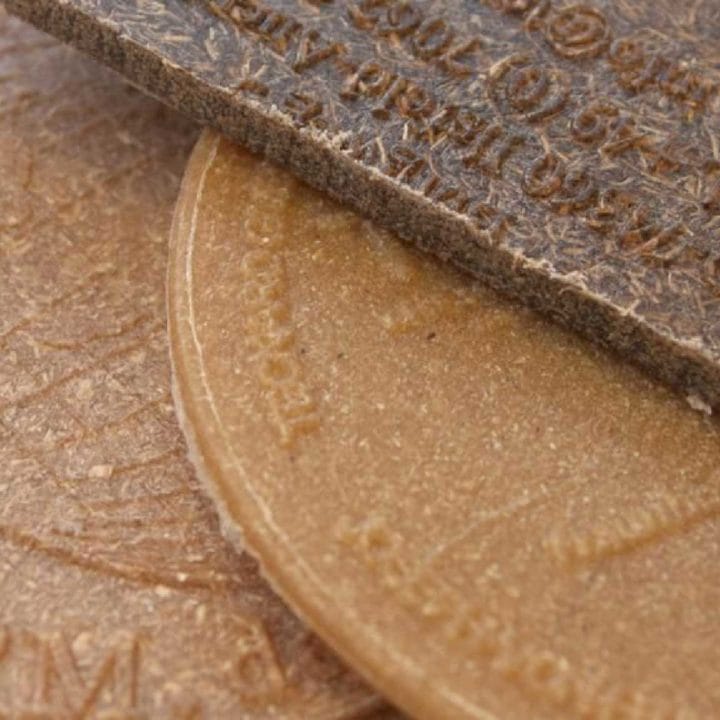
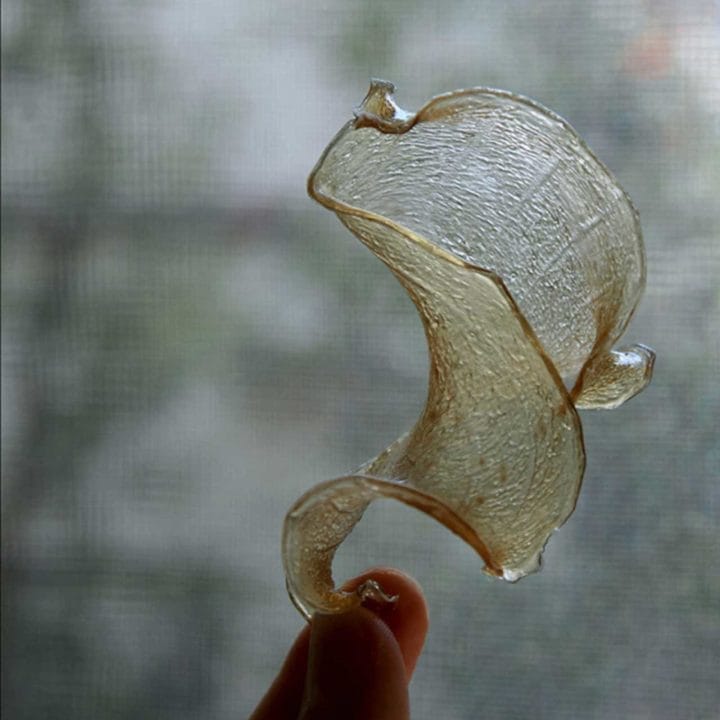
Innovative packaging substance from fish waste and red algae – Product design student Lucy Huges ‘ project at the University of Sussex involves developing a new type of packaging solution that is sustainable and biodegradable. Over 100 experiments required the material called MarinaTex, which consists of the agar of red algae and the proteins of fish waste. The natural raw materials of the oceans[...]

Learn more

MILK MaterialLab Marinatex Folie MILK-MaterialLab-Marinatex-Folie-2

Highlight Hemp

Luminaires from ecological remains – High Society Studio 5-piece lamp collection is produced exclusively from ecological leftovers. Materials are sourced from regional small businesses and processed using renewable energy. In the process, lights are created from hemp, tobacco, leftovers from viticulture or from hops as well as coffee residues. The Italian products are biodegradable and can easily be returned[...]

Learn more

MILK MaterialLab Highsocietystudio Leuchten MILK-MaterialLab-Highsocietystudio-Leuchten-6

Nuclée

Lamp from banana and bamboo fibers – Designer Dorian Etienne learned about a way of processing banana fiber in Hualien, a city on the east coast of Taiwan, and incorporated this method into the design of his lamps. The banana flesh is given a high strength by drying and refining and can therefore be used in many ways. Subsequent sublimation provides[...]

Learn more

MILK MaterialLab Nuclée Lampe Dorian Etienne MILK-MaterialLab-Nuclée-Lampe-Dorian-Etienne-5

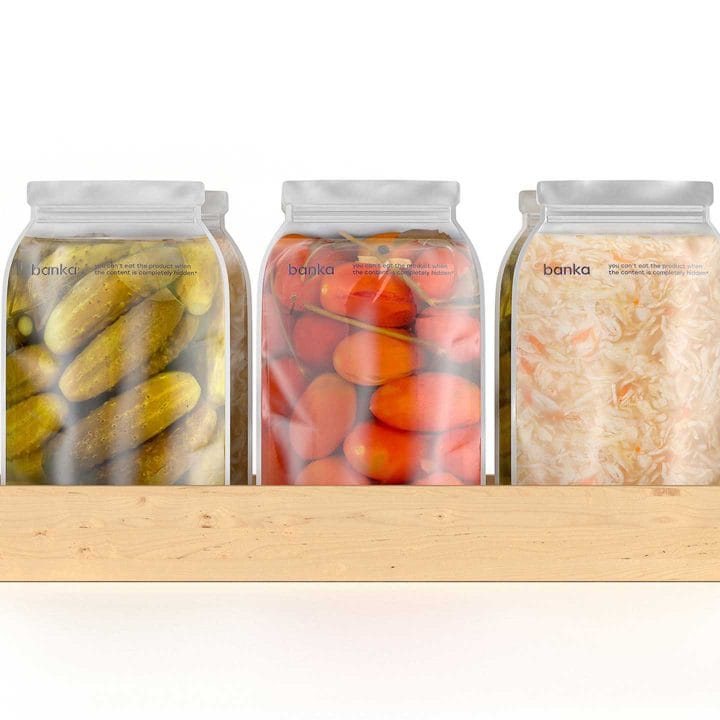
Banka

Packing with shelf life indicator – The concept by graphic designer and artist Alexander Cherkasov aims to preserve the shelf life of pickles, tomatoes or cabbage, for example, and to draw the consumer’s attention to a harmful development of the product by means of a discolored reaction surface. Once the deterioration of the food has occurred, the surface of the[...]

Learn more

MILK MaterialLab banka packaging Alexander Cherkasov

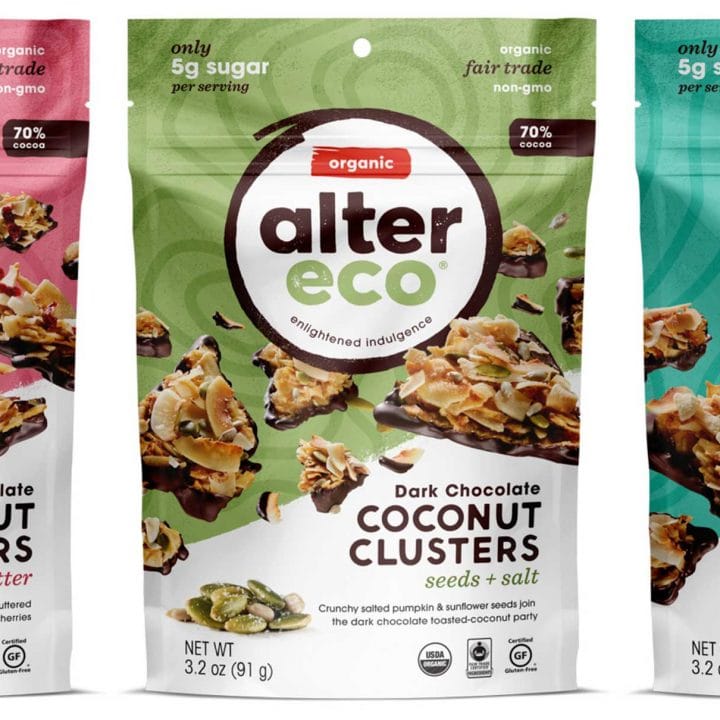
Alter Eco Foods

Compostable chocolate packaging – The aim of the American company Alter Eco Foods is to use packaging that is fully compostable in addition to Fair Trade Certified™ production of chocolate products. In order to keep the environmental impact in balance, the founders Mathieu Senard and Edouard Rollet rely on constantly evolving packaging processes. After years of development, Gone4Food[...]

Learn more

MILK MaterialLab Alterecofoods Mathieu Sonard Edouard Rollet

ARBOBLEND

Materials based on
renewable raw materials
– ARBOBLEND consists of many different bio-based materials, which together form a packaging material. Depending on the combination, ARBOBLEND consists of biopolymers such as polyhydroxyalkanoates (PHA), polycaprolactone (PCL), polyester (e.g. bio-PET), starch, polylactic acid (PLA), bio-polyolefins (bio-PE), bio-polyamides (bio-PA), lignin, natural resins, waxes, oils, natural fatty acids, cellulose, biological additives and natural reinforcing fibers. Depending[...]

Learn more
Agar Plasticity

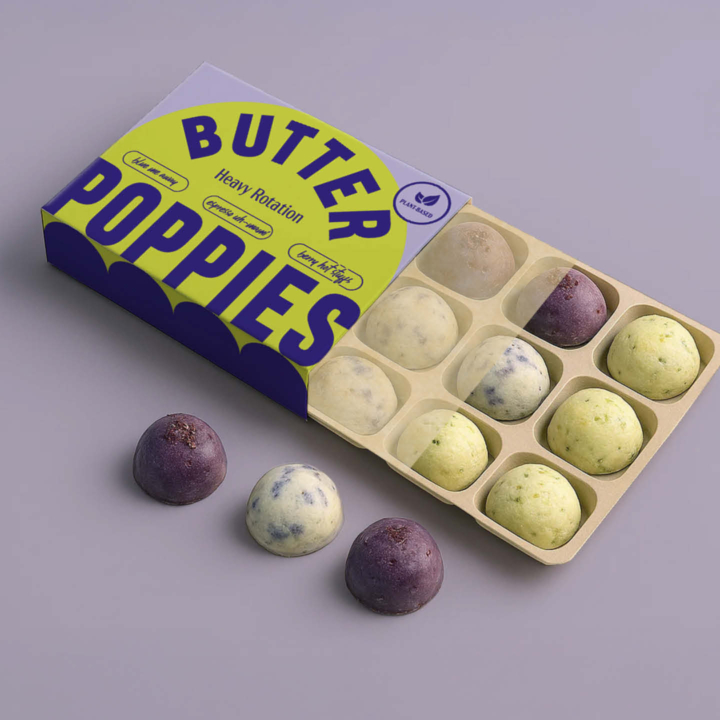
Packing based on seaweed – Agar Plasticity is a materials research project investigating agar as an alternative to synthetic plastics. Agar is a traditional Japanese foodstuff that is often used to make sweets. However, it is also used worldwide in the scientific and medical fields. It is mainly sold in its driedstate in the form of blocks, flakes and[...]

Learn more

Styrofoam decomposing mealworms

Plastic-eating organisms – While mealworms normally feed on wheat bran, biologists at Stanford University and Peking University have given them polystyrene – a form of plastic foam – instead. Mostly, this material is used for polystyrene packaging, yogurt pots or cable insulation. In a test experiment, the worms ate the material completely – approx. 40 mg per[...]

Learn more

MILK MaterialLab Mehlwürmer Frauenhofer Institut

MonoSol

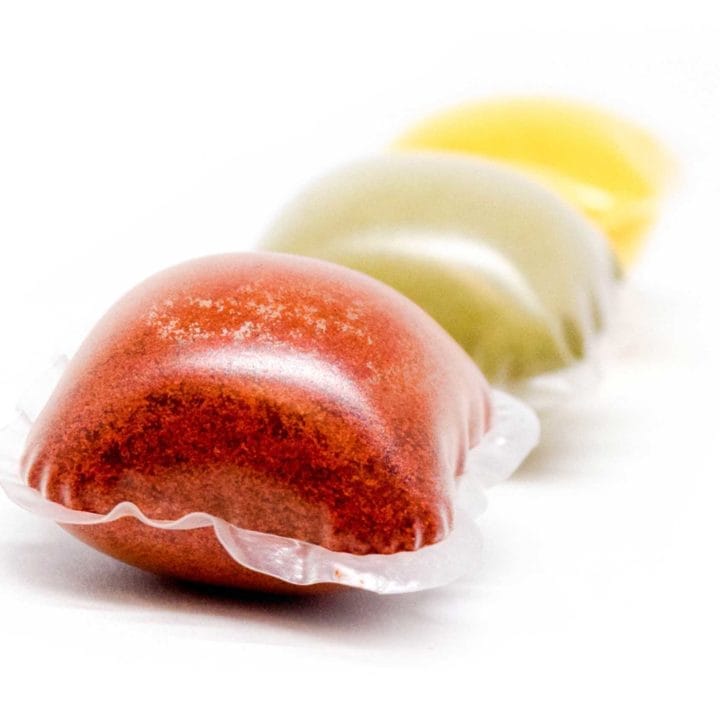
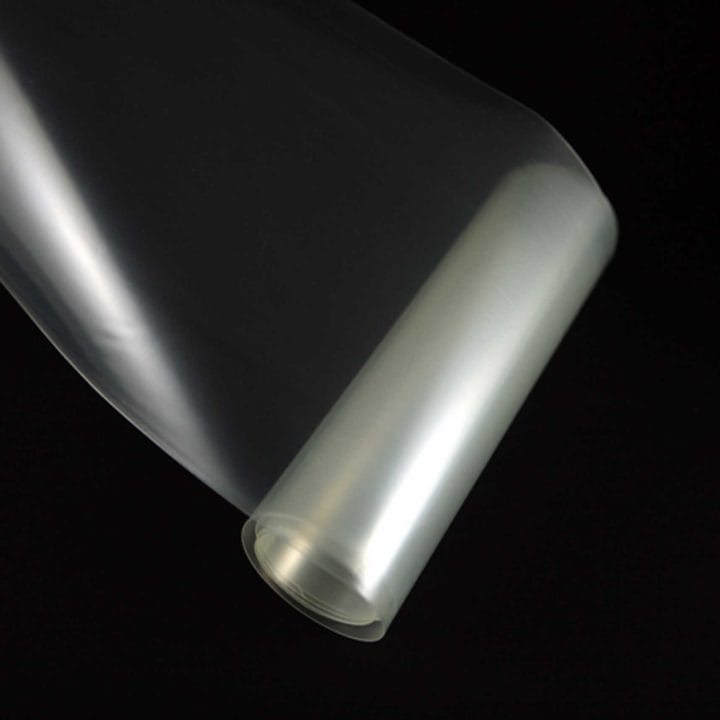
Water soluble film – The material of MonoSol, which is mainly used for the production of detergent pods, can be described as a water-soluble film. The application of the film with these pods offers on the one hand the advantage of easy dosage and on the other hand a dissolving of the film in a short time without[...]

Learn more

MILK MaterialLab MonoSol MonoSol

EcoPaXX

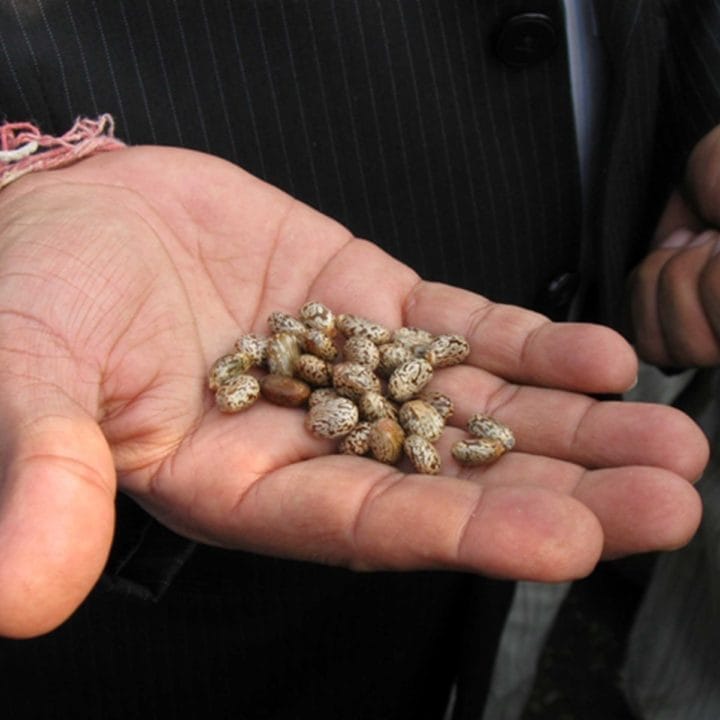
Biobased polyamide – EcoPaXX is an innovative high-performance plastic that represents a sustainable, bio-based and carbon-neutral packaging solution. Made up of 70% castor oil, the plastic offsets the amount of carbon emitted during manufacturing through the growth of the tropical castor plant. The polyamides are thus suitable in the food industry as well as in the textile[...]

Learn more

MILK MaterialLab EcoPaxx DSM Engineering Plastics

Oranges PET

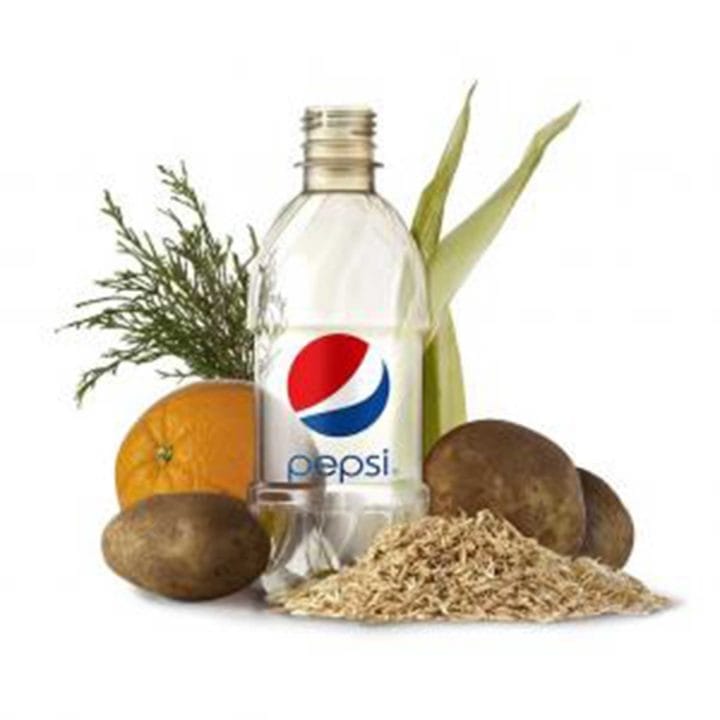
Bioplastic bottle made from orange peel – Made purely from plant-based materials, the “green” PET bottle was designed by Pepsi to offer consumers a fully recyclable alternative to traditional PET bottles. Renewable resources such as switchgrass, pine bark and orange peel serve as feedstock and enable the production of the bioplastic through a combination of chemical and biological processes. It also[...]

Learn more

MILK MaterialLab Orangen PET Pepsi

Belland material

Alkali-Soluble Plastics – Belland Technology’s water-resistant and alkali-soluble plastic is a way of sorting out the substance after it has been used. Based on a reduction of the pH value, the polymer chains can be separated by screening and filtering processes and recovered as a white powder as a result of subsequent dehydration. These processes thus allow[...]

Learn more

MILK MaterialLab Belland Material Belland