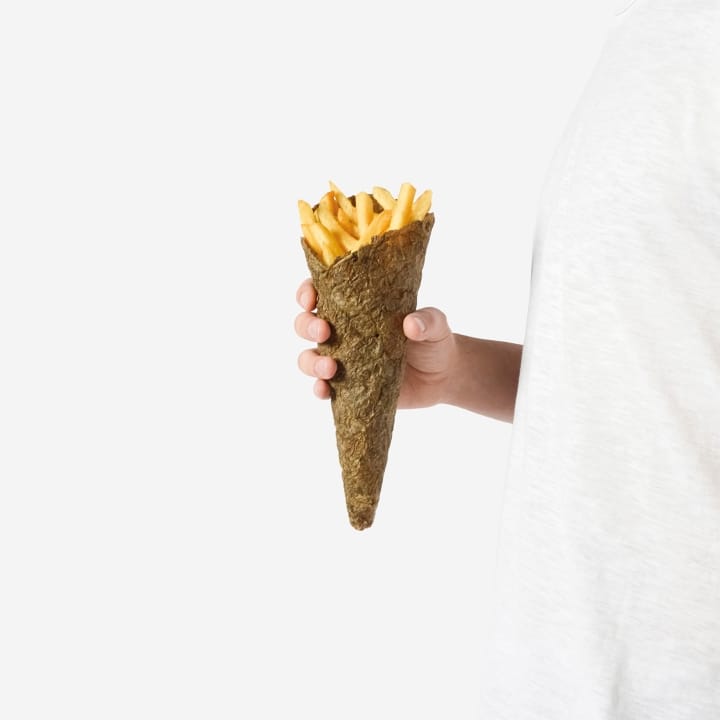
Peel Saver

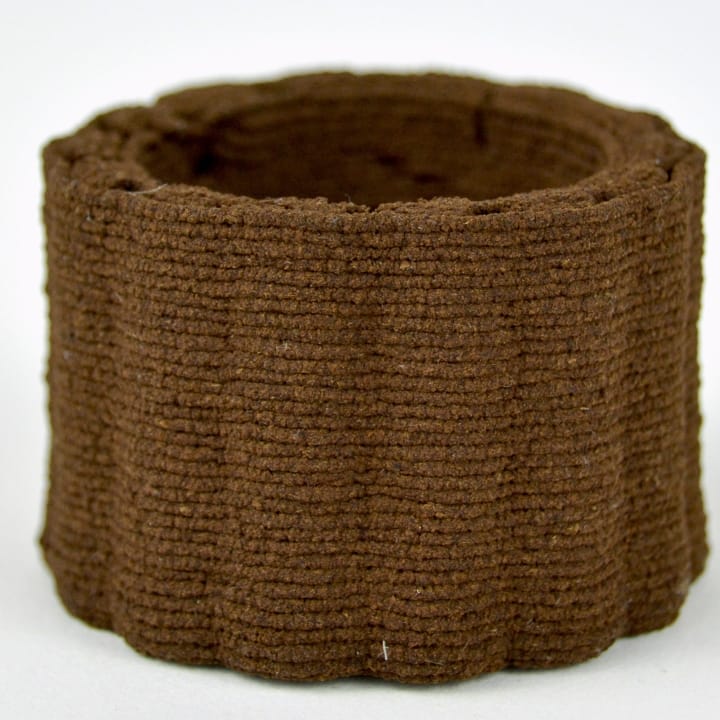
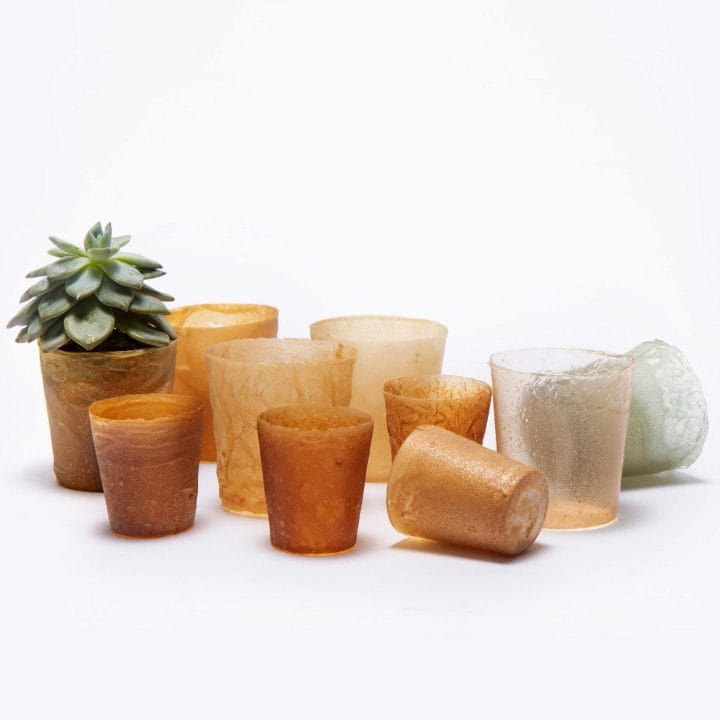
Potatoes Held by Potatoes – Paolo Stefano Gentile‘s concept revolves around employing this material for crafting street food packaging. The potato peel contains starches and fiber components, which, through maceration and natural drying, gain the capacity to bond and solidify. This resulting material is entirely derived from food production waste and is fully biodegradable. Once the packaging fulfills its[...]

Learn more

Coffee Grounds 3D Printing

Coffee Grounds as a 3D Printing Material – Millions of tons of coffee grounds are generated annually globally. With the growing interest of upcycling and reusing the bi-product, numerous innovative concepts and projects have been in research. Michael Rivera and his team have developed a process on how to recover spent coffee grounds from local coffee shops and convert them into a material[...]

Learn more

Coffee Biochar Concrete

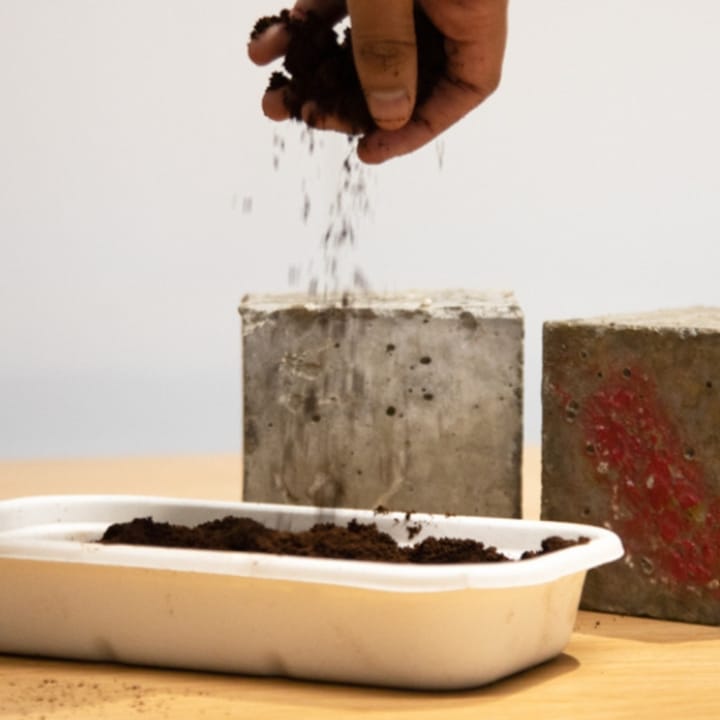
Coffee Grounds as a Concrete Foundation – The motivation behind the Australian based research was the large amount of organic waste ending up in landfills and contributing to high greenhouse gas emissions. In Australia, about 6.87 million tonnes of organic waste ends up in landfills and contributes to 3% of Australia’s greenhouse gas emissions. The research group was discussing about shifting[...]

Learn more

Zero economy meal tray

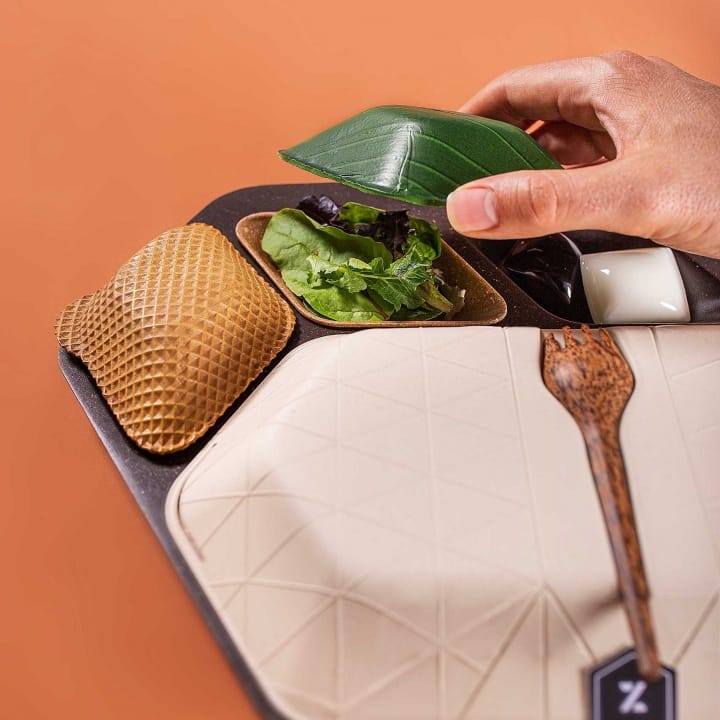
Packaging concept for flight catering – As part of the research project “Get Onboard: Reduce. Reuse. Rethink.” developed solutions for the waste generated by air travel – as much as 5.7 million tons of cabin waste per year. The results of the agency, which specializes in the transport sector, were presented in 2019. The solutions developed focus on in-flight catering.[...]

Learn more

Zero Takeaway Packaging

Takeaway concept – London-based design studio PriestmanGoode’s new concepts show how it is possible to reduce the huge amounts of plastic packaging used in takeaway food deliveries. The project is the latest in a series of concepts the studio has developed to show how design thinking can help address some of the big problems of everyday life[...]

Learn more

Chitosan Bioplastics

Material made from shrimp chitin – The biodegradable material Chitosan Bioplastics was developed as a research project by industrial designers Paul Kheem and Ronny Haberer during their studies at New York’s Pratt Institute. In order to reduce global marine pollution, they are using the chitin found in shrimp shells to develop a plastic alternative. By acetylating the biopolymer, chitosan is[...]

Learn more

MILK MaterialLab ChitosanBioplastics PaulKheem

Vivomer

Compostable bioplastics produced with microorganisms – Shellworks produces Vivomer, a sustainable bioplastic made from microorganisms found in the sea or soil. Four designers, Ed Jones, Insiya Jafferjee, Amir Afshar and Andrew Edwards from the Royal College of Art and Imperial College, have developed the nature-based monomaterial. As a bio-based polymer, the PHA is 100% vegan and free from microplastics, while[...]

Learn more
MILK MaterialLab TheShellWorks EdJones InsiyaJafferjee AmirAfshar AndrewEdwards

Gone

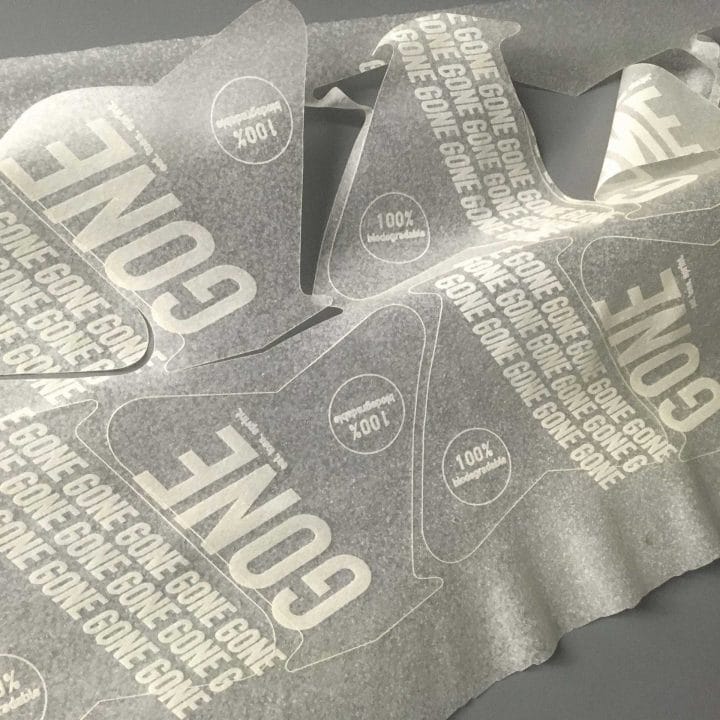
Compostable disposable packaging – Industrial designer Lizzie Wright developed the Gone concept in response to the environmental impact of sporting events. She was looking for a solution that would replace the plastic packaging of energy gels while being biodegradable. After consumption, athletes can throw Gone onto the street or into nature without contaminating it. The material, which consists[...]

Learn more

MILK MaterialLab Gone Lizzi Wright MILK-MaterialLab-Gone-Lizzi-Wright-9

LAVAZZA Cookie Cup

Cookie dough coffee cup – Italian designer Enrique Sardi has created a coffee cup for LAVAZZA that consists of a cookie dough and special powdered sugar. The edible cookie cup can be eaten after the coffee has been enjoyed and therefore produces no waste. LAVAZZA became a pioneer with this idea and has since inspired various food manufacturers to[...]

Learn more

MILK MaterialLab Enrique Sardi for LAVAZZA Cookiecup MILK-MaterialLab-Enrique-Sardi-for-LAVAZZA-Cookiecup-4

Banka

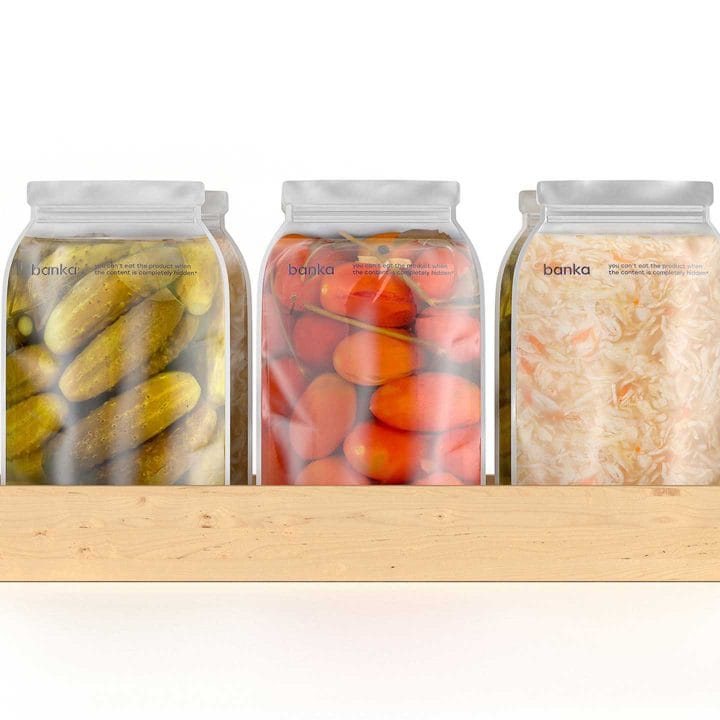
Packing with shelf life indicator – The concept by graphic designer and artist Alexander Cherkasov aims to preserve the shelf life of pickles, tomatoes or cabbage, for example, and to draw the consumer’s attention to a harmful development of the product by means of a discolored reaction surface. Once the deterioration of the food has occurred, the surface of the[...]

Learn more

MILK MaterialLab banka packaging Alexander Cherkasov

Agar Plasticity

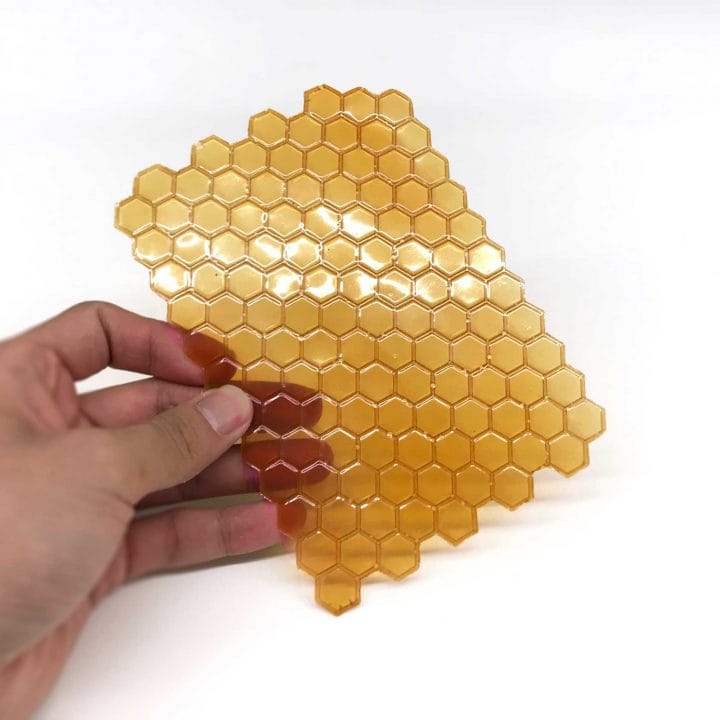
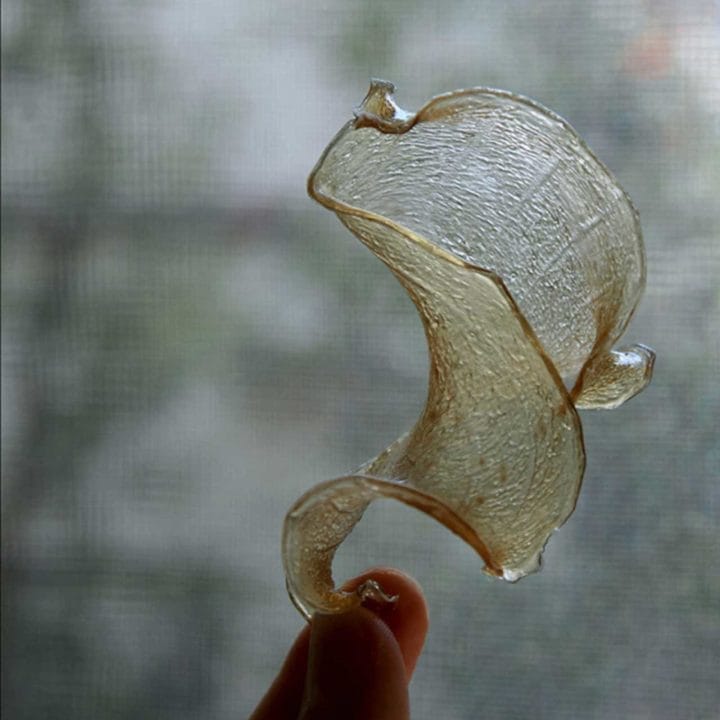
Packing based on seaweed – Agar Plasticity is a materials research project investigating agar as an alternative to synthetic plastics. Agar is a traditional Japanese foodstuff that is often used to make sweets. However, it is also used worldwide in the scientific and medical fields. It is mainly sold in its driedstate in the form of blocks, flakes and[...]

Learn more

Styrofoam decomposing mealworms

Plastic-eating organisms – While mealworms normally feed on wheat bran, biologists at Stanford University and Peking University have given them polystyrene – a form of plastic foam – instead. Mostly, this material is used for polystyrene packaging, yogurt pots or cable insulation. In a test experiment, the worms ate the material completely – approx. 40 mg per[...]

Learn more

MILK MaterialLab Mehlwürmer Frauenhofer Institut