Alter Eco Foods

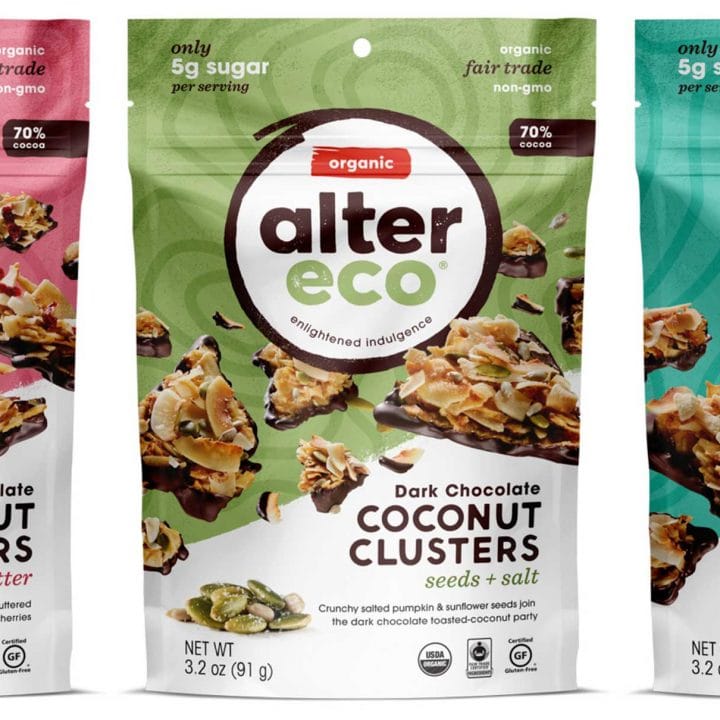
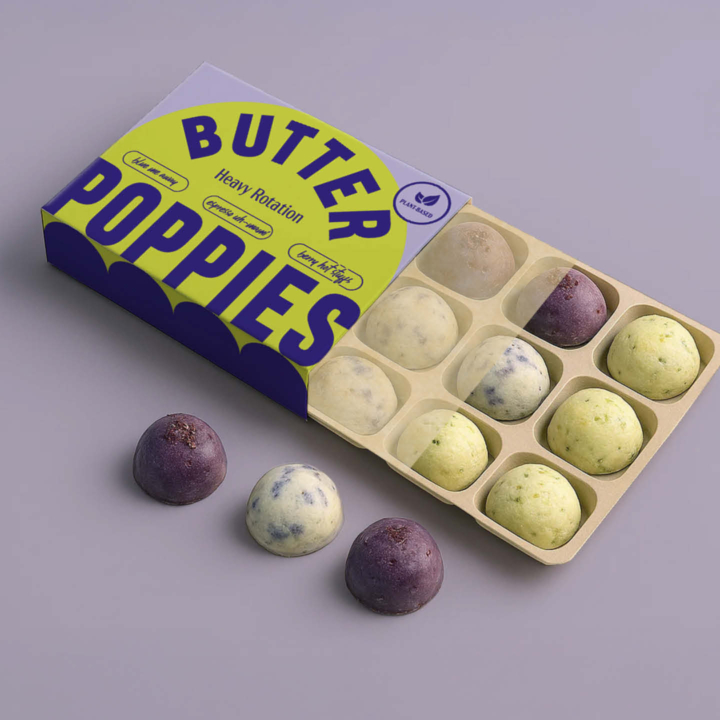
Compostable chocolate packaging – The aim of the American company Alter Eco Foods is to use packaging that is fully compostable in addition to Fair Trade Certified™ production of chocolate products. In order to keep the environmental impact in balance, the founders Mathieu Senard and Edouard Rollet rely on constantly evolving packaging processes. After years of development, Gone4Food[...]

Learn more

MILK MaterialLab Alterecofoods Mathieu Sonard Edouard Rollet

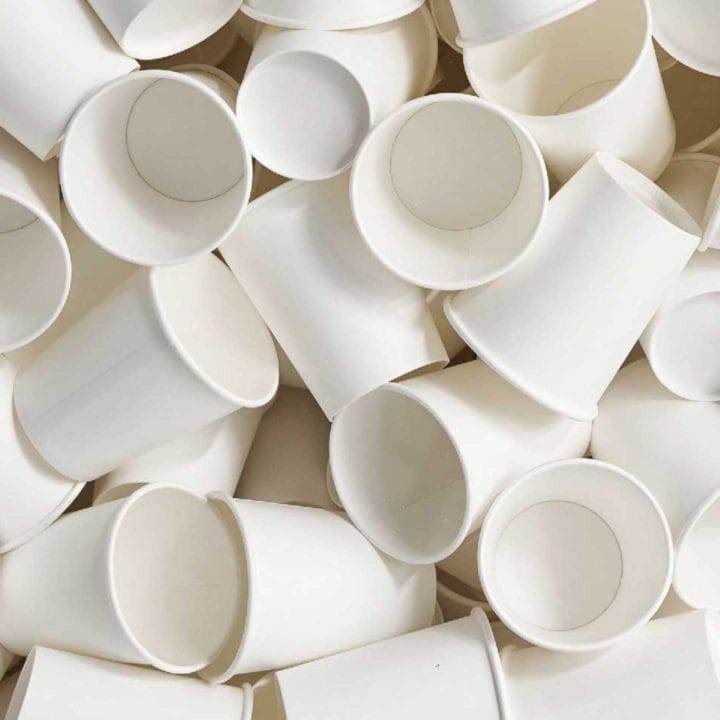
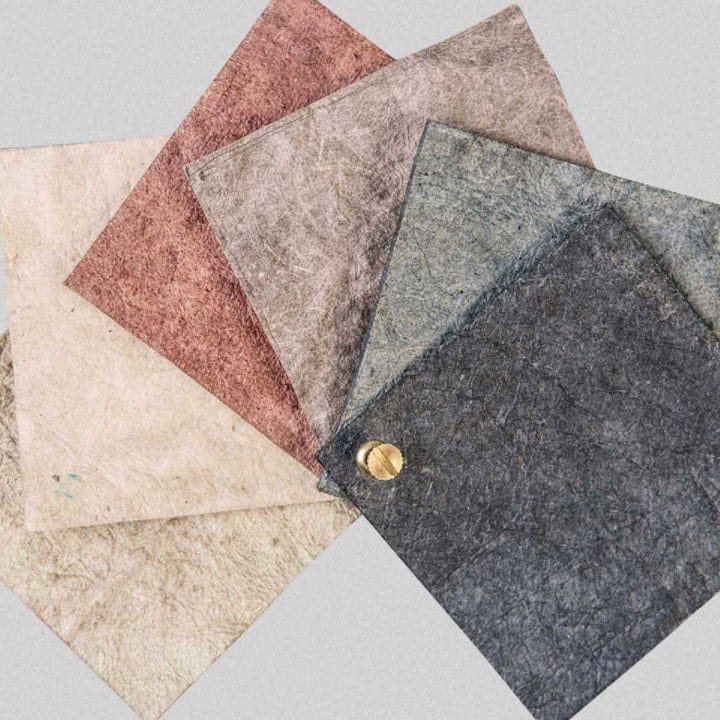
Coffee Cup Paper “Extract”

Jewelry papers from recycled coffee-to-go cups – The British company G. F Smith shows how recycled coffee-to-go cups can be turned into attractive paper with its Extract project. Used disposable coffee cups are separated into their plastic and paper components for production in order to produce FSC-certified paper in a subsequent step in collaboration with CupCycling by James Cropper. Approximately 5[...]

Learn more

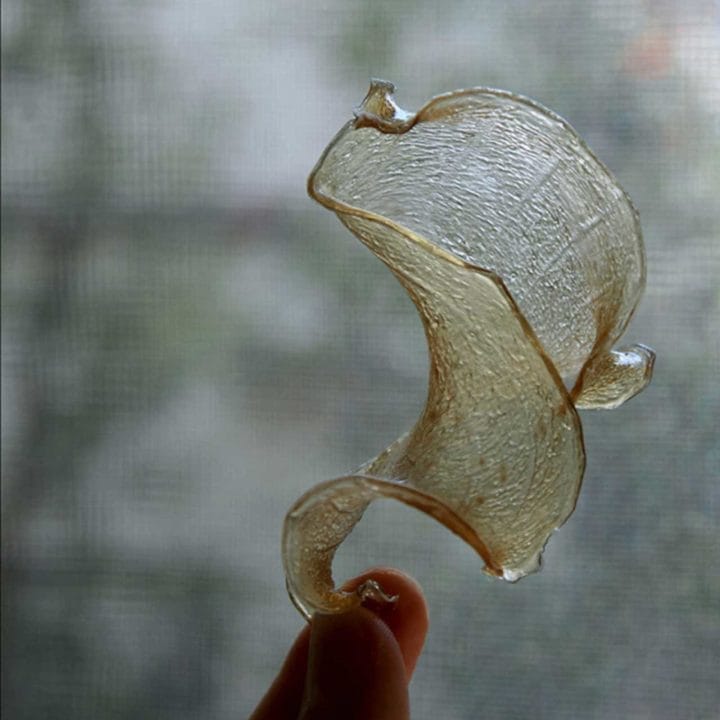
Coconut Water Leather

Leather from coconut water – To produce the biodegradable and waterproof coconut water leather, the coconut water, which is a waste product from coconut processing, is sterilized. The natural substance obtained from this serves as a nutrient for the bacterial culture in the subsequent 12 – 14 day fermentation process. Once the process is complete, the leaf cellulose jelly[...]

Learn more

ARBOBLEND

Materials based on
renewable raw materials
– ARBOBLEND consists of many different bio-based materials, which together form a packaging material. Depending on the combination, ARBOBLEND consists of biopolymers such as polyhydroxyalkanoates (PHA), polycaprolactone (PCL), polyester (e.g. bio-PET), starch, polylactic acid (PLA), bio-polyolefins (bio-PE), bio-polyamides (bio-PA), lignin, natural resins, waxes, oils, natural fatty acids, cellulose, biological additives and natural reinforcing fibers. Depending[...]

Learn more
Agar Plasticity

Packing based on seaweed – Agar Plasticity is a materials research project investigating agar as an alternative to synthetic plastics. Agar is a traditional Japanese foodstuff that is often used to make sweets. However, it is also used worldwide in the scientific and medical fields. It is mainly sold in its driedstate in the form of blocks, flakes and[...]

Learn more

naturesse

Disposable tableware
made from organic raw materials
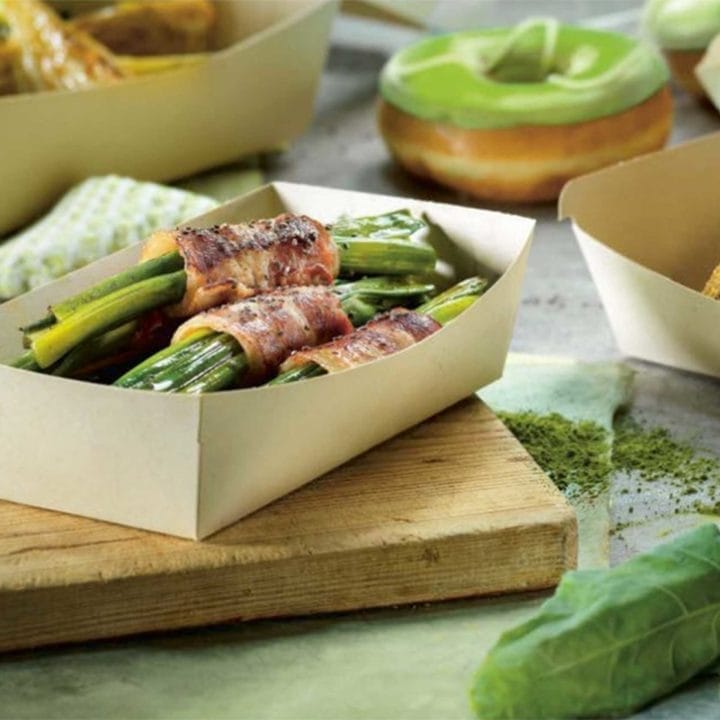
– With naturesse, Pacovis produces sustainable disposable tableware and packaging that is plastic-free and 100% biodegradable. The materials processed for naturesse are based on renewable raw materials from the agricultural industry or on rapidly renewable plant-based raw materials such as bamboo. The focus is on a sensible appreciation of fossil resources – with the intention[...]

Learn more

MILK MaterialLab Naturesse Pacovis

Oranges PET

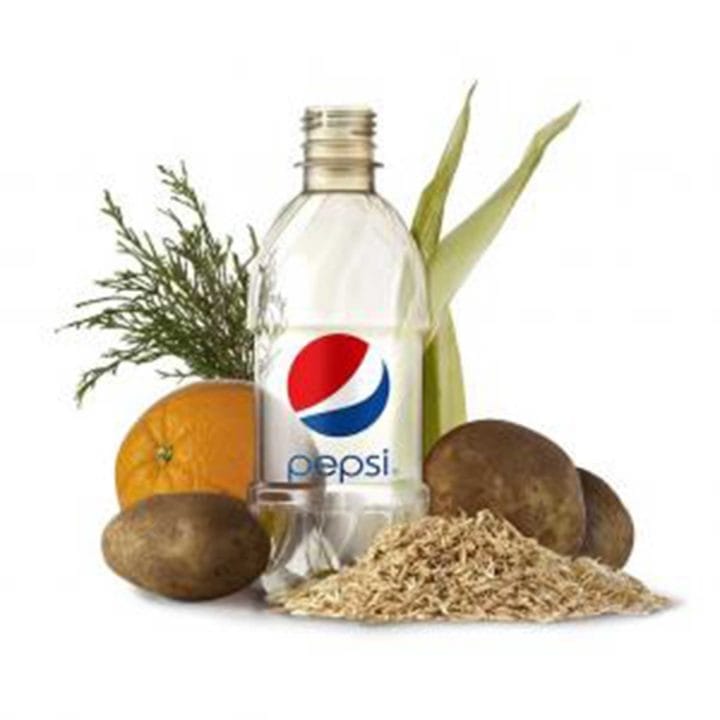
Bioplastic bottle made from orange peel – Made purely from plant-based materials, the “green” PET bottle was designed by Pepsi to offer consumers a fully recyclable alternative to traditional PET bottles. Renewable resources such as switchgrass, pine bark and orange peel serve as feedstock and enable the production of the bioplastic through a combination of chemical and biological processes. It also[...]

Learn more

MILK MaterialLab Orangen PET Pepsi

Tuesa

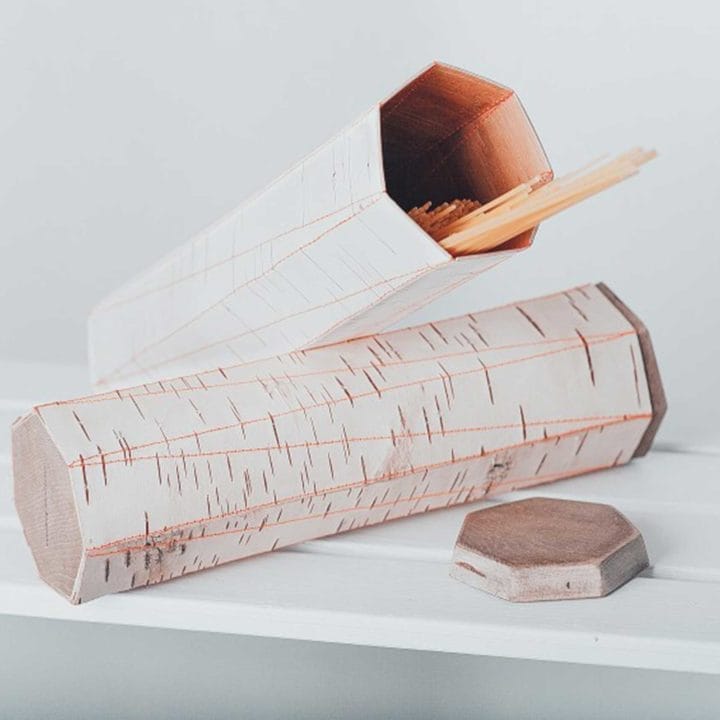
Birch bark antiseptic containers – Anastasiya Koshcheeva’s storage boxes “Tuesa” are truly unique due to the natural birch bark and regional cedar wood. The oils contained in the natural materials ensure a long freshness of the stored food. The modern design was developed and handmade in Siberia. The aesthetic and practical focus is especially on the birch bark, which[...]

Learn more

NEIGHBOR

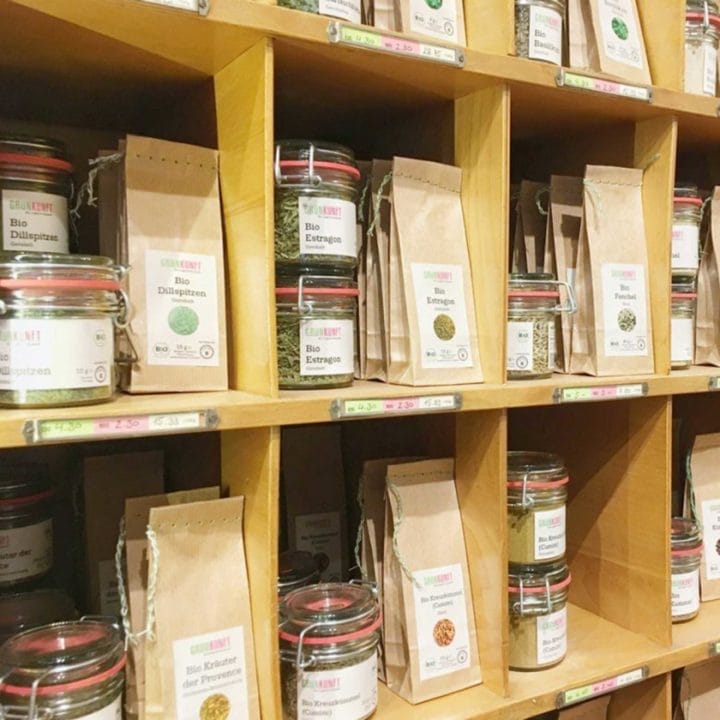
Wood cellulose compostable packaging – SUSTAINERS are 100% recyclable and fully compostable packaging solutions whose raw material is created from forestry cuttings. For material recovery, viscose (soluble) is first extracted from the pulp, which is filtered through a pouring nozzle and runs into a precipitation bath, after which a transparent film of pure regenerated cellulose is produced. The Grünkunft[...]

Learn more

Chicory plastic

Plastic from
chicory waste
– Chicory is known as a salad, less as a raw material for plastics. The root of the plant usually ends up in the composting plant. Only a fraction is used to produce biogas. Researchers at the University of Hohenheim have discovered the chicory root as a resource for obtaining hydroxymethylfurfural (HMF), one of the[...]

Learn more

MILK MaterialLab Chicorée Hochschule Hohenheim

Sulapac

Packaging
made from wood chips and biopolymers
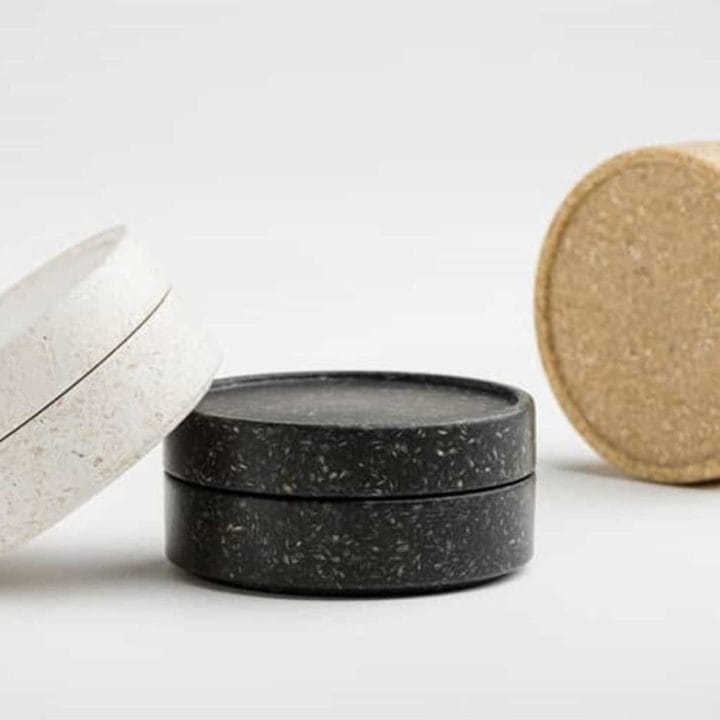
– Sulapac® biodegradable packaging is based on a mixture of wood chips and bio-polymer. The material is increasingly used in the cosmetics industry. Sulapac® is produced by means of industrial composting, which does not require the use of any water or chemicals and is therefore a particularly environmentally friendly recycling process. With this innovation, Sulapac®[...]

Learn more

MILK MaterialLab Sulapac Sulapac

Bio-Lutions

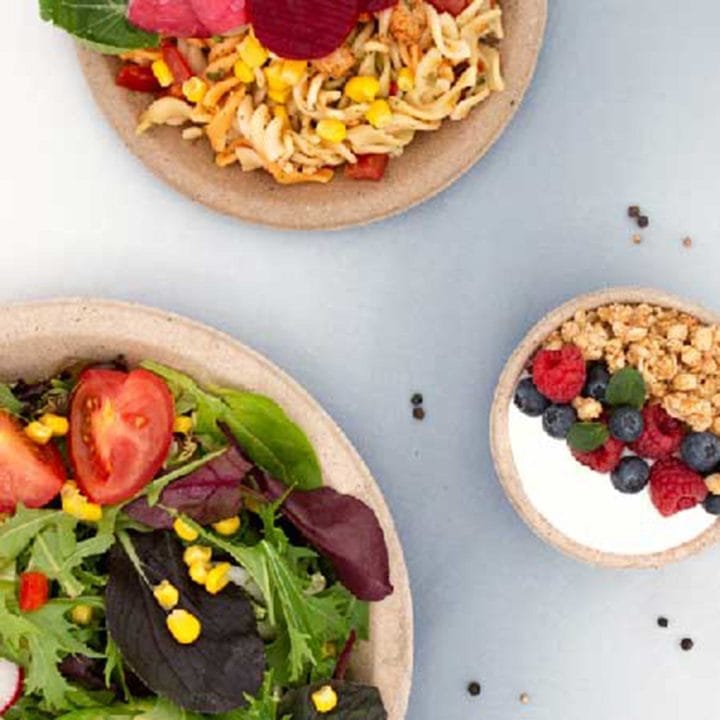
Tableware from natural fibers – Only raw materials such as banana stems, bagasse and rice straw, which cannot be consumed as food and therefore do not require land use, are used for BIO-LUTIONS products. The disposable tableware and packaging solution are manufactured using a mechanical process that eliminates pulp extractions and bleaching. Thisefficient process saves on chemicals and water.[...]

Learn more