Mak-Pak

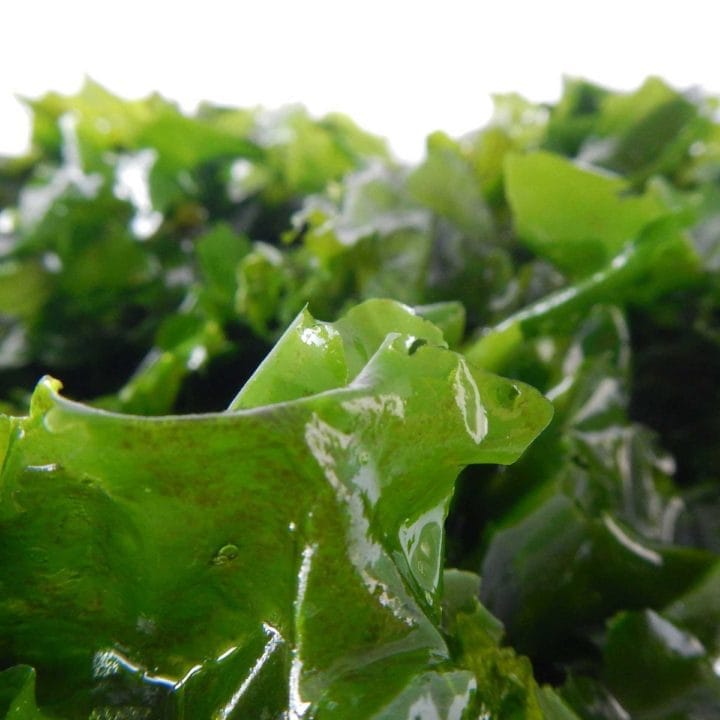
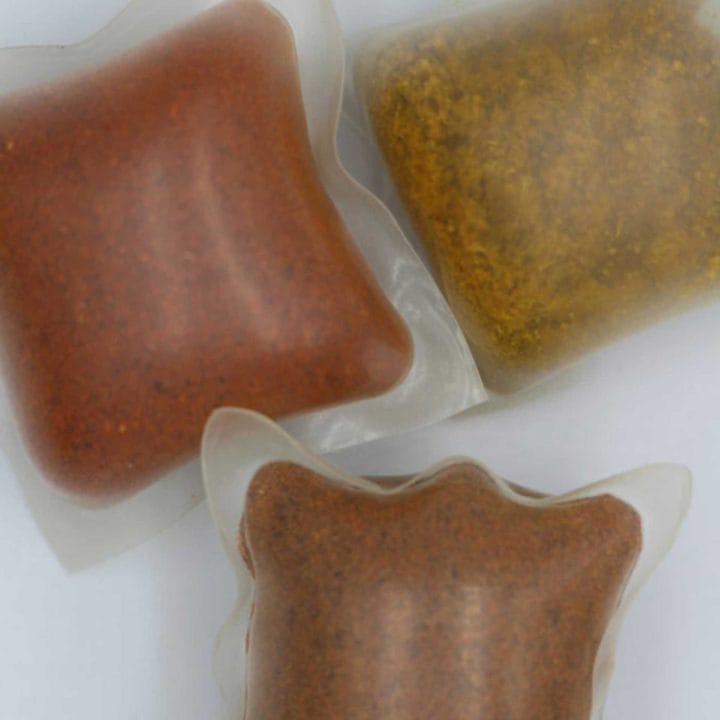
Packaging solution made from macroalgae – In collaboration with Bremerhaven University of Applied Sciences, Mak-Pak is a two-year scientific project with the aim of developing a sustainably produced, disposable and, if possible, edible packaging solution from macroalgae. The area of application is the serving of food in the out-of-home consumption as well as in the snack segment. The packaging here[...]

Learn more

MILK MaterialLab Mak Pak Nordsee

Ponto Biodesign

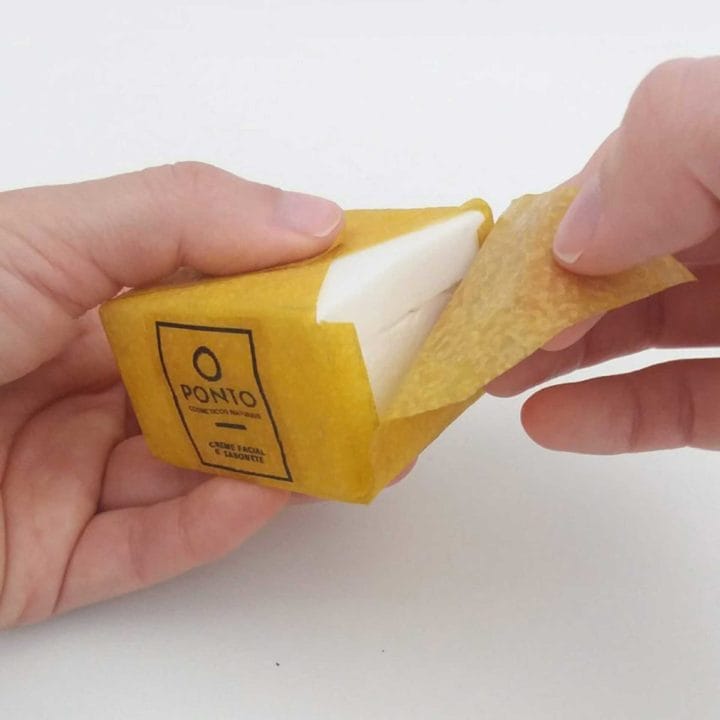
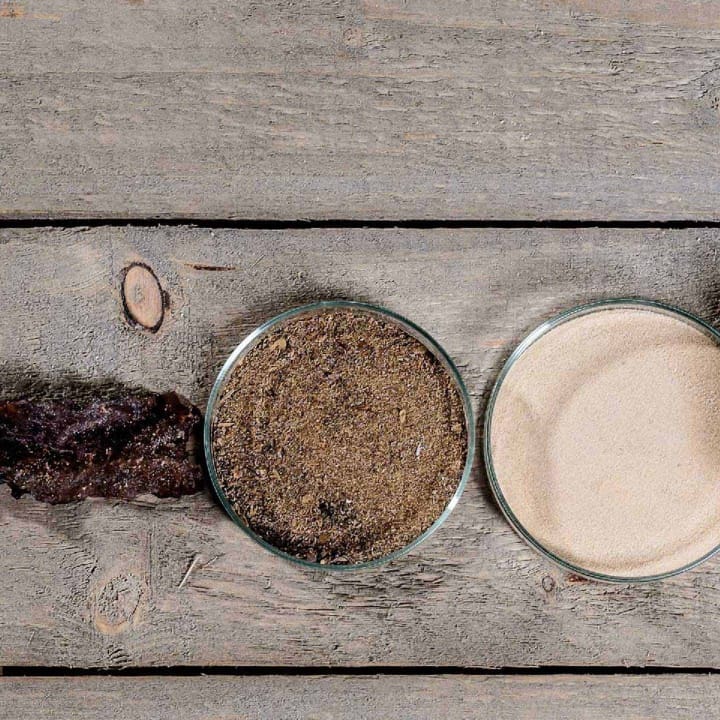
Bacterial cellulose film – Ponto Biodesign offers a sustainable alternative to plastic-based packaging materials. It is obtained from a mixture consisting of water, bacterial and yeast cultures (scoby), which – spread on a smooth surface and dried – produces a bacterial cellulose film with paper-like properties. On contact with water, the material develops an adhesive effect that can[...]

Learn more

MILK MaterialLab Ponto Biodesign Elena Amato

Lactips

Milk edible packaging film – Lactips is an edible plastic made from milk protein and produced in the form of pellets. Production is based on an industrial process that enables rapid production in large quantities. The thermoplastic, water-soluble pellets dissolve in both hot and cold water. Lactip offers barrier properties against oxygen, fats and mineral oils. It can be[...]

Learn more

MILK MaterialLab Lactips Lactips

Ooho

Edible
Sip of water
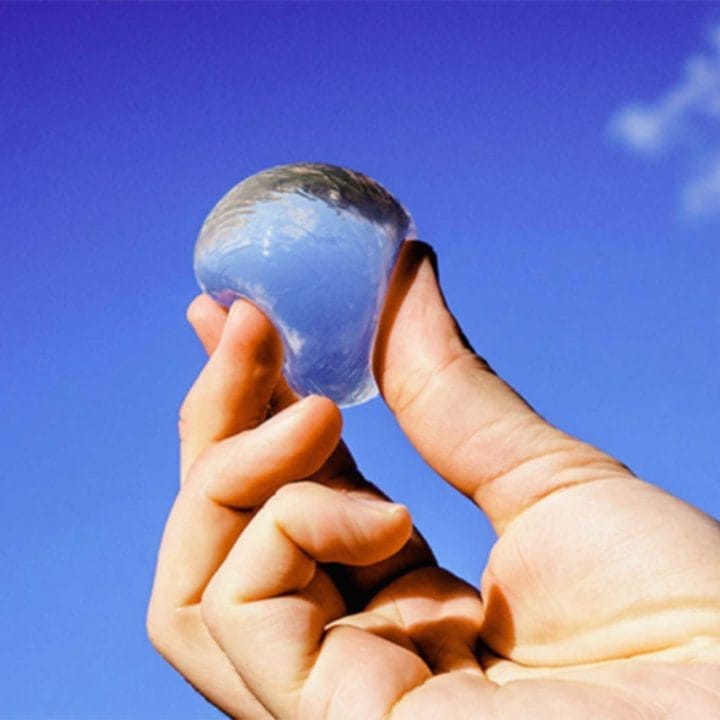
– NOTPLA’s edible packaging was described in the media as the “bottle of the future” back in 2015. With “We make packaging disappear”, the company promises to counteract packaging waste through their flexible and edible shell, thus reducing plastic use. The “unpackaged” liquids are particularly advantageous for large events and can be used in the[...]

Learn more

MILK MaterialLab OHOO Notpla

Algae Water Bottle

Bottle made from
agar-agar
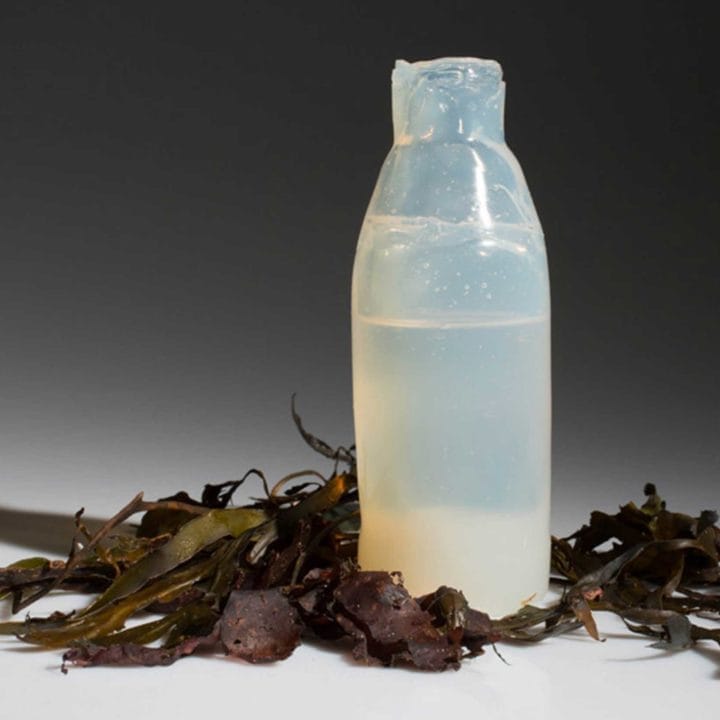
– During his studies at the Academy of Arts in Rekjavik, Ari Jonsson developed a water bottle made of agar-agar that rots within a few days of use. To do this, agar-agar is brought to the boil with water and a gelled mass is formed. This is then poured into a frozen mold. Filled with[...]

Learn more

MILK MaterialLab ager ager Ari Jonsson

AgriPlast

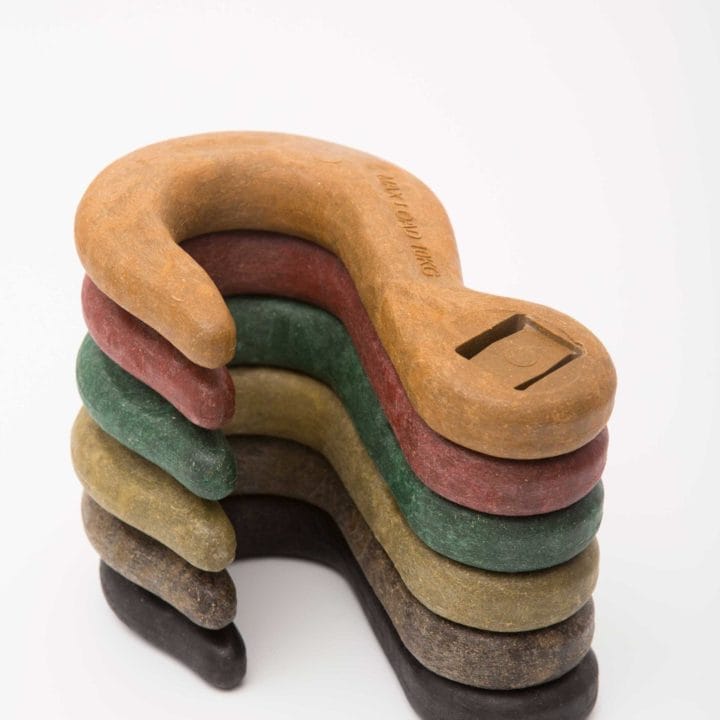
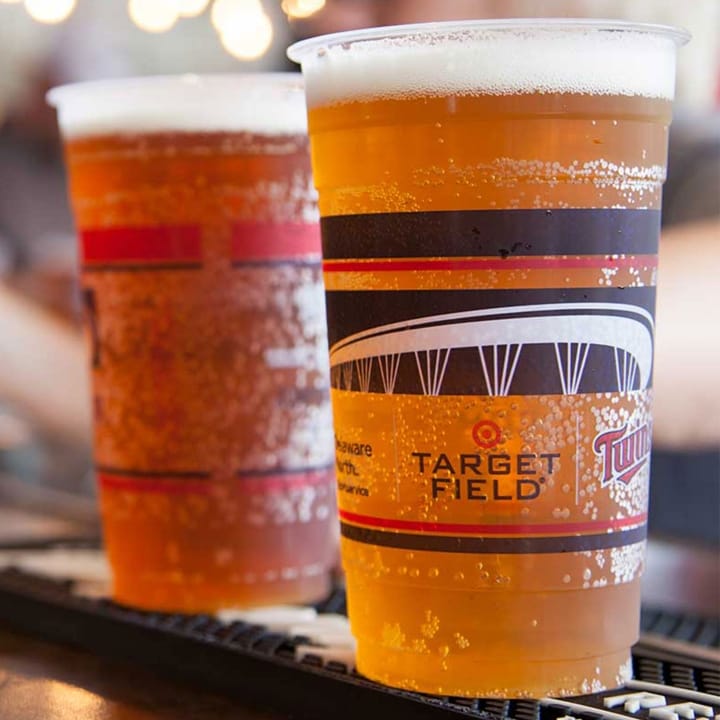
Cellulose plastic cup – AgriPlast consists of up to 75 % cellulose, which is obtained from regional meadow grass. This is embedded in a thermoplastic matrix, which can be made of recycled materials, PP, PE, PCL or biodegradable plastics. It has a finely grained, natural-looking surface and can be dyed to any color, just like plastic. The substance[...]

Learn more
MILK MaterialLab Agriplast Biowert

Plastic Roads

Road surface
made from plastic waste
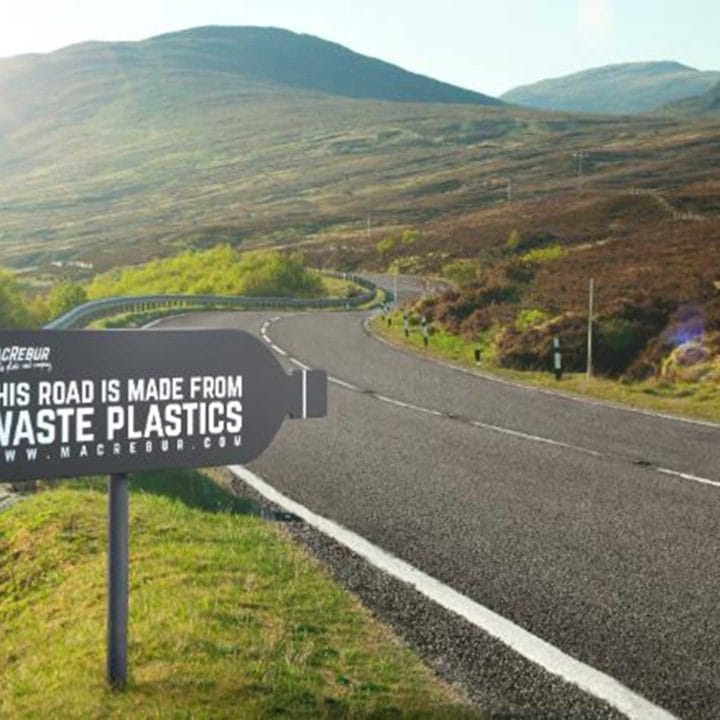
– Plastic Roads offers an environmentally friendly solution for material use in road construction. While conventional production uses asphalt in combination with environmentally harmful petroleum, Scottish engineer Toby McCartney delivers a clever alternative made primarily from plastic waste. It is interesting to note that this new road surface is 60% harder than the classic asphalt[...]

Learn more

BioFoam

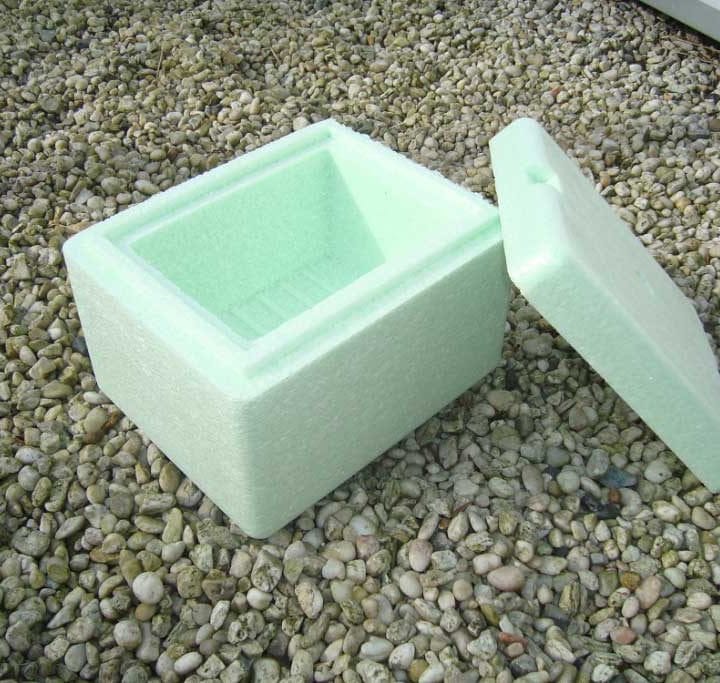
Foam made from biopolymers – BioFoam consists of biopolymers, i.e. renewable, plant-based materials such as corn starch and sugar cane. BioFoam is therefore an organic-based foam that can be recycled. The material is biodegradable and can be industrially composted at high temperatures under the influence of moisture and bacteria. BioFoam for long-term use. Product name: BioFoamManufacturer: BEWIProject status: Concept[...]

Learn more

MILK MaterialLab BioFoam Symbra Technology

Smile Plastics

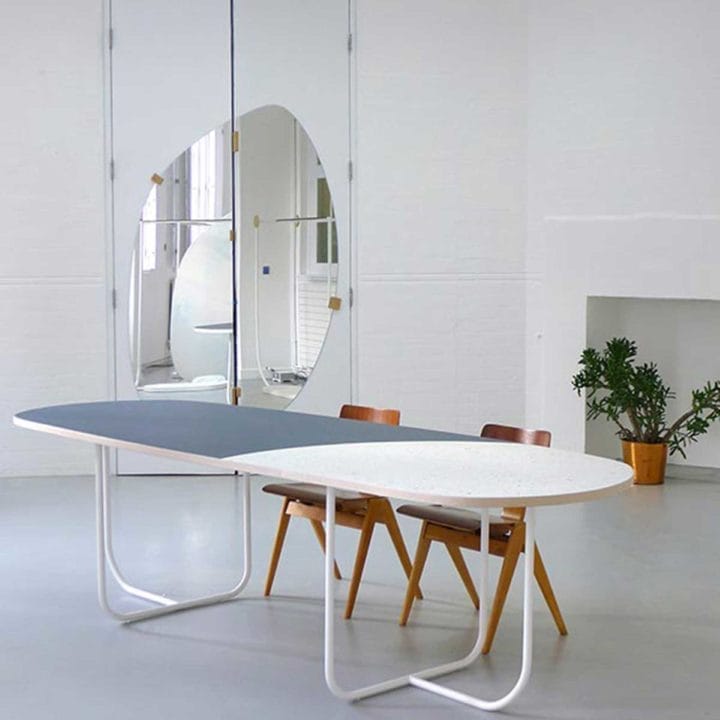
Furniture design from plastic scrap – Since 1994, the English company Smile Plastics has been shredding scrap materials to create newly designed furniture as well as flooring. In this process, plastic scrap in the form of used bottles, CDs or pipes is not only cut up, but also pressed into sheets by applying heat in molding presses. This approach results[...]

Learn more

Alginsulate foam

Foam from algae – The innovative alginsultate foam, which was developed in an exchange between Graz University of Technology and the Universidad de Magallanes in Chile, shows the natural sea dweller in a new light. The extraction of the algae material is considered environmentally friendly due to the low CO2 emissions during production. In addition, algae is a[...]

Learn more

Ingeo biopolymer

Disposable packaging made from Ingeo-PLA – Polylactide from Natureworks – known under the brand name Ingeo biopolymer – is a biopolymer produced from the polymerization of lactic acid, which in turn is obtained from the fermentation of plant-based sugars. Accordingly, Ingeo biopolymer PLA is a material that generates 80% less greenhouse gases in its production and, with its transparent nature,[...]

Learn more

Ecolean

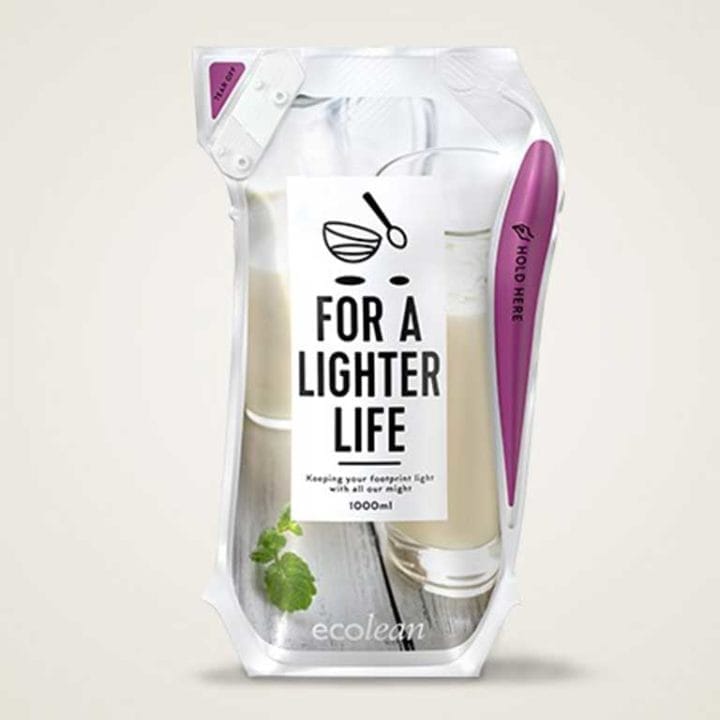
Chalk & Polymer Food Liquid Packaging – Ecolean ‘s lightweight material consists of recyclable plastic (PE and PP) and up to 35% chalk (calcium carbonate). The ingredients of this thin plastic film not only guarantee lightweight packaging, but also reduce the environmental impact and optimize the transport weight. The bag weighs just 16g. The disposal efficiency of thismultilayer remains open. Product[...]

Learn more