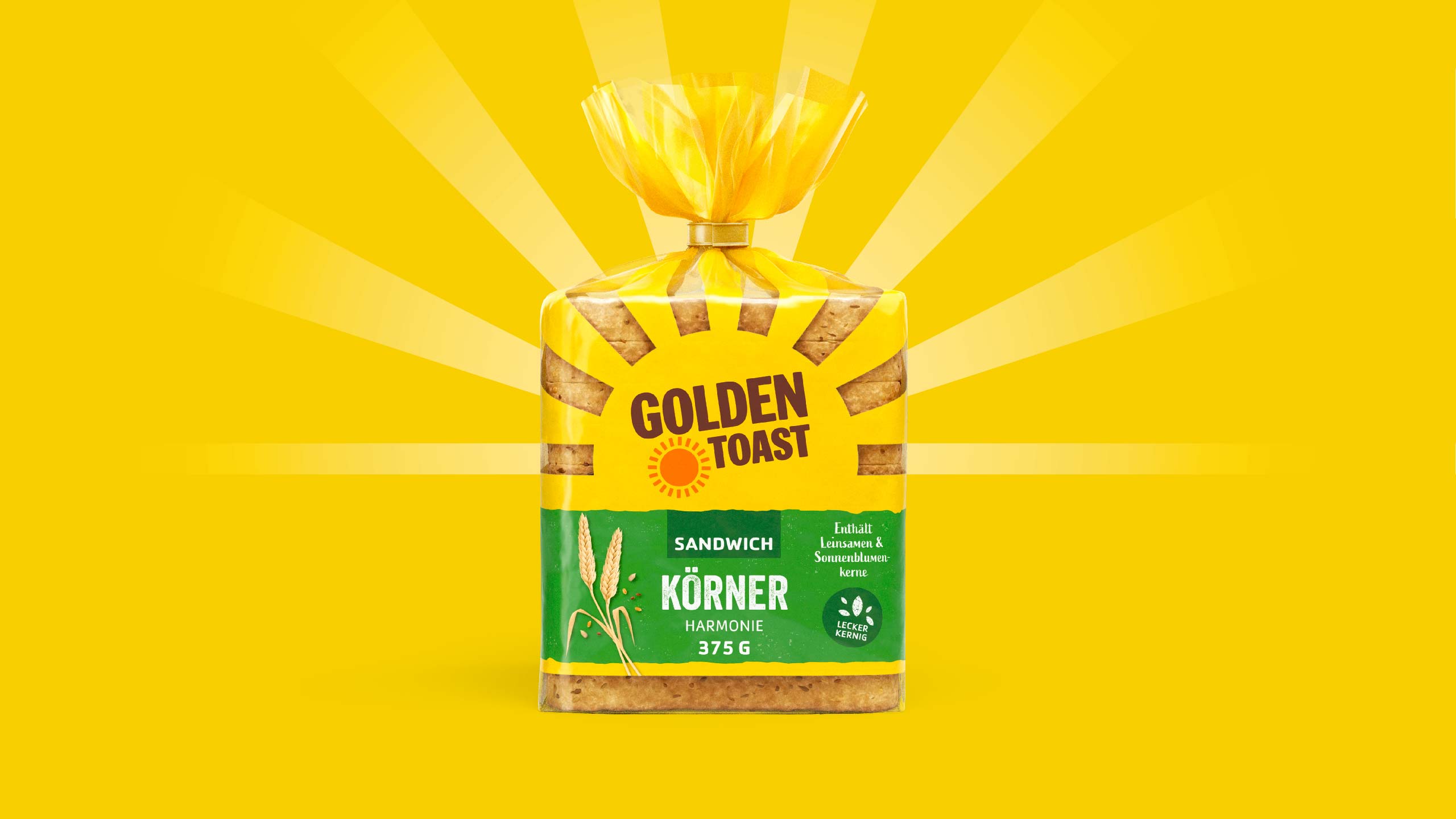
Sustainable packaging advice for future-proof food packaging.
We support food and beverage brands with sustainable packaging solutions – from strategy, regulation and material issues to PPWR, EmpCo and digital transparency.
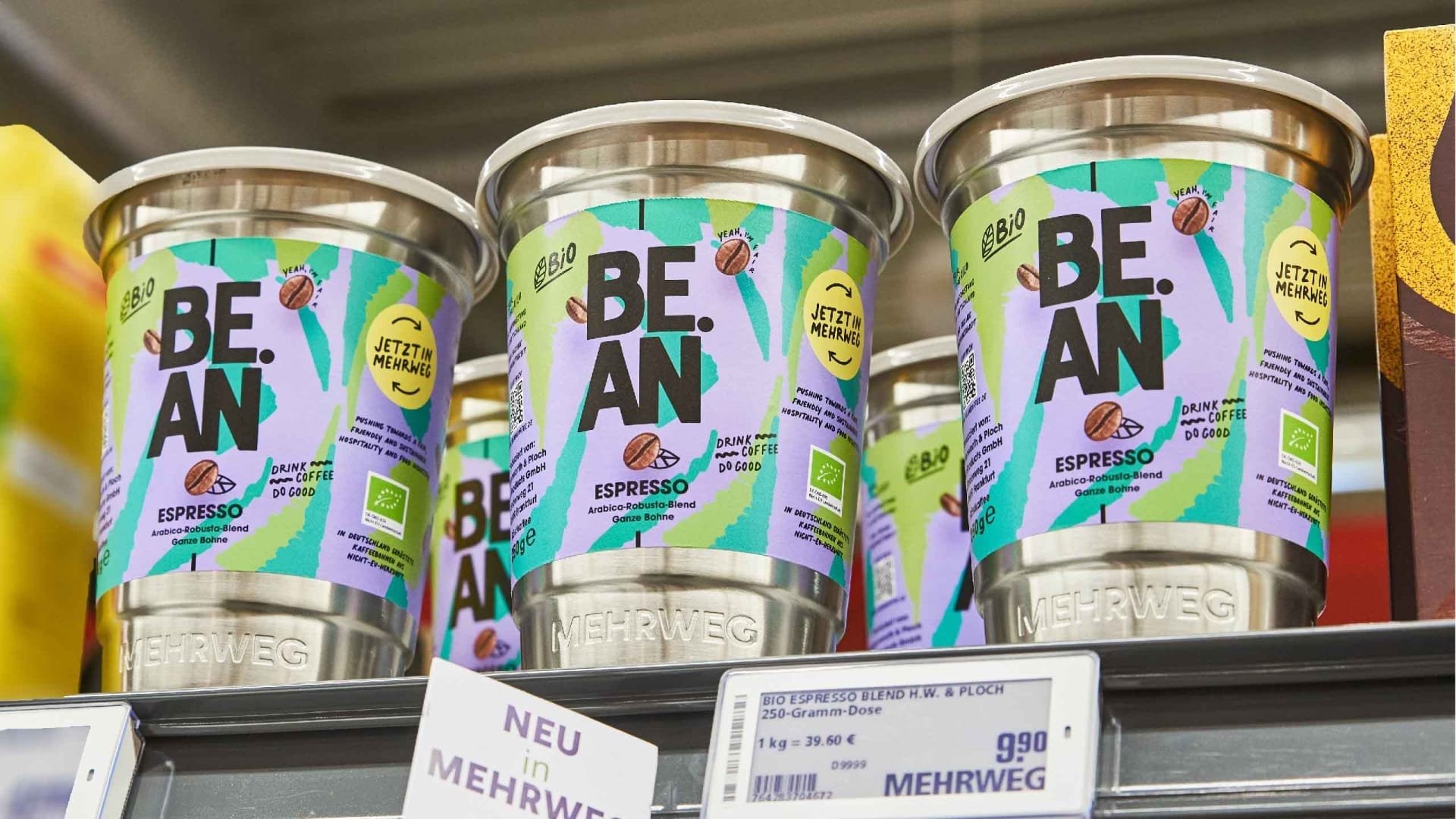
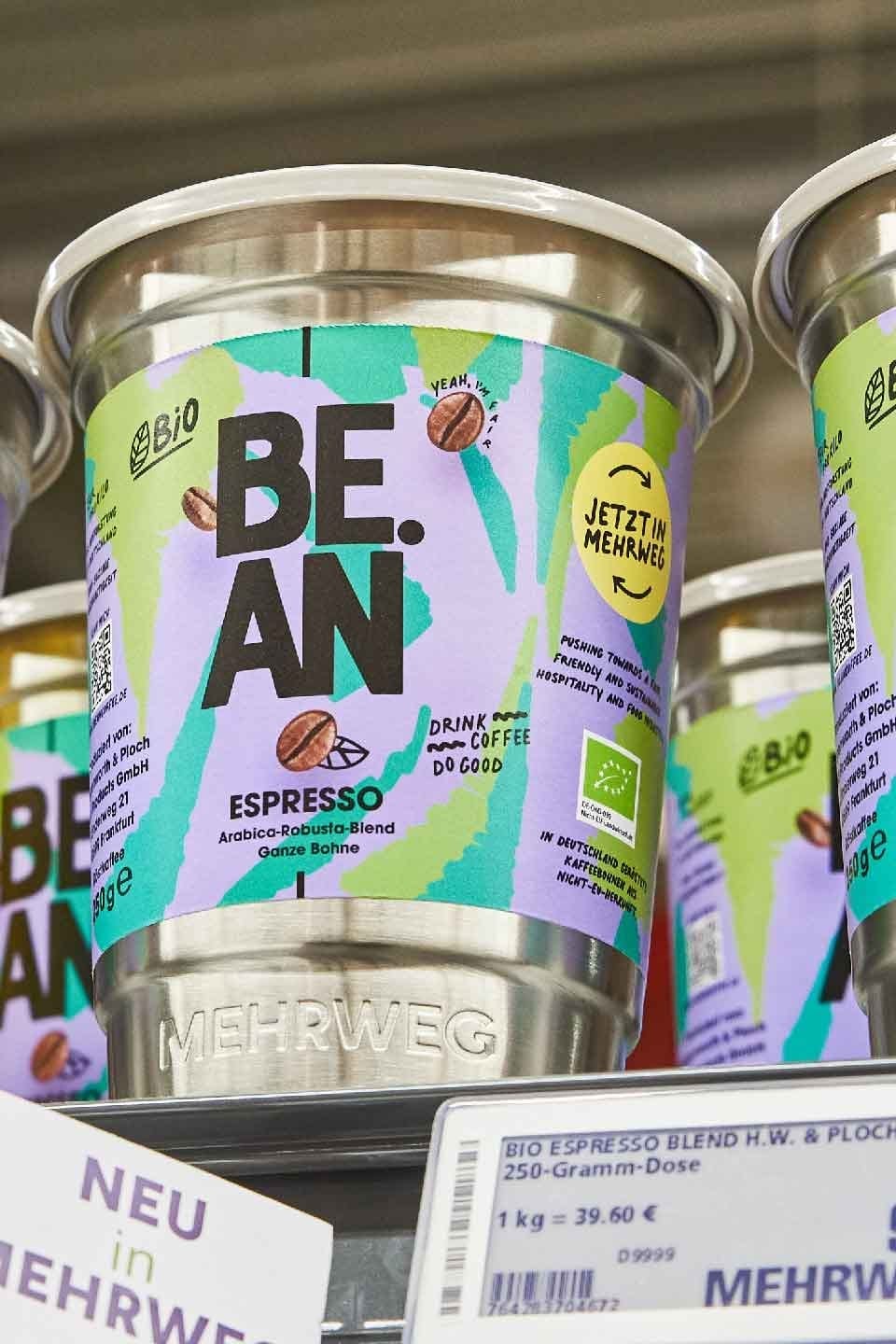
Strategic and sustainable packaging consulting for food brands in transition.
Today, sustainable packaging consulting means much more than just selecting supposedly environmentally friendly materials. For food and beverage brands, it’s about taking a holistic view of packaging: in terms of recyclability, brand impact, regulatory requirements, communication risks and practical feasibility along the entire value chain.
As a partner for sustainable packaging consulting, we support companies in future-proofing their packaging. We combine sustainability strategy, packaging expertise and regulatory understanding to create a sound consulting approach that provides orientation and derives concrete steps for action – from portfolio analysis, PPWR consulting and EmpCo-compliant communication to digital product passports for food.


Our services in sustainable packaging consulting.
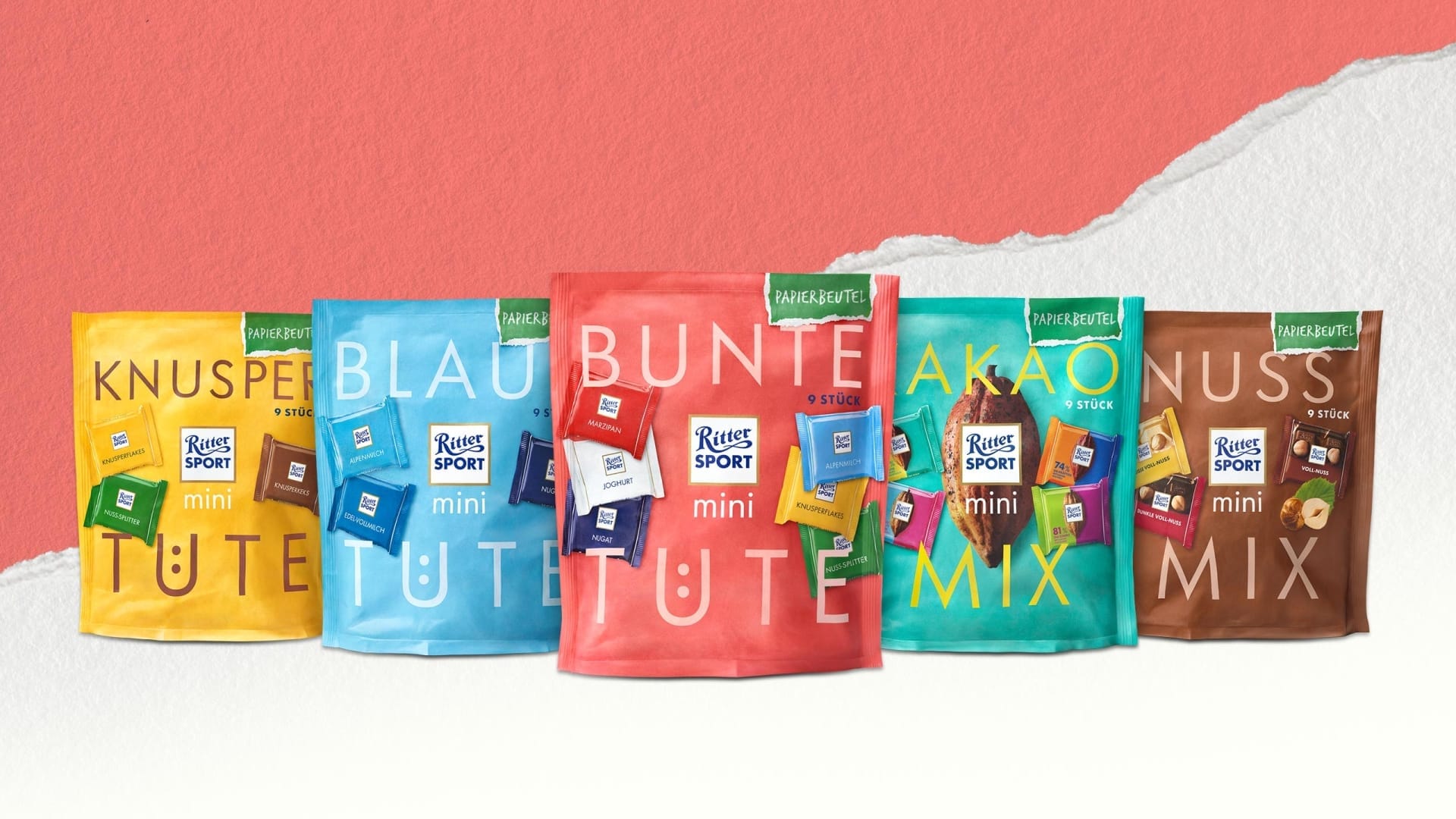
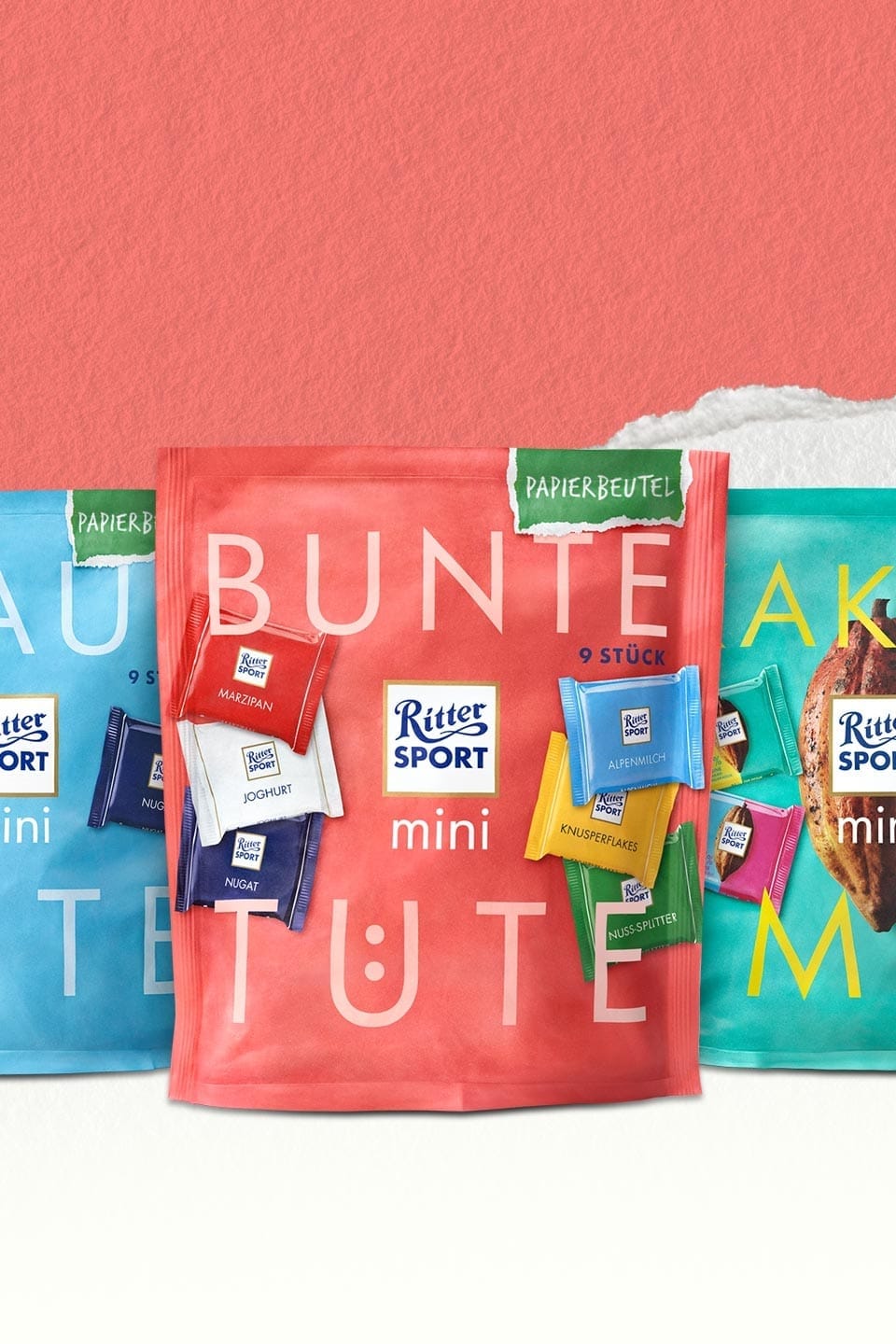
Sustainable packaging consulting between recyclability, regulation and brand responsibility.
Today, sustainable packaging has to do far more than just be well-intentioned. It needs to become more recyclable, meet regulatory requirements, communicate transparently and at the same time function as an effective brand contact point. This is precisely the particular challenge of sustainable packaging consulting: it combines ecological objectives with legal framework conditions, design reality and economic feasibility.





Future-proof packaging solutions are created where sustainability is not considered in isolation, but in interaction with regulations, communication requirements and user understanding. Only this interaction creates packaging that is resilient, understandable and compatible with the market, brand and legislation.
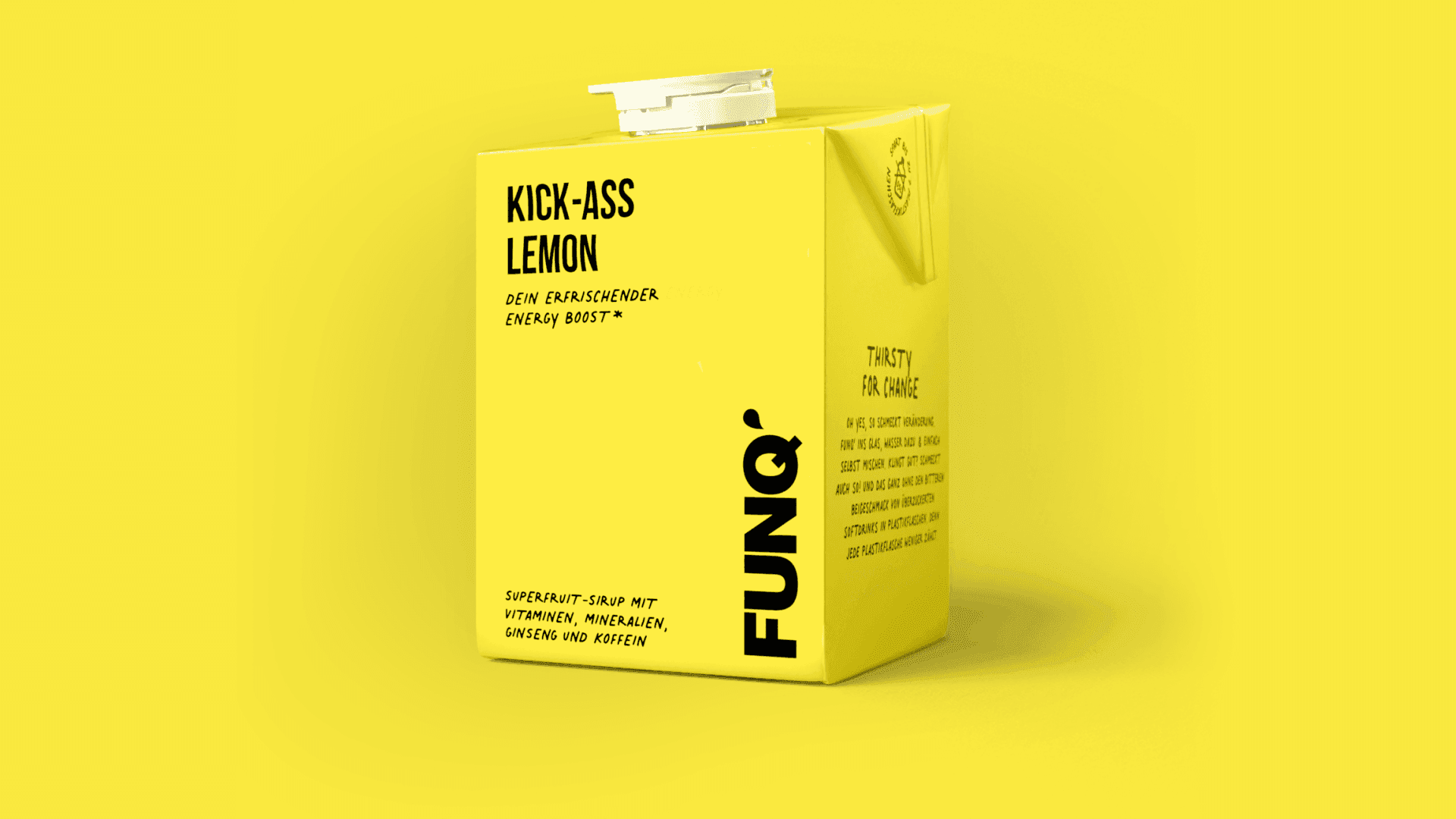
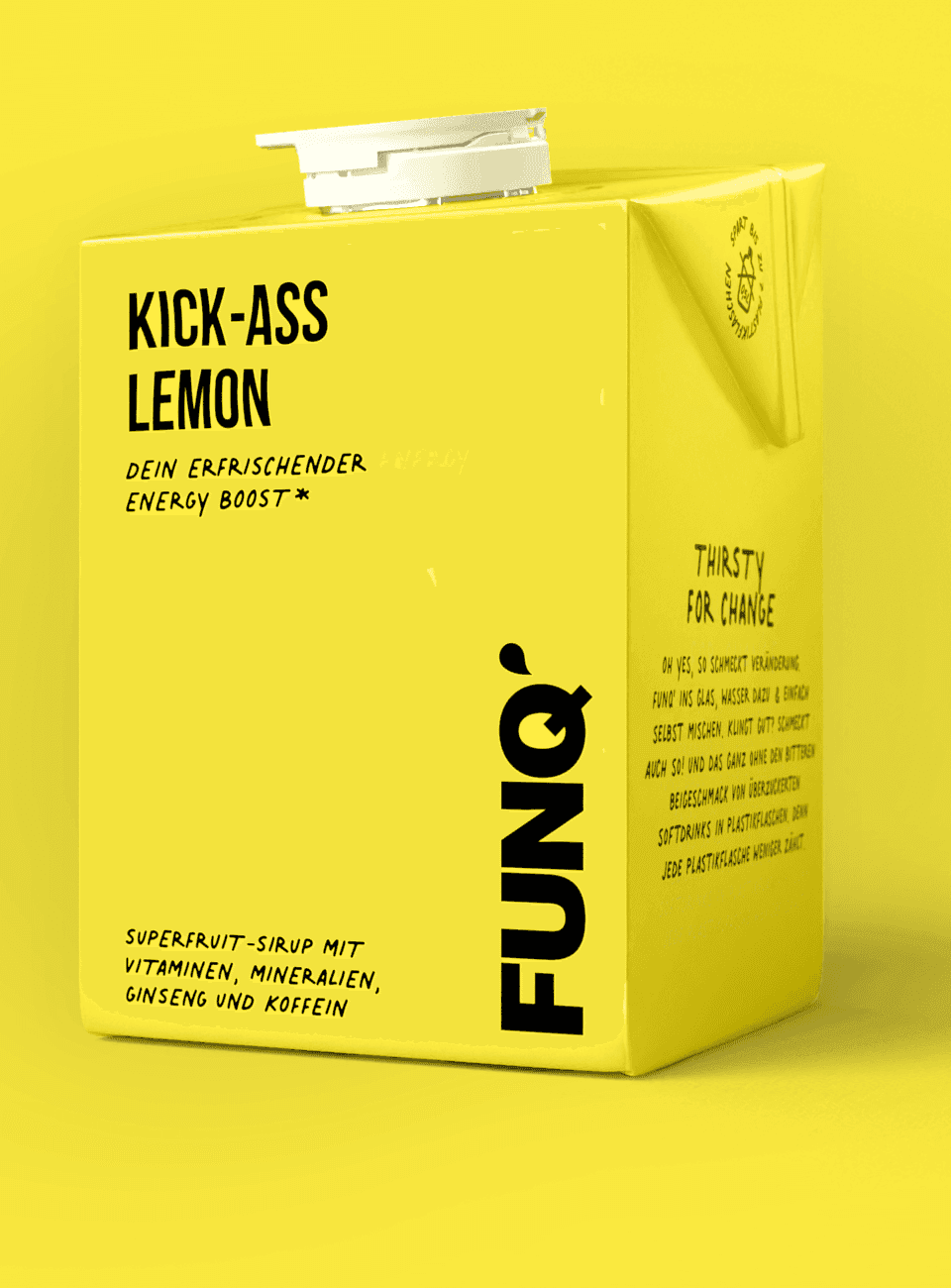
The requirements for which we use sustainable packaging consulting.
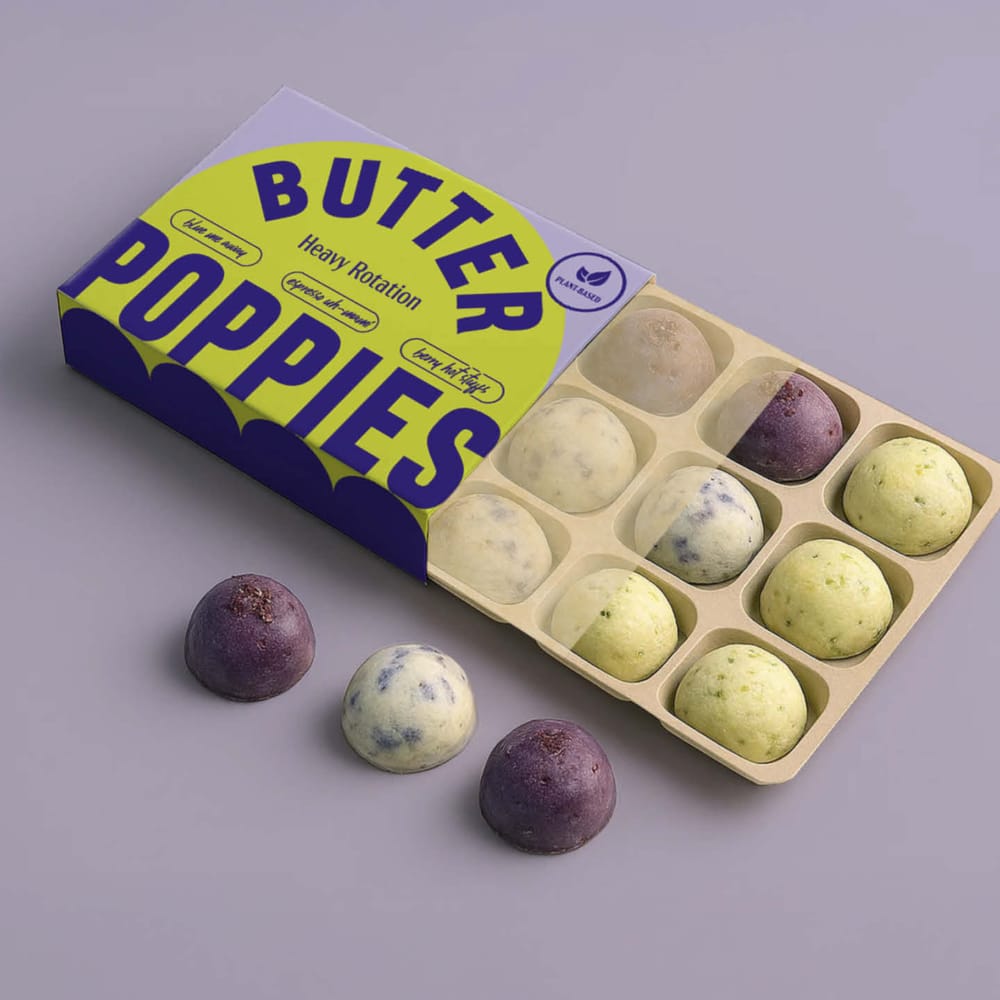
Frequently asked questions about sustainable packaging advice.
Sustainable packaging consulting includes strategic, design and regulatory support for packaging solutions with regard to sustainability, recyclability, communication, transparency and legal requirements.
It is particularly relevant for brands, manufacturers and distributors of food who want to further develop their packaging in a future-proof, brand-compliant and regulatory-compliant manner.
Sustainability describes the goal of making packaging more resource-efficient, recyclable and transparent. Regulation defines the specific legal requirements that must be complied with. In practice, the two are closely intertwined.
PPWR Consulting supports companies in preparing their packaging for the requirements of the EU Packaging Regulation. This includes topics such as recyclability, recyclate content, labeling, digital information obligations and portfolio-wide implementation strategies.
EmpCo is part of the EU measures against greenwashing and concerns sustainability claims at product level. In future, it must be possible to clearly explain and substantiate claims such as “environmentally friendly” or similar ecological promises.
In the narrower EU sense, the Digital Product Passport is not currently prescribed for food. In this context, however, we are positioning the digital twin as a relevant digital extension of packaging with a QR code, structured data and transparency functions for information obligations, traceability and consumer communication.
Not mandatory. Targeted adjustments to material, labeling, artwork or information structure are often sufficient.