Eco-Bricks

Bricks
made from used
PET bottles
– The ECO-BRICKS bricks are made of 1.2 kg of plastic waste or 20 PET bottles each. Visually, they resemble common cement bricks, but they are made from leftovers and without the use of heat. In this process, the waste is crushed and supplemented with sand, cement and water, and then formed into bricks in[...]

Learn more
MILK MaterialLab Eco Bricks Fundación Ecoimclusion alta Garcia

BioFoam

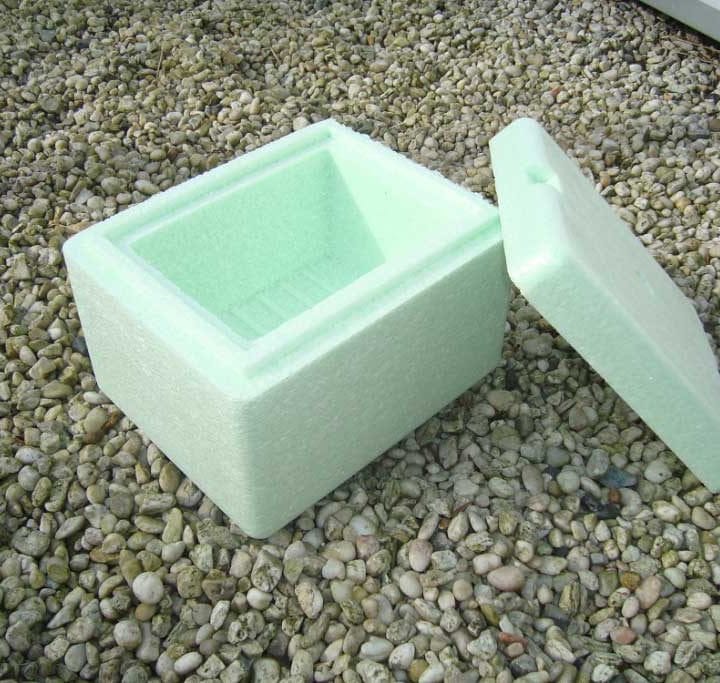
Foam made from biopolymers – BioFoam consists of biopolymers, i.e. renewable, plant-based materials such as corn starch and sugar cane. BioFoam is therefore an organic-based foam that can be recycled. The material is biodegradable and can be industrially composted at high temperatures under the influence of moisture and bacteria. BioFoam for long-term use. Product name: BioFoamManufacturer: BEWIProject status: Concept[...]

Learn more

MILK MaterialLab BioFoam Symbra Technology

Smile Plastics

Furniture design from plastic scrap – Since 1994, the English company Smile Plastics has been shredding scrap materials to create newly designed furniture as well as flooring. In this process, plastic scrap in the form of used bottles, CDs or pipes is not only cut up, but also pressed into sheets by applying heat in molding presses. This approach results[...]

Learn more

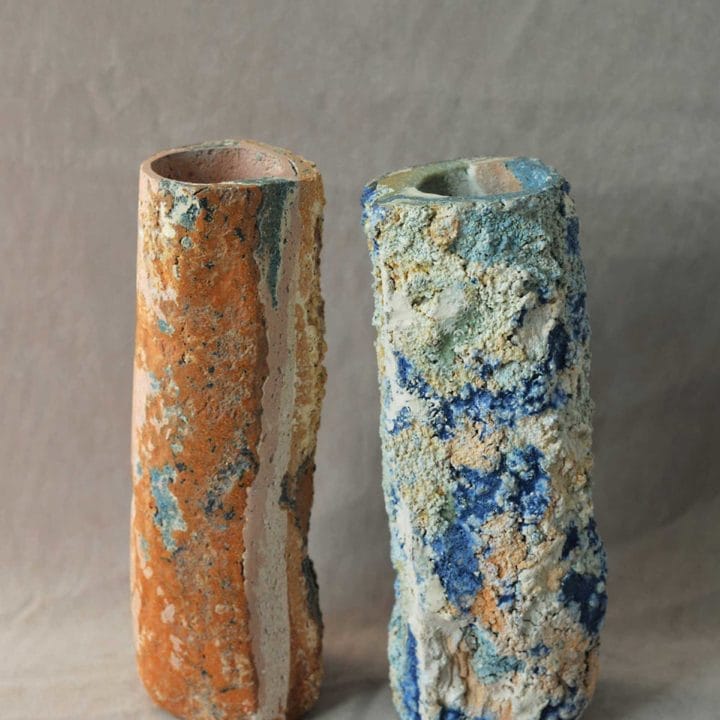
Mycocomposite

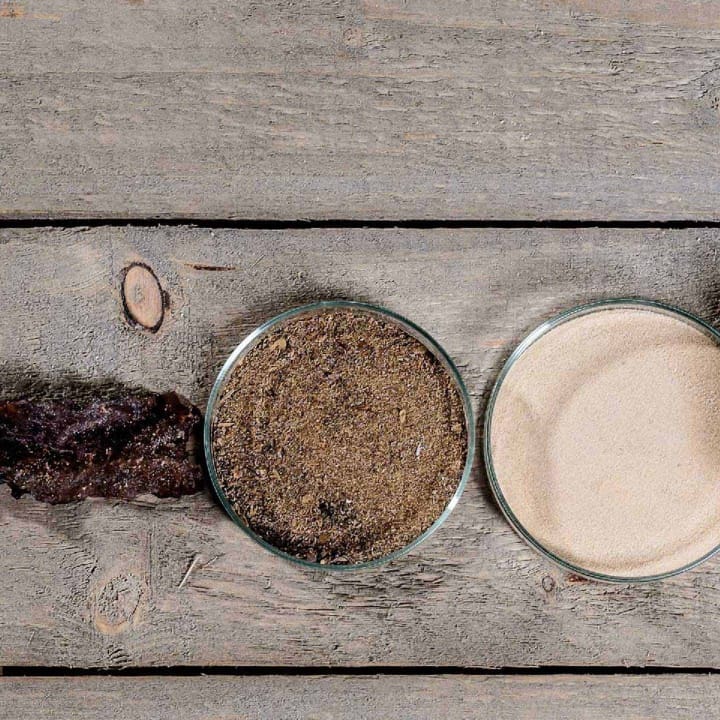
Packaging from fungus based materials – The mycelium-derived Mushroom packaging solution (Mushroom® Packaging based on MycoComposite™) was developed by Ecovative Design in 2007 and is a more cost-effective and biodegradable alternative compared to conventional foams. Their complete compostability is particularly innovative. Based on a mixture of the fungus-cell combination mycelium and agricultural by-products oat or buckwheat hulls, Mushroom packaging is[...]

Learn more

Alginsulate foam

Foam from algae – The innovative alginsultate foam, which was developed in an exchange between Graz University of Technology and the Universidad de Magallanes in Chile, shows the natural sea dweller in a new light. The extraction of the algae material is considered environmentally friendly due to the low CO2 emissions during production. In addition, algae is a[...]

Learn more

Ingeo biopolymer

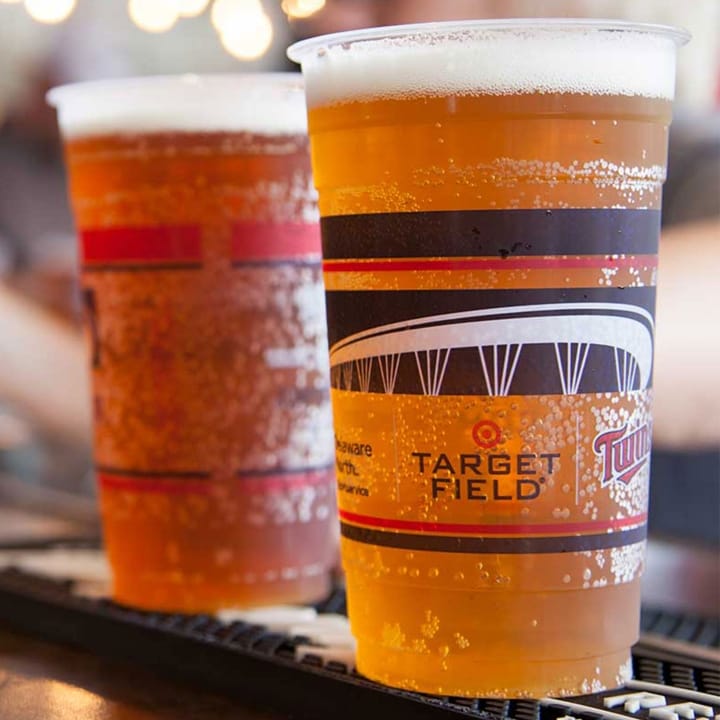
Disposable packaging made from Ingeo-PLA – Polylactide from Natureworks – known under the brand name Ingeo biopolymer – is a biopolymer produced from the polymerization of lactic acid, which in turn is obtained from the fermentation of plant-based sugars. Accordingly, Ingeo biopolymer PLA is a material that generates 80% less greenhouse gases in its production and, with its transparent nature,[...]

Learn more

Flupis

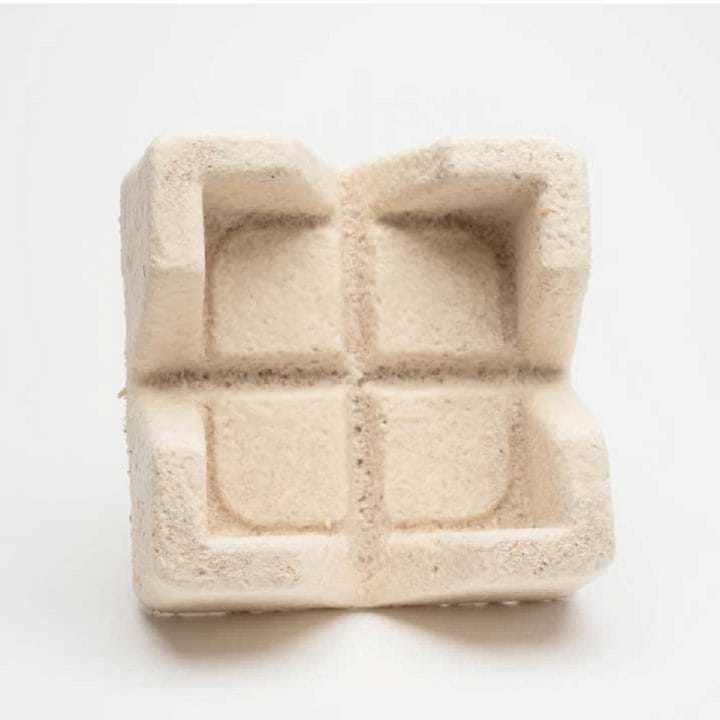
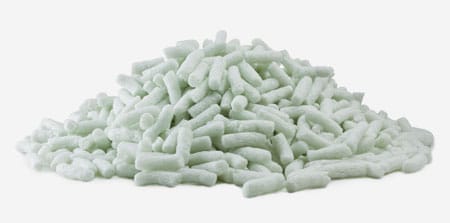
Paper foam filling & padding material – From production to disposal, Flupis is an environmentally friendly filling and cushioning material that can be used in a variety of ways as transport protection. The production of this packaging material from paper foam is based on a patented process that processes waste paper with renewable raw materials. After use, it can be disposed[...]

Learn more

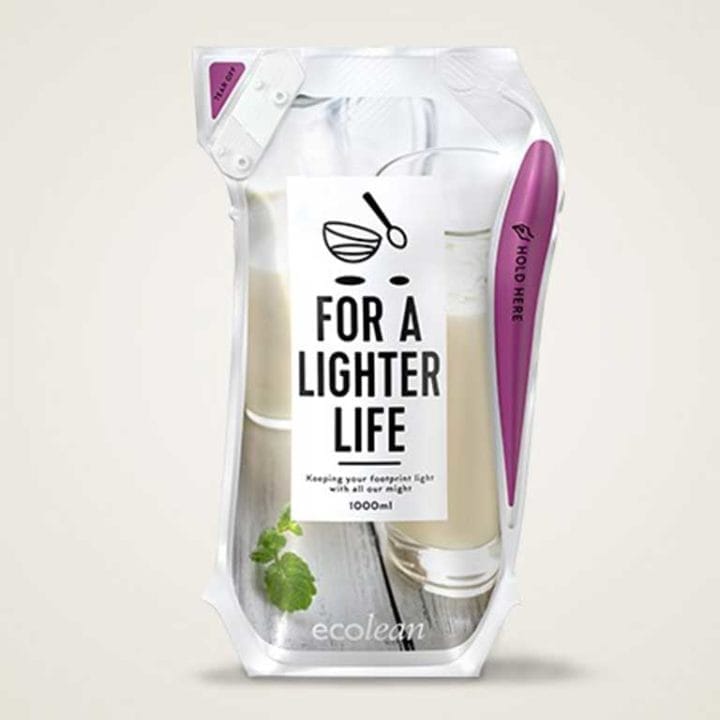
Ecolean

Chalk & Polymer Food Liquid Packaging – Ecolean ‘s lightweight material consists of recyclable plastic (PE and PP) and up to 35% chalk (calcium carbonate). The ingredients of this thin plastic film not only guarantee lightweight packaging, but also reduce the environmental impact and optimize the transport weight. The bag weighs just 16g. The disposal efficiency of thismultilayer remains open. Product[...]

Learn more

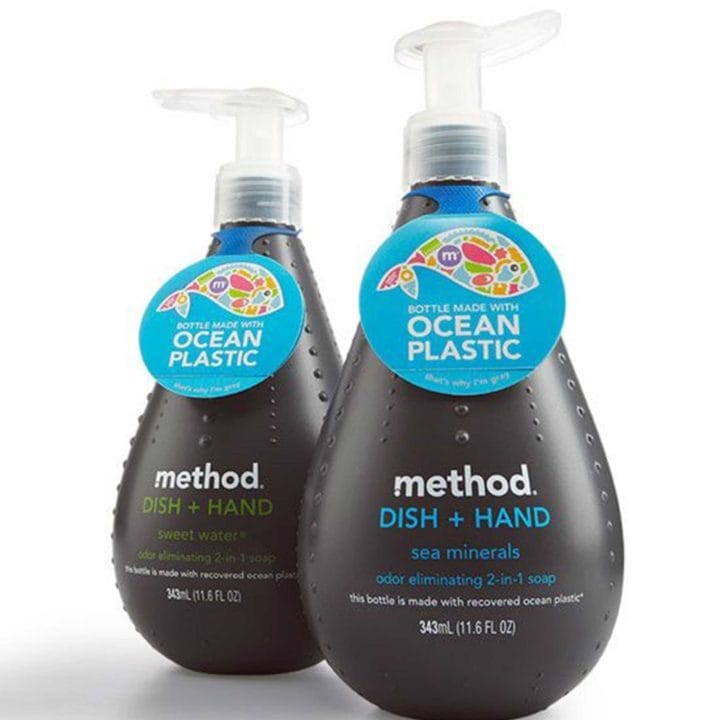
Ocean Plastic Soap Bottle

Soap bottle
made from recycled ocean plastic
– The ocean plastic 2-in-1 dish + hand soap by method consists of recycled plastic as well as plastic collected by volunteers and clean-up groups on Hawaiian beaches. In this way, over a ton of the collected plastic was passed on to methods recycling partner Envision Plastics for further processing. The grayish color of the[...]

Learn more

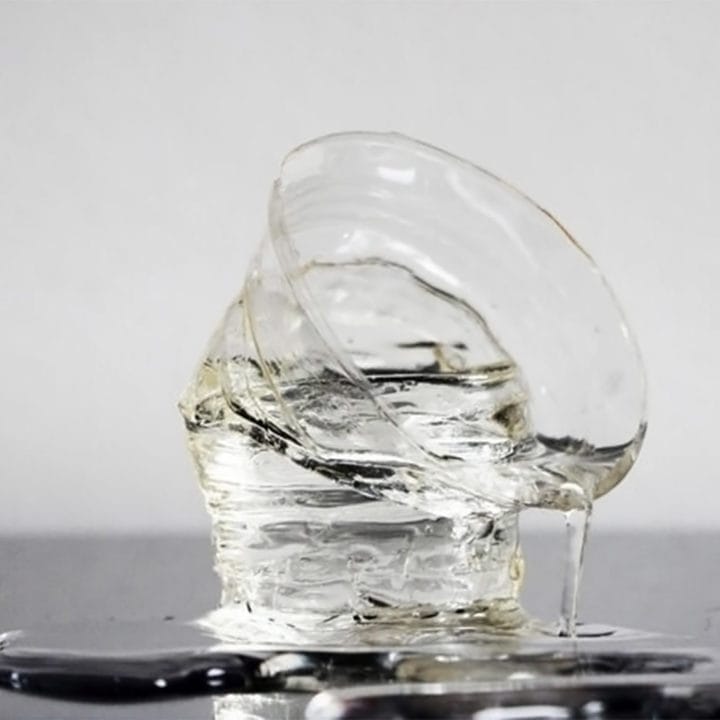
Super Synthetics

Dissolvable rice starch drinking vessel – With the Super Synthetics project, a drinking vessel based on natural materials was developed by Maria Idicula Kurian as her master’s thesis at Central Saint Martins College. Various ingredients such as rice pepper, potato starch and bacterial cellulose were experimented with and used in the project. If liquid is added to the drinking vessel,[...]

Learn more

Milk Plastic

Products from cow’s milk protein (casein) – Milk Plastic is engaged in the manufacture of products based on casein as a starting material. For this purpose, the curd contained in surplus milk is separated from the liquid whey by applying heat. The curd obtained is then dried and processed into pellets by adding natural plasticizers. By processing the pellets into board[...]

Learn more