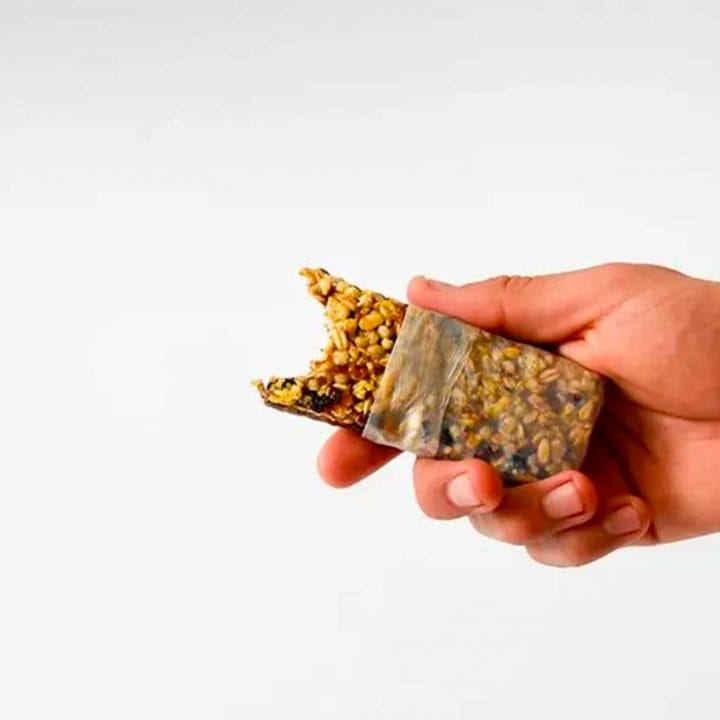
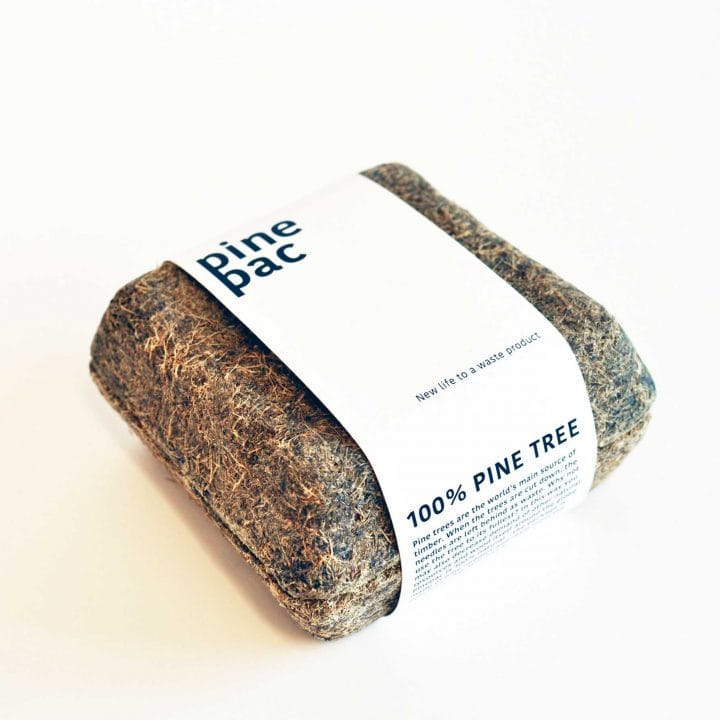
Landbox

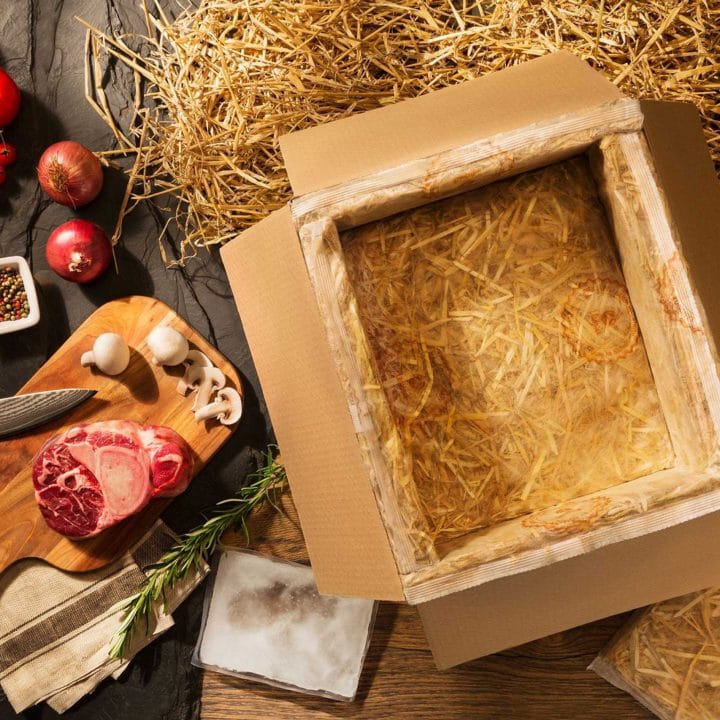
Straw insulating packaging – The Landbox is a straw-based alternative to conventional polystyrene packaging. Every year, a large amount of this agricultural by-product remains unused. Landpack uses 1,500 tons of straw per year to press it using thermal processes with steam and pressure. The stalks are preserved and hardly damaged mechanically. As the market price is €80 per[...]

Learn more

MILK MaterialLab Landbox Landpack

Woolcool

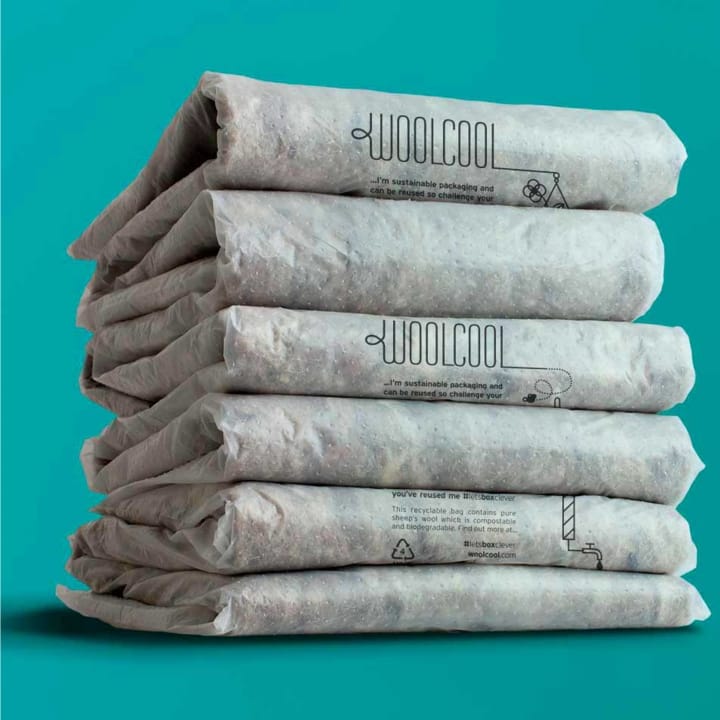
Wool insulation packing – Woolcool’s Insulated Food Delivery Box Sets are environmentally friendly boxes with built-in wool insulation. Fleece inserts, which are filled with 100% wool, ensure a constant temperature inside the sturdy box. Available in six different sizes, Woolcool Packagings can be reused or recycled after use. They are suitable for foods such as meat, cheese, chocolate[...]

Learn more

Twiice®

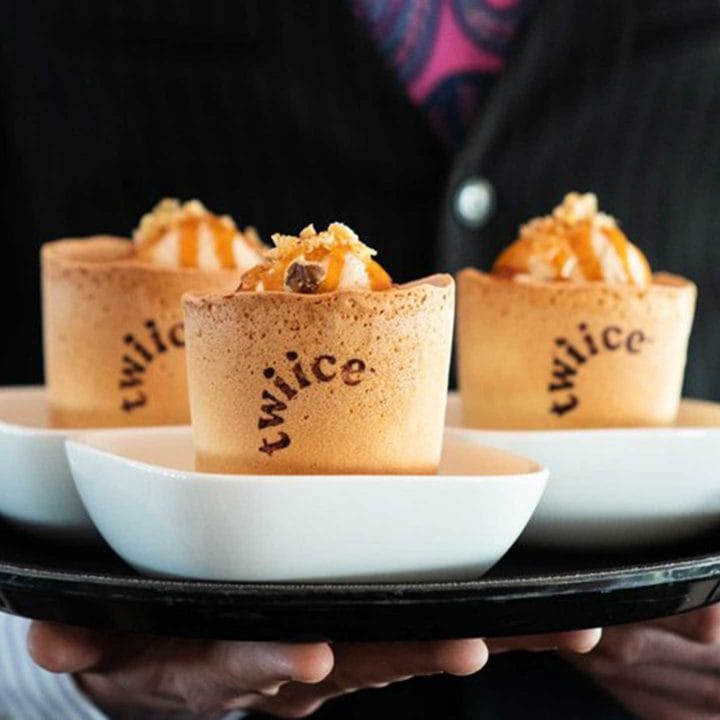
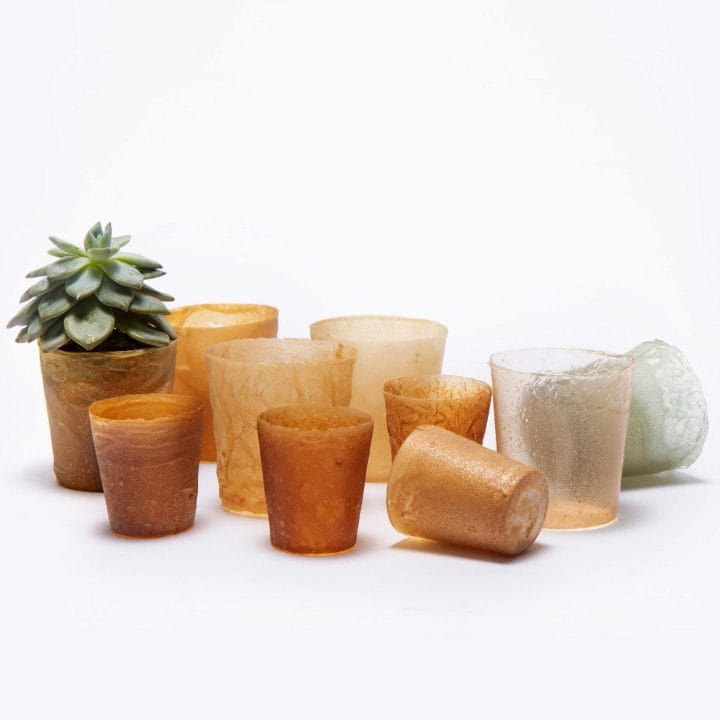
Edible drinking cups – Stephen and Jamie, a father-son duo from New Zealand, founded Twiice to produce edible drinking cups. The handmade and additive-free cups can be consumed after their use, avoiding any packaging waste. They are made from wheat flour, sugar, and egg and vanilla essence, making them an edible alternative to traditional plastic cups. Twiice is[...]

Learn more

MILK MaterialLab EdibleCup Twiice

Grounded Packaging

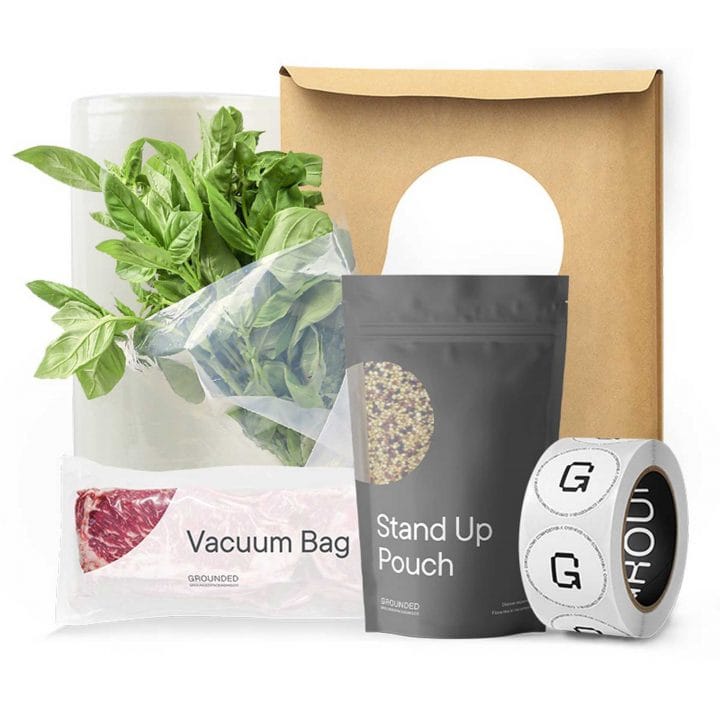
Sustainable packaging solutions – Grounded Packaging is a Sydney-based company that produces recyclable and compostable packaging solutions for food and consumer goods. The envelopes, films, vacuum bags and stand-up pouches are made from potato, corn or rice starch. Remnants of manio root further strengthen the material. Fast-growing eucalyptus trees are used as the basis for the industrially and[...]

Learn more

MILK MaterialLab GroundedPackaging

Edible Seaweed Packaging

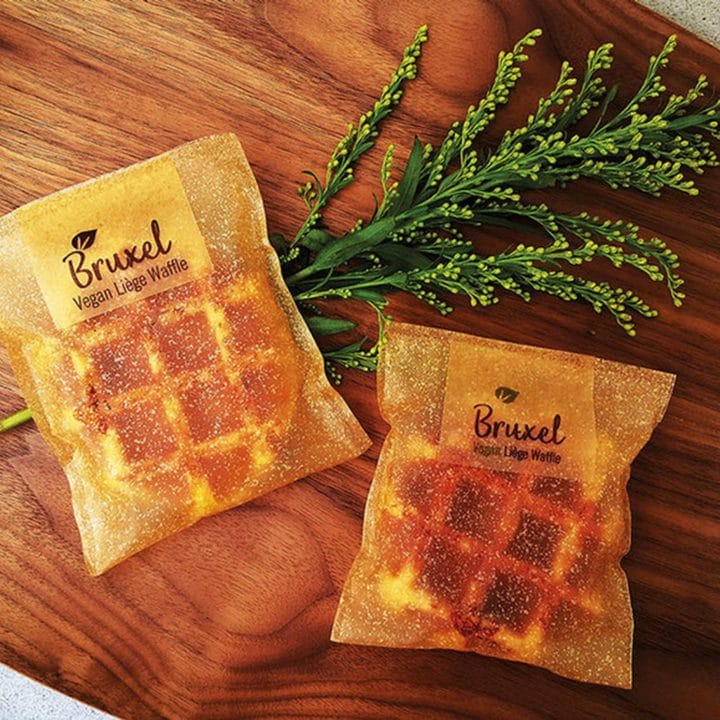
Biodegradable plastic – Indonesian researchers Dr. Noryawati Mulyno and David Christian developed Edible Seaweed Packaging, which consists of seaweed. In its homeland, 90% of plastic waste is disposed of in the ocean and at the same time it has a large supply of algae. They founded the company Evoware to produce a plastic-free alternative from marine plants.[...]

Learn more

MILK MaterialLab EdibleSeaweedPackaging Evoware Noryawati Mulyno

Chitosan Bioplastics

Material made from shrimp chitin – The biodegradable material Chitosan Bioplastics was developed as a research project by industrial designers Paul Kheem and Ronny Haberer during their studies at New York’s Pratt Institute. In order to reduce global marine pollution, they are using the chitin found in shrimp shells to develop a plastic alternative. By acetylating the biopolymer, chitosan is[...]

Learn more

MILK MaterialLab ChitosanBioplastics PaulKheem

Vivomer

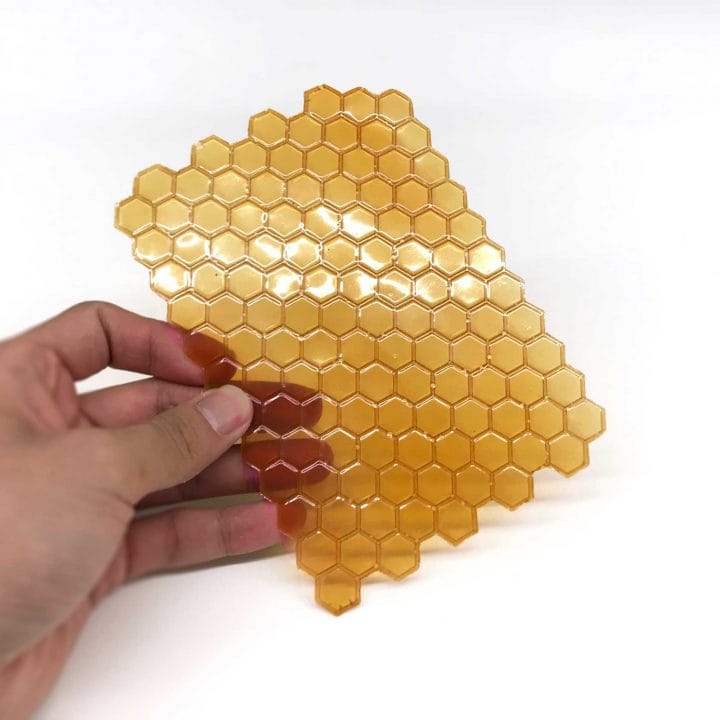
Compostable bioplastics produced with microorganisms – Shellworks produces Vivomer, a sustainable bioplastic made from microorganisms found in the sea or soil. Four designers, Ed Jones, Insiya Jafferjee, Amir Afshar and Andrew Edwards from the Royal College of Art and Imperial College, have developed the nature-based monomaterial. As a bio-based polymer, the PHA is 100% vegan and free from microplastics, while[...]

Learn more
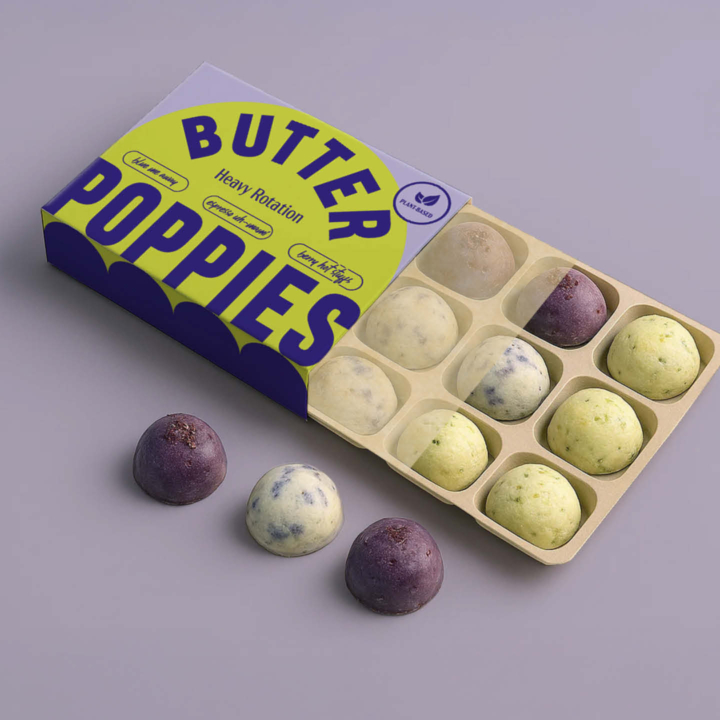
MILK MaterialLab TheShellWorks EdJones InsiyaJafferjee AmirAfshar AndrewEdwards

Tômtex

Material from chitin and coffee grounds – Tômtex makes vegan leather from seafood waste and used coffee grounds. Seafood shells contain a large amount of chitin, which promotes biodegradability of the material. After preparation, the raw materials are refined with a layer of beeswax. Sealing ensures the water resistance of the material and allows individual surface texture. This allows design patterns[...]

Learn more

MILK MaterialLab Bayonix Stefan Hunger

Biotrem

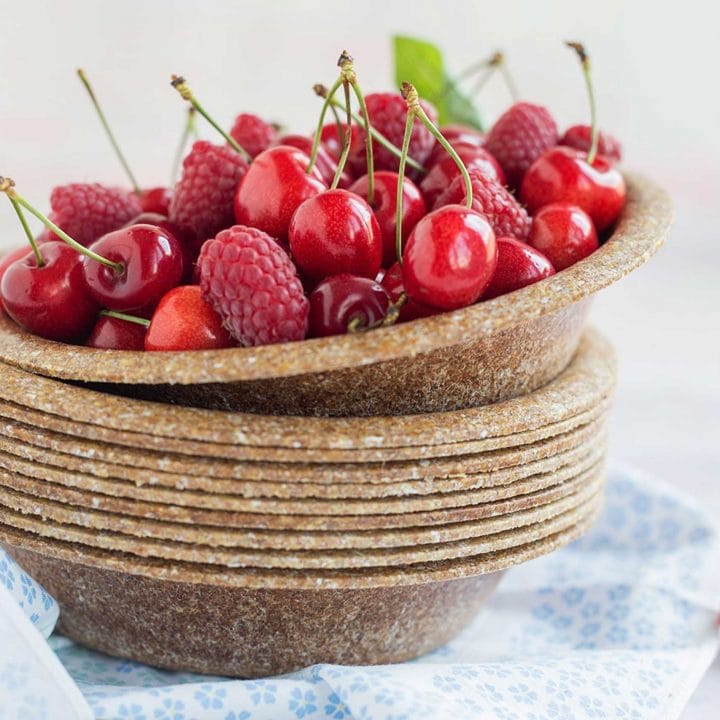
Wheat bran disposable tableware – Growing up in a family that had been running a mill for decades, Jerzy Wysocki decided to put the leftover product of the grain milling process, wheat bran, to good use. He developed a natural material from the seed husk and a small amount of water, which is suitable for use as disposable tableware[...]

Learn more

MILK MaterialLab Biotrem Geschirr aus Weizenkleie MILK-MaterialLab-Biotrem-Geschirr-aus-Weizenkleie-6

The Compostable Mailer

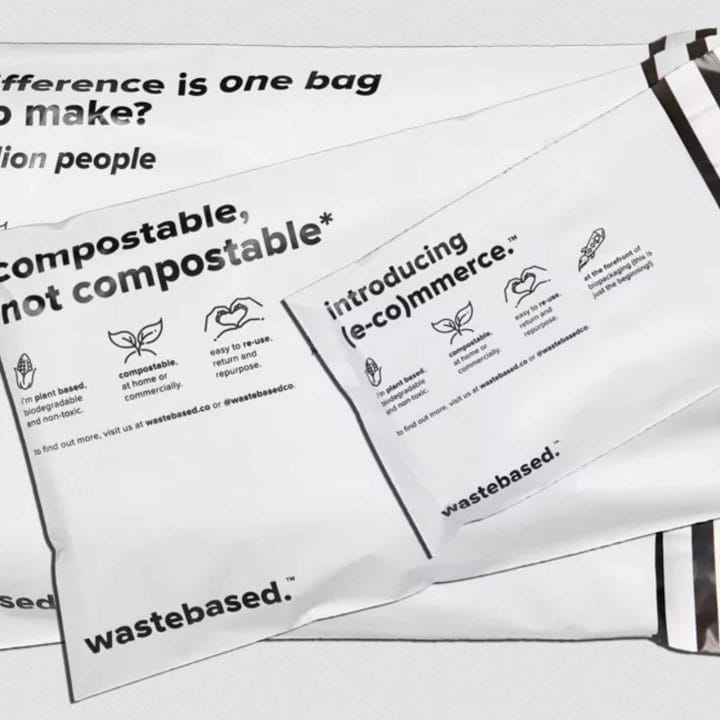
Mailing Bags Made From Corn Starch – The shipping bags from wastebased are made on the basis of corn starch and the natural PLA polymer, are completely of biological origin and therefore also compostable at home. The idea of producing a material that can be dissolved in water within seconds, leaving no environmentally harmful traces, led the British company to produce[...]

Learn more

MILK MaterialLab Wasedbased Versandtaschen MILK-MaterialLab-Wasedbased-Versandtaschen-8

Scoby Packaging

Packaging from organic waste – MakeGrowLab’s woven biowaste packaging is made entirely of cellulose, making it free of toxic pollutants, synthetic polylactides and fossil fuels. Scoby is 40 times more durable than paper and is compostable and plastic-free due to its natural ingredients. Thanks to its airtightness and water resistance, Scoby has already been able to encase shampoos, soaps,[...]

Learn more

MILK MaterialLab ScobyPackaging MakeGrowLab MILK-MaterialLab-ScobyPackaging-MakeGrowLab-10

Pinepac

Packing From Pine Needles – Pinepac, the winner of the 2017 International Packaging Contest in the Material category, is a package made of pine needles and resin. To produce them, the plants are crushed and mixed with the organic binder resin. The resulting mixture is then pressed into molds, which consist of salt, flour, sunflower oil and water. Subsequent[...]

Learn more

MILK MaterialLab PinePac Lina Petersson Arina Pauli MILK-MaterialLab-PinePac-Lina Petersson-Arina Pauli-4