KAIKU Living Color

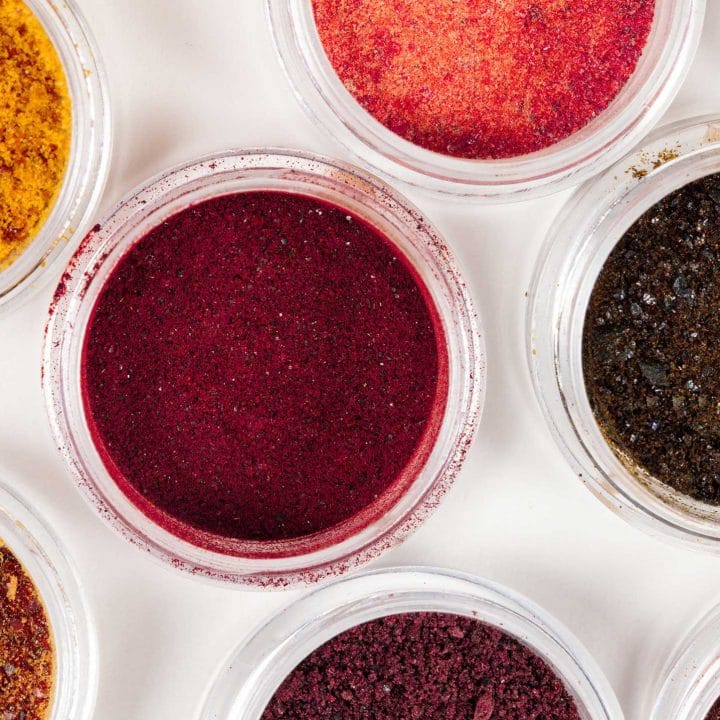
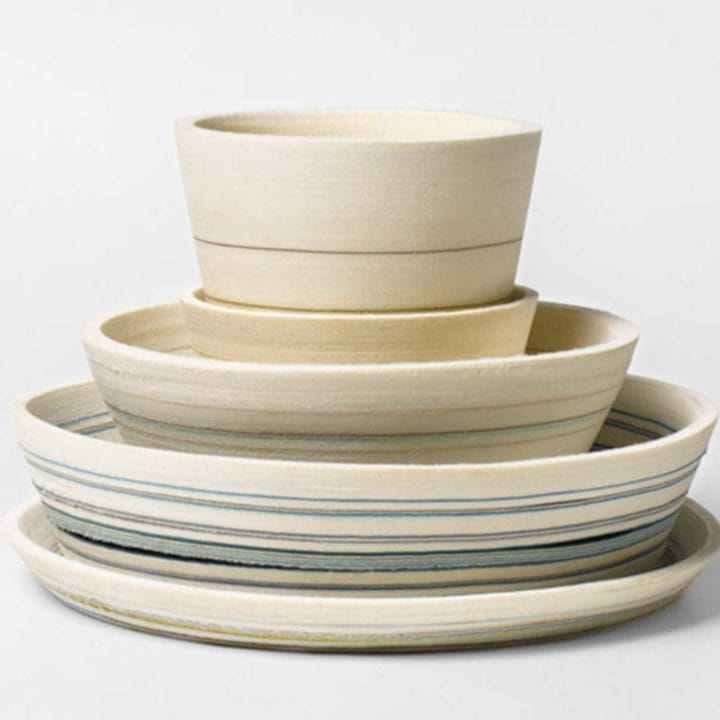
Colors from food bowls – KAIKU Living Color is a sustainable alternative to conventional paints made from petroleum. Using food trays from vegetables that have already been eaten offers a chemical- and toxin-free option for coloring materials. For the preparation of living colors are particularly suitable avocados, beet, onions and oranges. These are boiled so that first the juice[...]

Learn more

MILK MaterialLab Kaiku Living Color MILK-MaterialLab-Kaiku-Living-Color-5

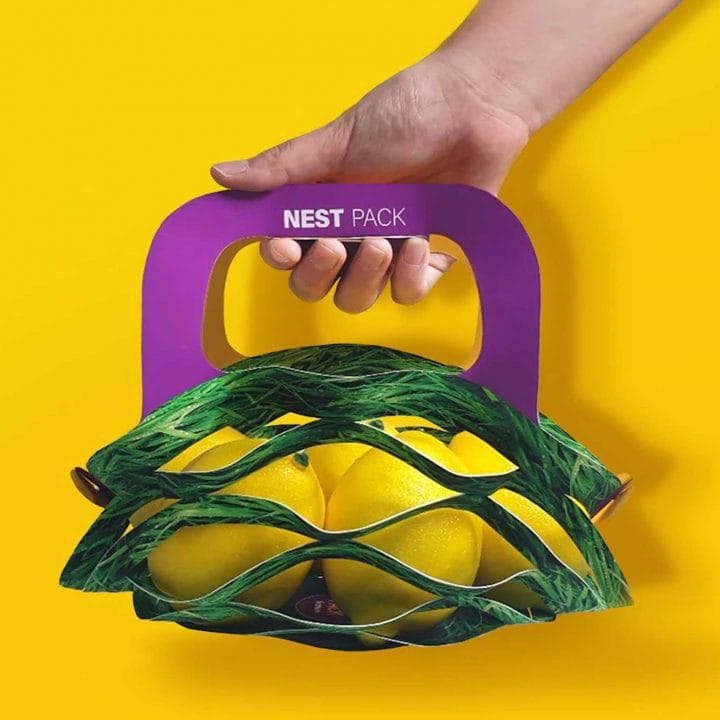
NEST PACK

Nest shape fruit packaging – South Korean designer Jo Hui Jung’s student project is an eco-friendly nest-style fruit packaging. It is only made of recycled paper and therefore does not require any use of plastic. Up to a weight of three kilos, the designs can be used as a practical carrier bag for the fruity food. #nestpack #sustainablefoodpackaging #recycle[...]

Learn more

MILK MaterialLab NEST PACK Jung Jo Hui MILK-MaterialLab-NEST-PACK-Jung-Jo-Hui-2

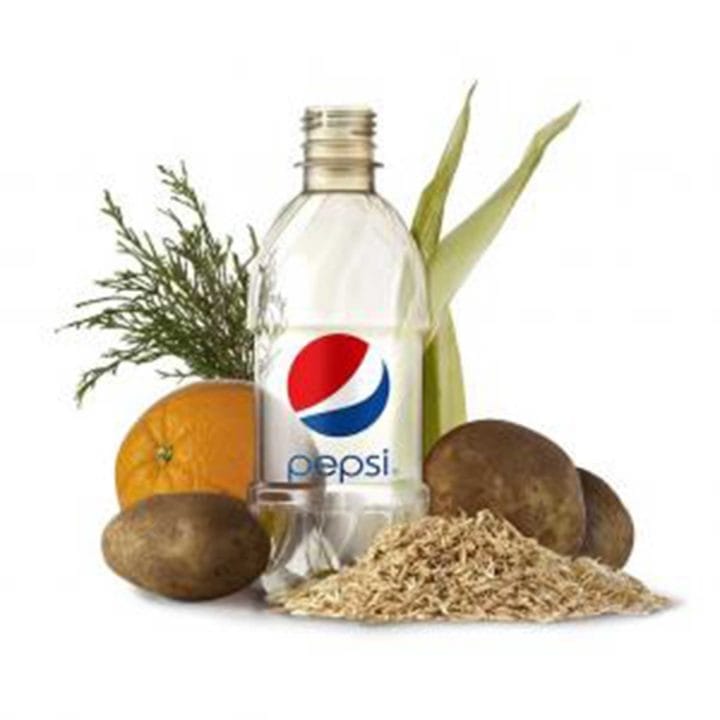
Oranges PET

Bioplastic bottle made from orange peel – Made purely from plant-based materials, the “green” PET bottle was designed by Pepsi to offer consumers a fully recyclable alternative to traditional PET bottles. Renewable resources such as switchgrass, pine bark and orange peel serve as feedstock and enable the production of the bioplastic through a combination of chemical and biological processes. It also[...]

Learn more

MILK MaterialLab Orangen PET Pepsi

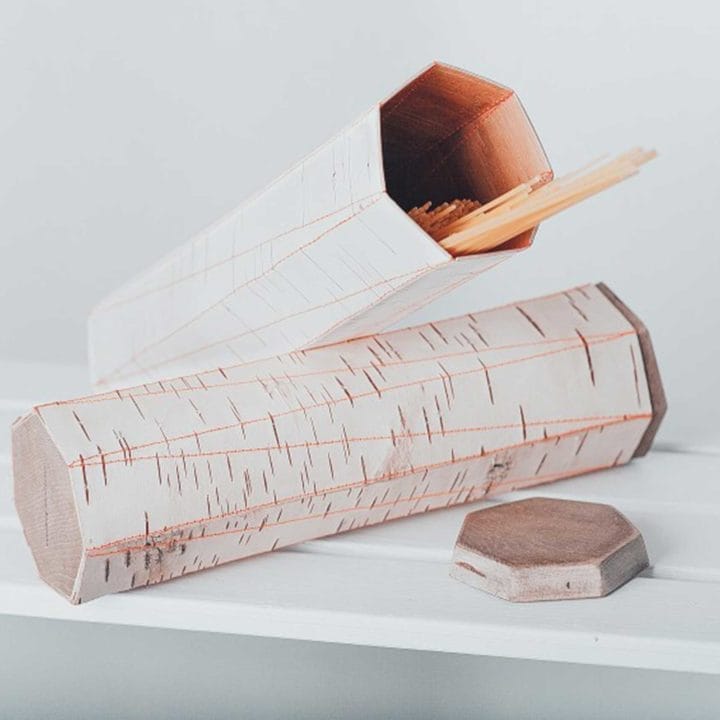
Tuesa

Birch bark antiseptic containers – Anastasiya Koshcheeva’s storage boxes “Tuesa” are truly unique due to the natural birch bark and regional cedar wood. The oils contained in the natural materials ensure a long freshness of the stored food. The modern design was developed and handmade in Siberia. The aesthetic and practical focus is especially on the birch bark, which[...]

Learn more

Chicory plastic

Plastic from
chicory waste
– Chicory is known as a salad, less as a raw material for plastics. The root of the plant usually ends up in the composting plant. Only a fraction is used to produce biogas. Researchers at the University of Hohenheim have discovered the chicory root as a resource for obtaining hydroxymethylfurfural (HMF), one of the[...]

Learn more

MILK MaterialLab Chicorée Hochschule Hohenheim

VEIO

Textile shells – The scarf series VEIO, processed by turning, was created by Kathin Morawietz’s idea of pressing the layers of old textiles together by a thin layer of glue. In the process, these become a dense block that retains the feel of the fabric and makes it a visually unique piece. Once the material is strong[...]

Learn more

MILK MaterialLab Veio Kathrin

WikiCells

Edible packaging
made from fruit
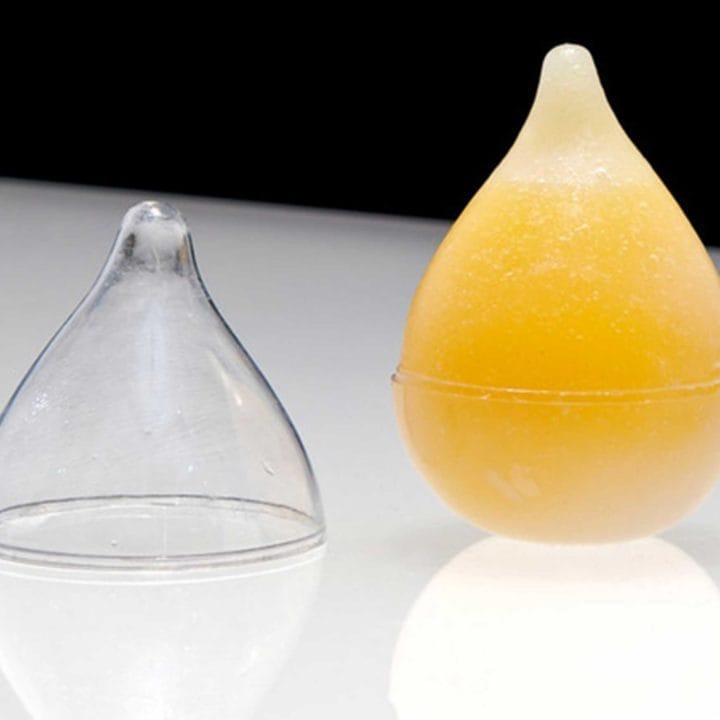
– Originally conceived as an experiment, Harvard professor David Edwards’ edible packaging allows consumers to consume a wide variety of foods with less waste. The Gelatine WikiCells membrane shell is an environmentally friendly alternative to conventional plastic packaging due to its natural ingredients such as alginate and chitosan, as well as its plant-based additives. By[...]

Learn more

MILK MaterialLab WikiCell David Edwards

Fungi Mutarium

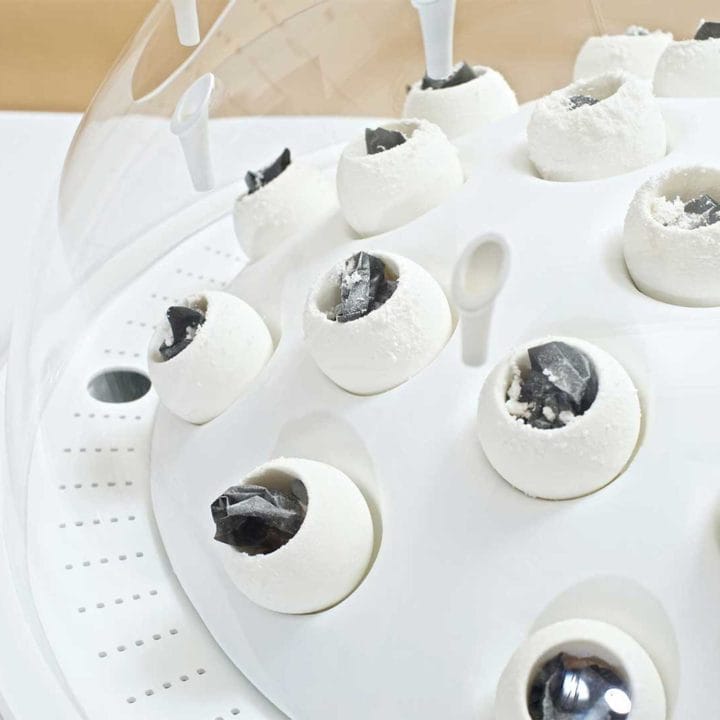
Plastic eating fungus – The prototype Fungi Mutarium enables the cultivation of a fungal biomass that is suitable for consumption, in addition to its amazing ability to degrade long-lasting plastic waste. Specially designed agar forms based on a mixture of starch and sugar, known as “FU”, serve as the nutrient base for the fungus. In shape they resemble[...]

Learn more

MILK MaterialLab Fungi Muratium

Cooking New Materials

Material from organic waste – The Cooking new materials project gives food waste such as banana or orange peel or soy milk a new function by transforming it into a leather-like material made from organic waste. The substance bonded with a natural binder to form a substrate has high resistance in contact with water. With their aesthetic design, the[...]

Learn more

MILK MaterialLab Biowaste Material younyang song

Mak-Pak

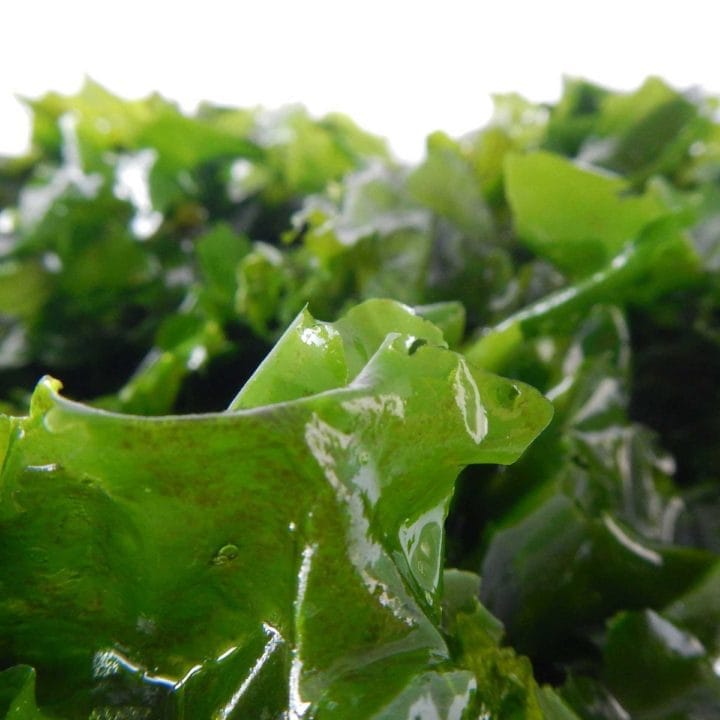
Packaging solution made from macroalgae – In collaboration with Bremerhaven University of Applied Sciences, Mak-Pak is a two-year scientific project with the aim of developing a sustainably produced, disposable and, if possible, edible packaging solution from macroalgae. The area of application is the serving of food in the out-of-home consumption as well as in the snack segment. The packaging here[...]

Learn more
MILK MaterialLab Mak Pak Nordsee

Milk Protein Packaging

Edible
Packaging
film made from milk proteins
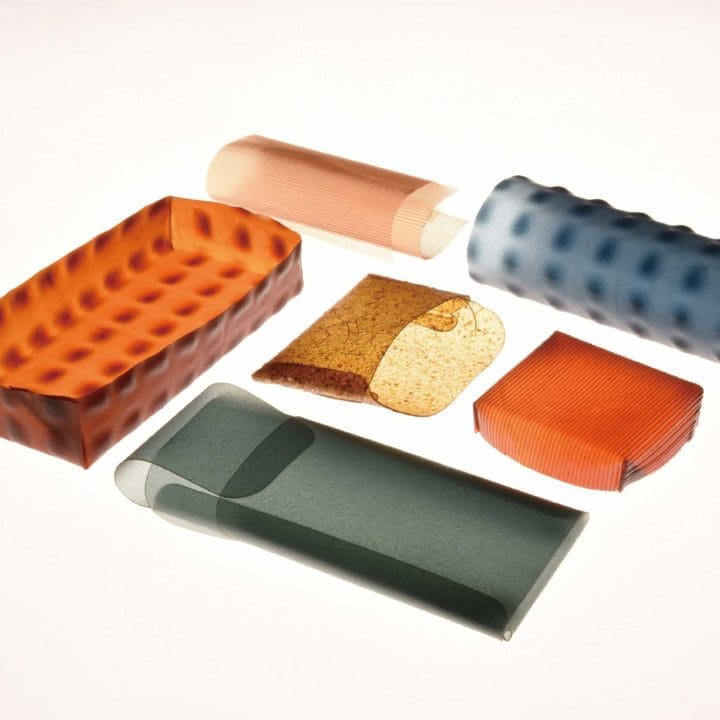
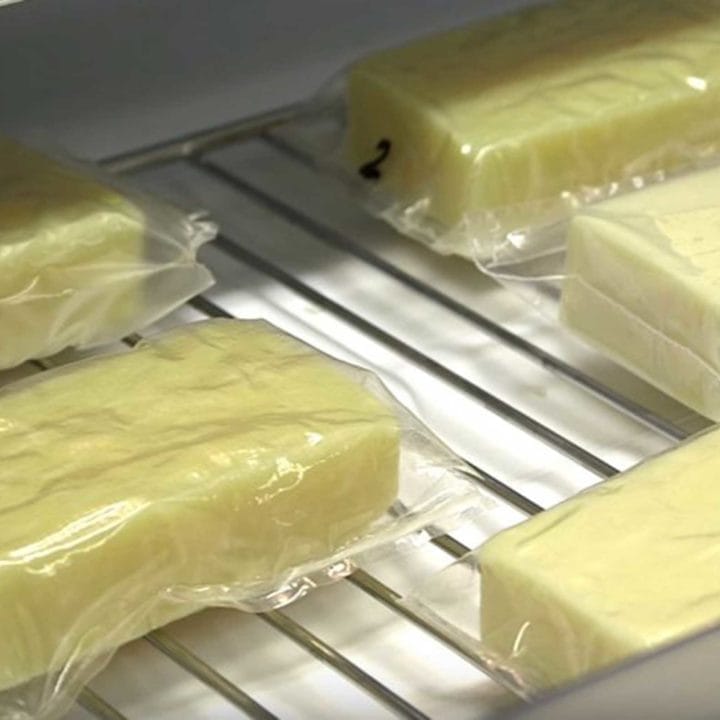
– As a natural component of milk, casein is involved in the formation of cheese or curd, i.e. in the solidification of these. Scientists in Peggy Tomasula’s research group at the American Chemical Society (ACS) have succeeded in using these proteins to create a net-like structure that allows the fabric – rolled out thinly and[...]

Learn more

MILK MaterialLab Milchprotein ACS

Wine Matters

Paper labels
made from wine marc
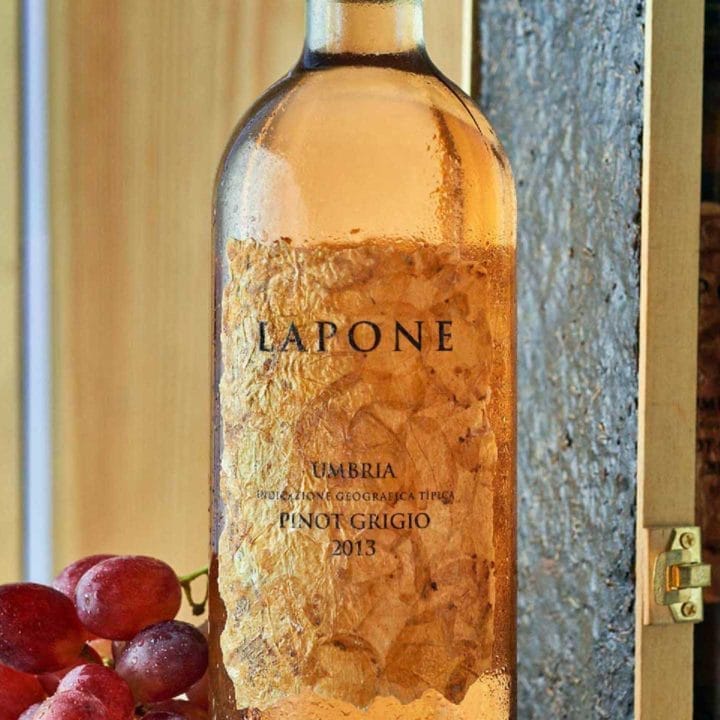
– With Wine Matters, Ludovica Cantarelli uses her family’s vineyards to explore how waste streams generated during winemaking can be better utilized and positively add to the final product. The solution: the reuse of grape marc. Through a new artisan process, the grape skins and branches become an aesthetic packaging for the wine. Pressing the[...]

Learn more