Chip[s] Board

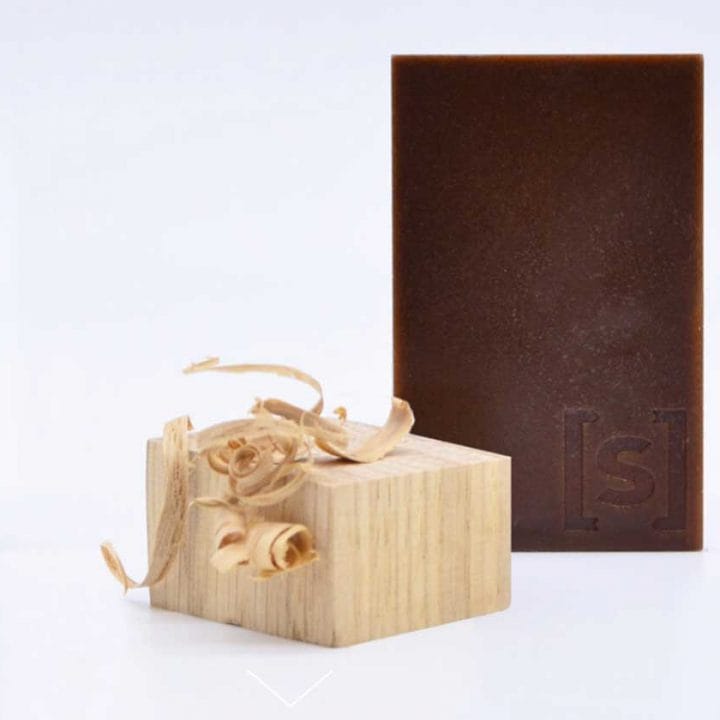
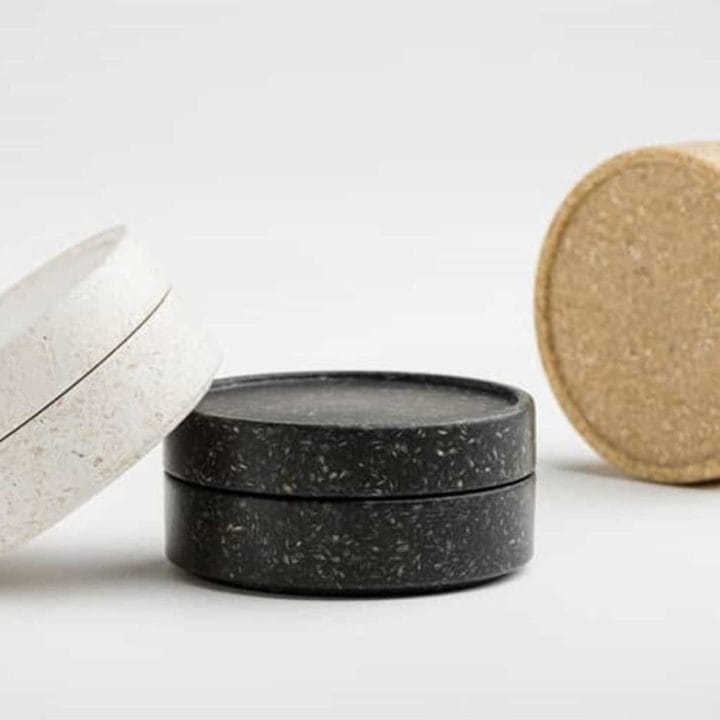
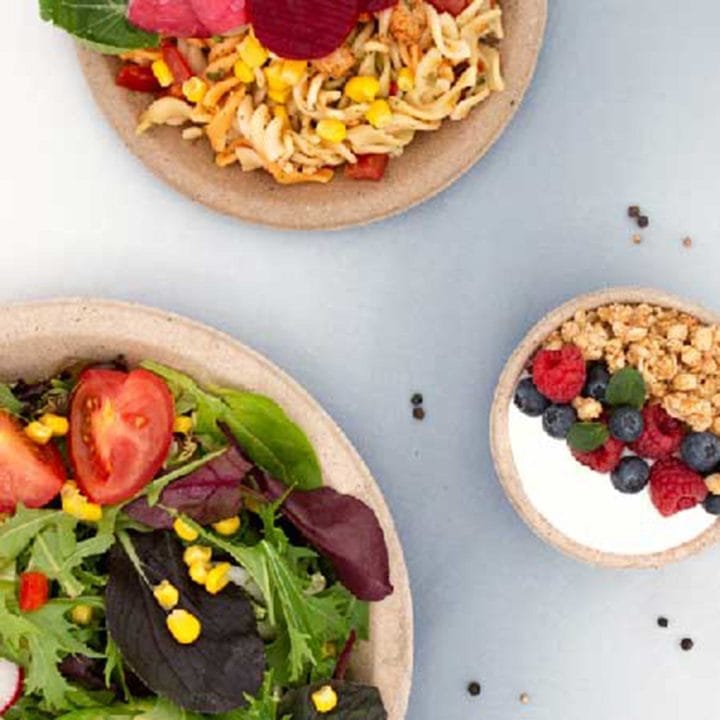
Material from potato scraps – Chip[s] Board ‘s company name already reveals its most important product component – potatoes. The company’s Parblex plastics [PBX] are created from the remains of potato processing, among other abundant resources. Chip manufacturers such as the Canadian producer McCain Foods take their waste to the respective production facilities where the fiber-reinforced bioplastics are produced.[...]

Learn more

MILK MaterialLab Chipsboard

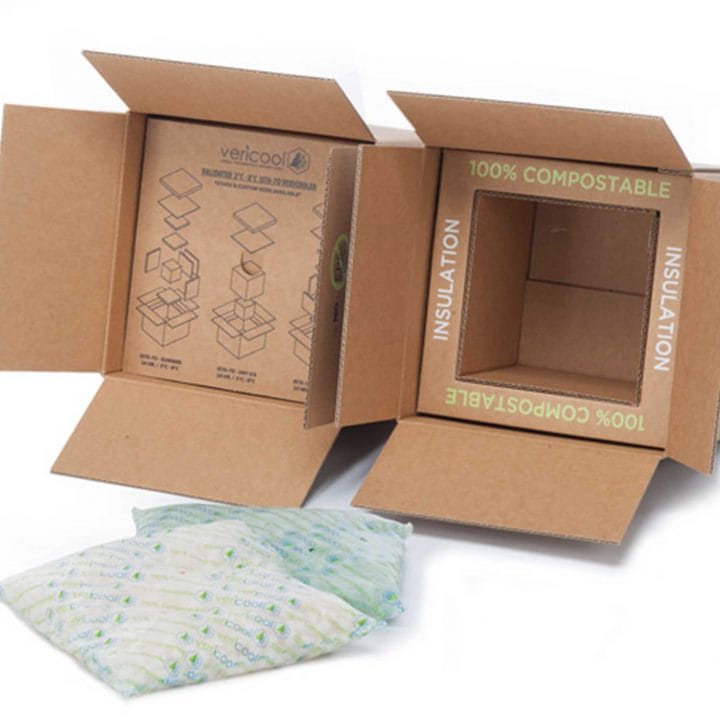
Vericool

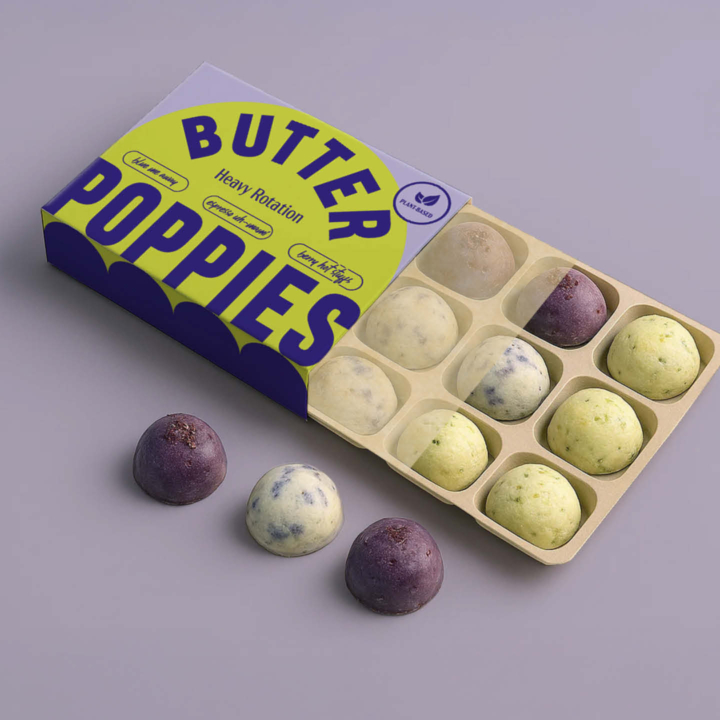
Sustainable thermal packaging – Since traditional Styrofoam containers are not biodegradable, Vericool® has developed various thermal designs that keep the contents at constant temperatures. The compostable insulation, consisting of renewable and already consumed materials, can be disposed of in the household compost after a long period of use, thus preventing ecological pollution. Vericool® is particularly suitable for transporting[...]

Learn more
MILK MaterialLab Vericool Thermopackaging MILK-MaterialLab-Vericool-Thermopackaging-3

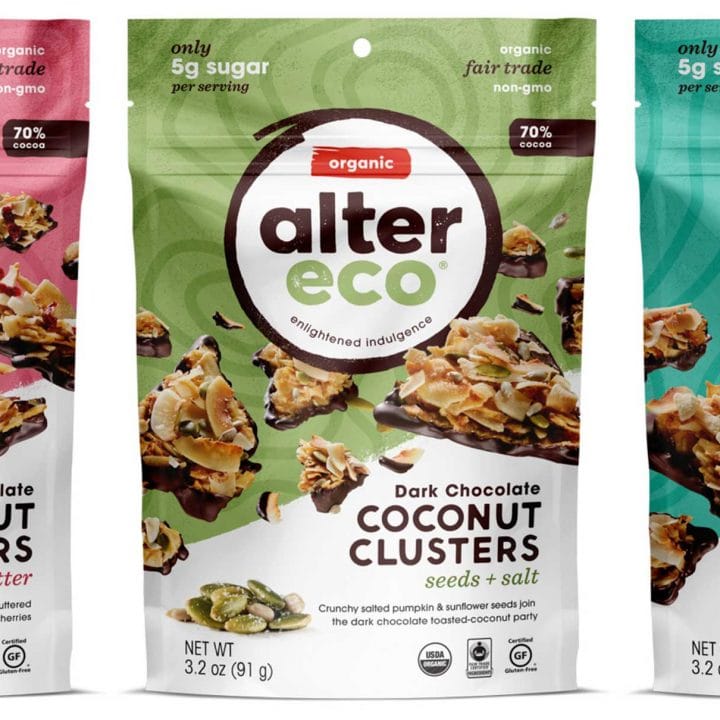
Alter Eco Foods

Compostable chocolate packaging – The aim of the American company Alter Eco Foods is to use packaging that is fully compostable in addition to Fair Trade Certified™ production of chocolate products. In order to keep the environmental impact in balance, the founders Mathieu Senard and Edouard Rollet rely on constantly evolving packaging processes. After years of development, Gone4Food[...]

Learn more

MILK MaterialLab Alterecofoods Mathieu Sonard Edouard Rollet

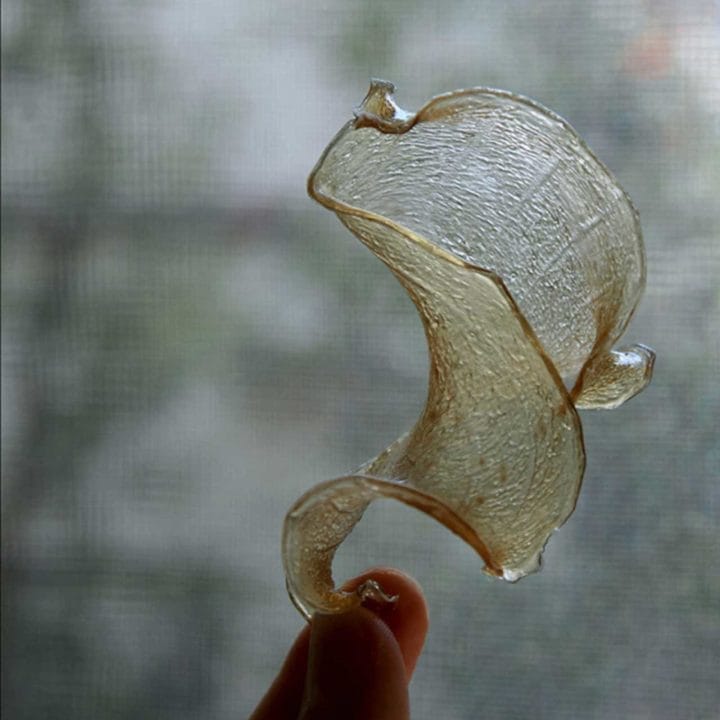
Agar Plasticity

Packing based on seaweed – Agar Plasticity is a materials research project investigating agar as an alternative to synthetic plastics. Agar is a traditional Japanese foodstuff that is often used to make sweets. However, it is also used worldwide in the scientific and medical fields. It is mainly sold in its driedstate in the form of blocks, flakes and[...]

Learn more

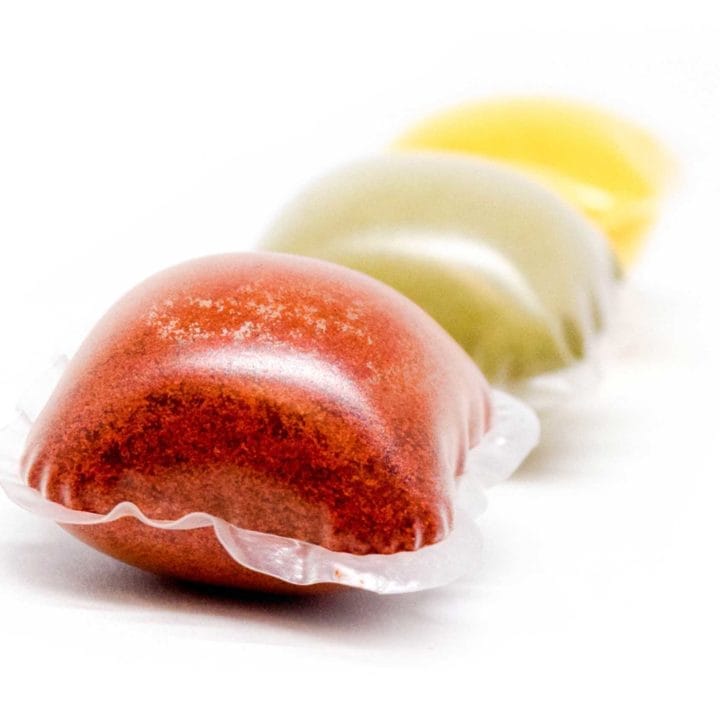
MonoSol

Water soluble film – The material of MonoSol, which is mainly used for the production of detergent pods, can be described as a water-soluble film. The application of the film with these pods offers on the one hand the advantage of easy dosage and on the other hand a dissolving of the film in a short time without[...]

Learn more

MILK MaterialLab MonoSol MonoSol

EcoPaXX

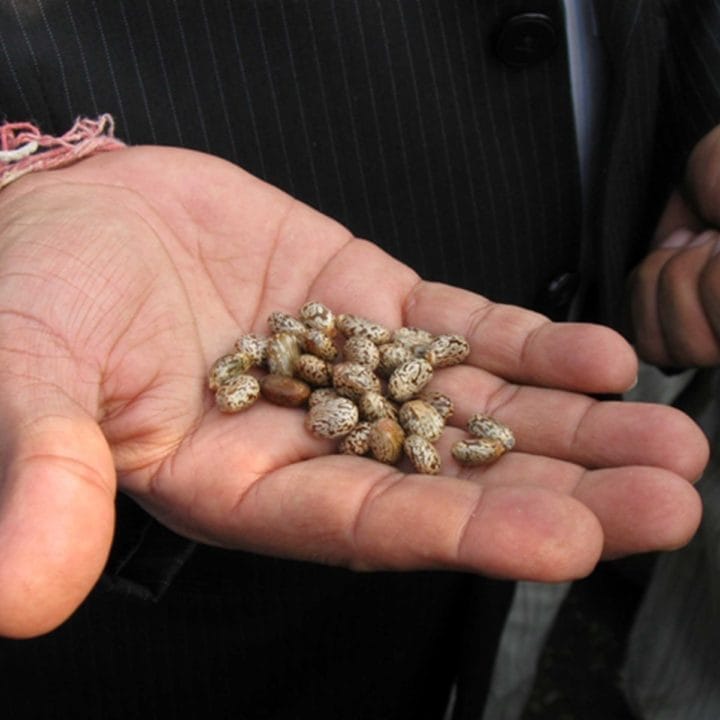
Biobased polyamide – EcoPaXX is an innovative high-performance plastic that represents a sustainable, bio-based and carbon-neutral packaging solution. Made up of 70% castor oil, the plastic offsets the amount of carbon emitted during manufacturing through the growth of the tropical castor plant. The polyamides are thus suitable in the food industry as well as in the textile[...]

Learn more

MILK MaterialLab EcoPaxx DSM Engineering Plastics

Oranges PET

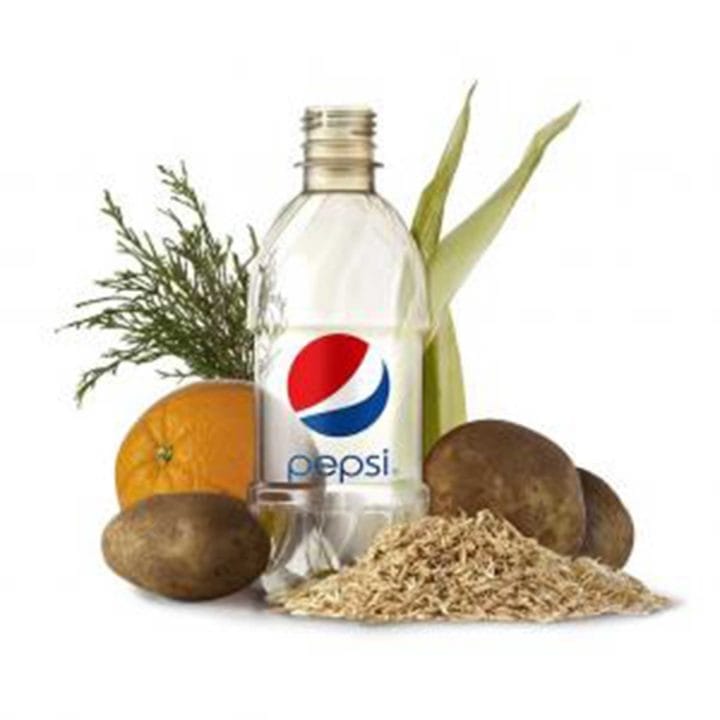
Bioplastic bottle made from orange peel – Made purely from plant-based materials, the “green” PET bottle was designed by Pepsi to offer consumers a fully recyclable alternative to traditional PET bottles. Renewable resources such as switchgrass, pine bark and orange peel serve as feedstock and enable the production of the bioplastic through a combination of chemical and biological processes. It also[...]

Learn more

MILK MaterialLab Orangen PET Pepsi

Bio-Flex

Bioplastic
for flexible film applications
– The bioplastic from Bio-Flex is basedpartly, and sometimes completely, on natural raw materials (e.g. corn, sugar cane or castor oil) and is therefore used for various film applications in the food industry. The certified biodegradability allows Bio-Flex to be used in the agricultural industry. Decomposable plant clips are thus a way to plow under[...]

Learn more

NEIGHBOR

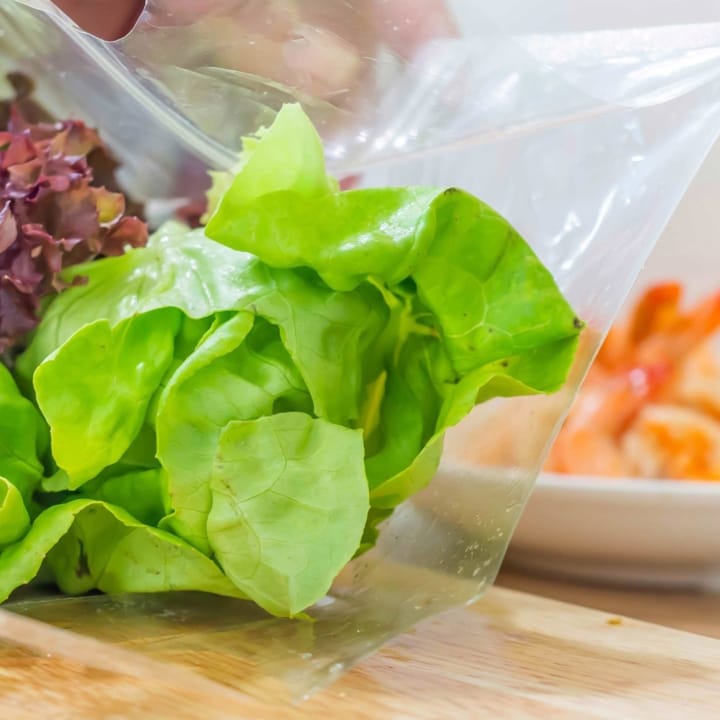
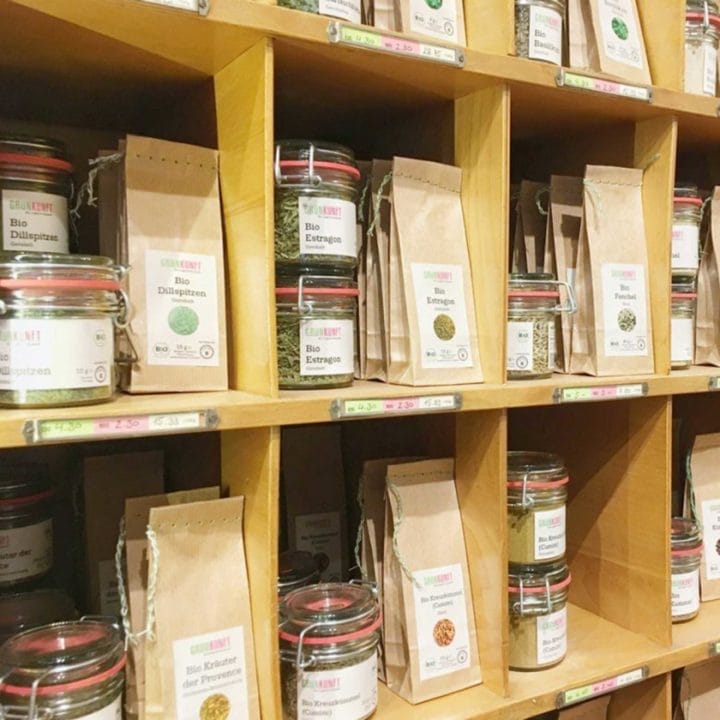
Wood cellulose compostable packaging – SUSTAINERS are 100% recyclable and fully compostable packaging solutions whose raw material is created from forestry cuttings. For material recovery, viscose (soluble) is first extracted from the pulp, which is filtered through a pouring nozzle and runs into a precipitation bath, after which a transparent film of pure regenerated cellulose is produced. The Grünkunft[...]

Learn more

Chicory plastic

Plastic from
chicory waste
– Chicory is known as a salad, less as a raw material for plastics. The root of the plant usually ends up in the composting plant. Only a fraction is used to produce biogas. Researchers at the University of Hohenheim have discovered the chicory root as a resource for obtaining hydroxymethylfurfural (HMF), one of the[...]

Learn more

MILK MaterialLab Chicorée Hochschule Hohenheim

Sulapac

Packaging
made from wood chips and biopolymers
– Sulapac® biodegradable packaging is based on a mixture of wood chips and bio-polymer. The material is increasingly used in the cosmetics industry. Sulapac® is produced by means of industrial composting, which does not require the use of any water or chemicals and is therefore a particularly environmentally friendly recycling process. With this innovation, Sulapac®[...]

Learn more

MILK MaterialLab Sulapac Sulapac

Bio-Lutions

Tableware from natural fibers – Only raw materials such as banana stems, bagasse and rice straw, which cannot be consumed as food and therefore do not require land use, are used for BIO-LUTIONS products. The disposable tableware and packaging solution are manufactured using a mechanical process that eliminates pulp extractions and bleaching. Thisefficient process saves on chemicals and water.[...]

Learn more