MarinaTex

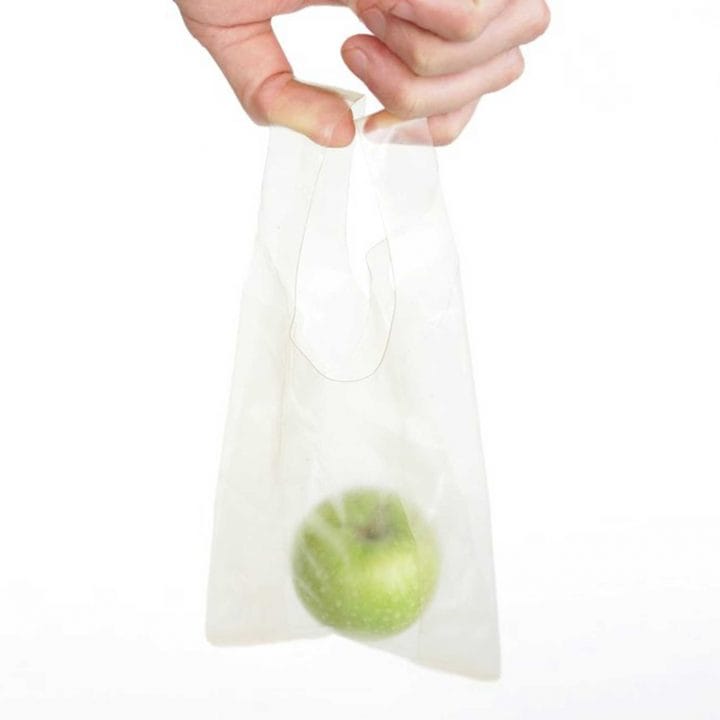
Innovative packaging substance from fish waste and red algae – Product design student Lucy Huges ‘ project at the University of Sussex involves developing a new type of packaging solution that is sustainable and biodegradable. Over 100 experiments required the material called MarinaTex, which consists of the agar of red algae and the proteins of fish waste. The natural raw materials of the oceans[...]

Learn more

MILK MaterialLab Marinatex Folie MILK-MaterialLab-Marinatex-Folie-2

Highlight Hemp

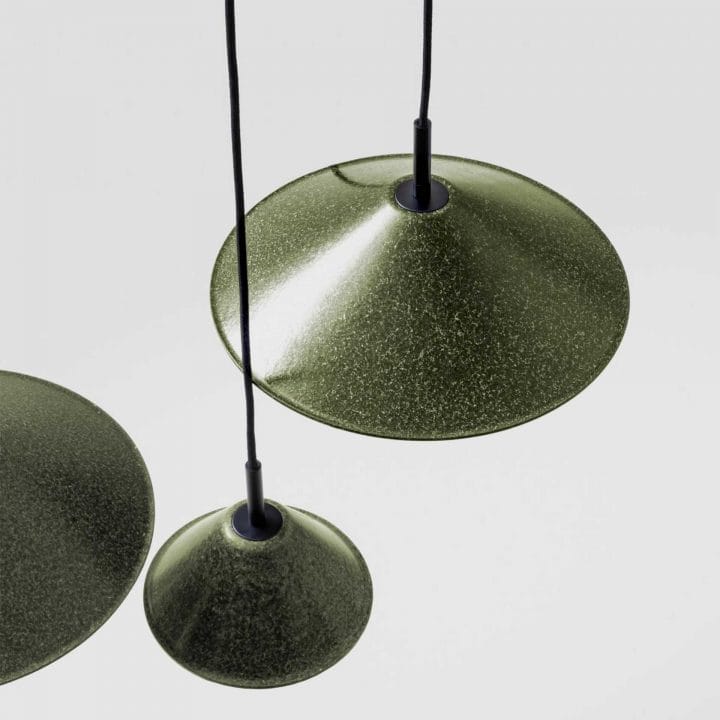
Luminaires from ecological remains – High Society Studio 5-piece lamp collection is produced exclusively from ecological leftovers. Materials are sourced from regional small businesses and processed using renewable energy. In the process, lights are created from hemp, tobacco, leftovers from viticulture or from hops as well as coffee residues. The Italian products are biodegradable and can easily be returned[...]

Learn more

MILK MaterialLab Highsocietystudio Leuchten MILK-MaterialLab-Highsocietystudio-Leuchten-6

KAIKU Living Color

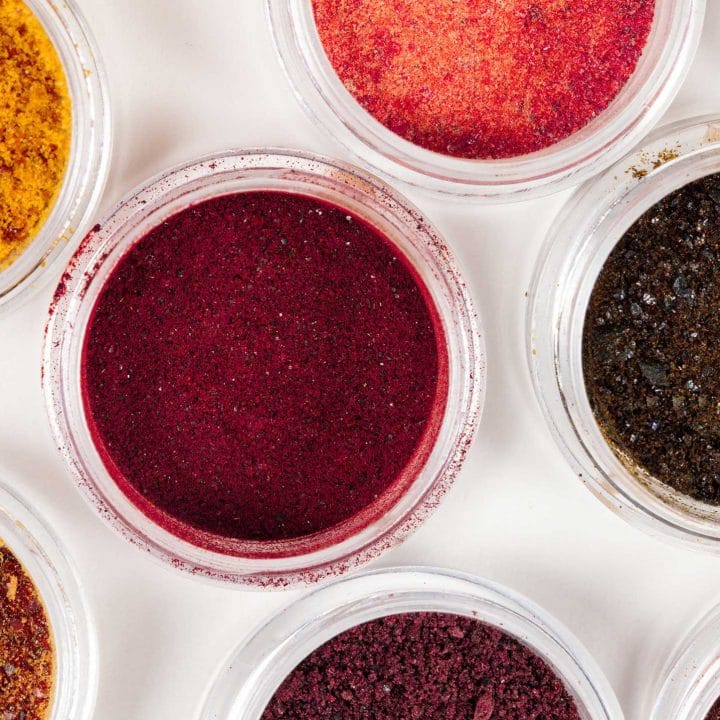
Colors from food bowls – KAIKU Living Color is a sustainable alternative to conventional paints made from petroleum. Using food trays from vegetables that have already been eaten offers a chemical- and toxin-free option for coloring materials. For the preparation of living colors are particularly suitable avocados, beet, onions and oranges. These are boiled so that first the juice[...]

Learn more

MILK MaterialLab Kaiku Living Color MILK-MaterialLab-Kaiku-Living-Color-5

Vericool

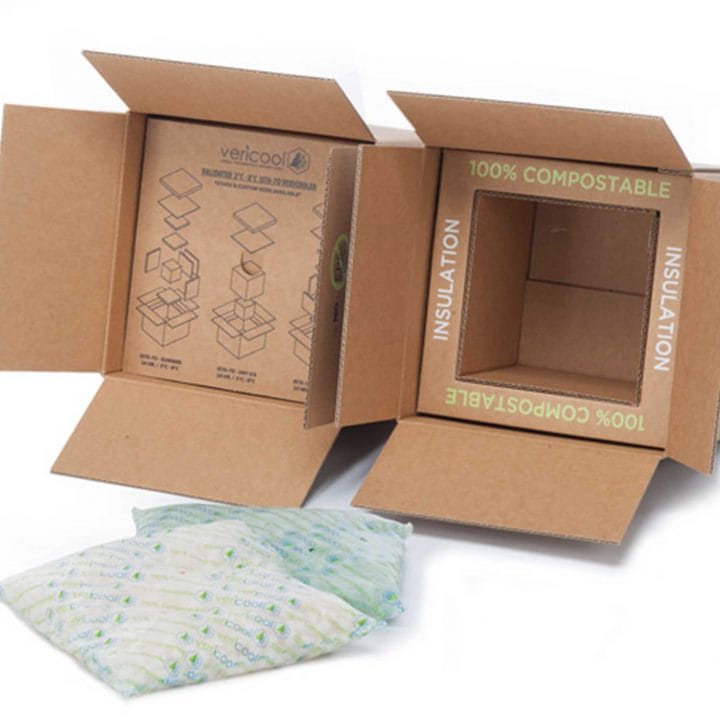
Sustainable thermal packaging – Since traditional Styrofoam containers are not biodegradable, Vericool® has developed various thermal designs that keep the contents at constant temperatures. The compostable insulation, consisting of renewable and already consumed materials, can be disposed of in the household compost after a long period of use, thus preventing ecological pollution. Vericool® is particularly suitable for transporting[...]

Learn more
MILK MaterialLab Vericool Thermopackaging MILK-MaterialLab-Vericool-Thermopackaging-3

Beeswax wipes

Alternative to aluminum and cling film – Driven by the idea of reducing their own need for plastic and disposable bags, the two Berliners Anna and Chelsea started making beeswax wraps. The space-saving and reusable method is lower in CO2 in its production compared to conventional reusable solutions such as jars. To make the beeswax cloths durable and biodegradable, a piece[...]

Learn more

MILK MaterialLab Wax Wrap Bienenwachstücher MILK-MaterialLab-Wax-Wrap-Bienenwachstücher-4

Banka

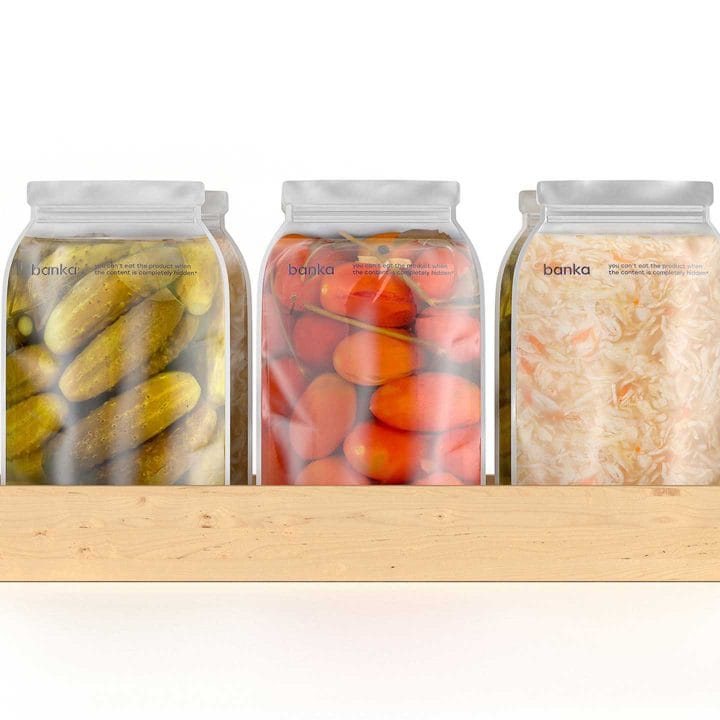
Packing with shelf life indicator – The concept by graphic designer and artist Alexander Cherkasov aims to preserve the shelf life of pickles, tomatoes or cabbage, for example, and to draw the consumer’s attention to a harmful development of the product by means of a discolored reaction surface. Once the deterioration of the food has occurred, the surface of the[...]

Learn more

MILK MaterialLab banka packaging Alexander Cherkasov

Piñatex

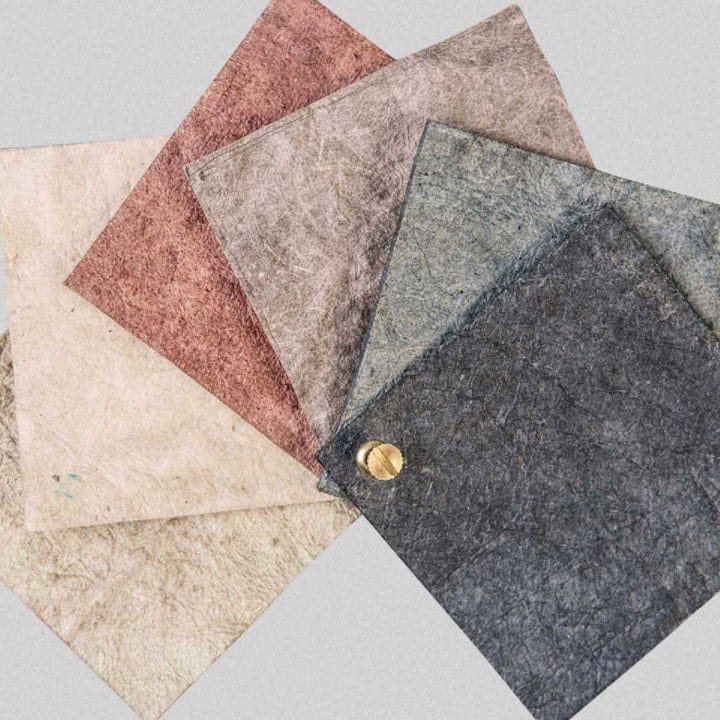
Leather from pineapple scraps – Piñatex® was developed by the British company Ananas Anam, a manufacturer of natural textiles from the by-products of the pineapple harvest. With her development, Dr. Carmen Hijosa not only wanted to give an unappreciated waste a use, but also to generate maximum benefit with the smallest possible ecological footprint. The cradle-to-cradle aspect was a[...]

Learn more

MILK MaterialLab Ananas Aman Piñatex Dr. Carmen Hijosa MILK-MaterialLab-Ananas-Aman-Piñatex-Dr.-Carmen-Hijosa-7

Alter Eco Foods

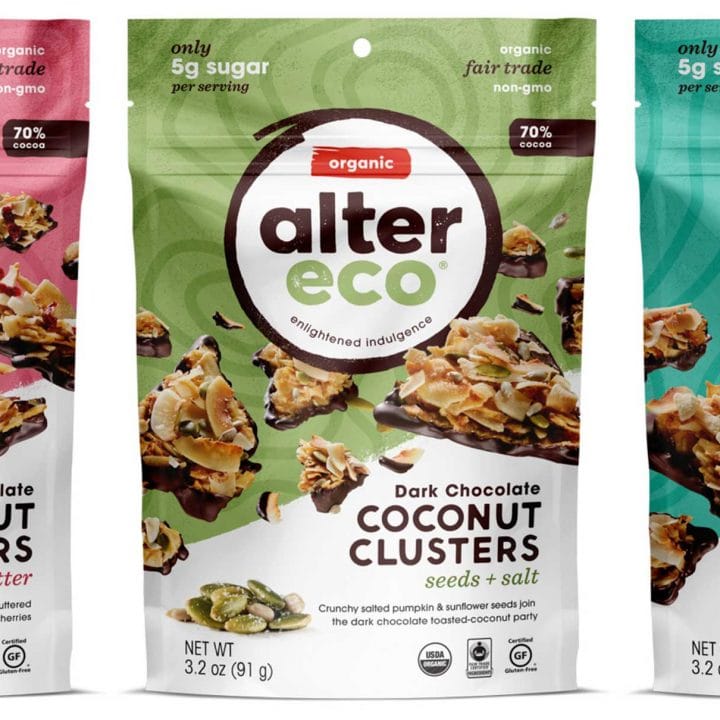
Compostable chocolate packaging – The aim of the American company Alter Eco Foods is to use packaging that is fully compostable in addition to Fair Trade Certified™ production of chocolate products. In order to keep the environmental impact in balance, the founders Mathieu Senard and Edouard Rollet rely on constantly evolving packaging processes. After years of development, Gone4Food[...]

Learn more

MILK MaterialLab Alterecofoods Mathieu Sonard Edouard Rollet

Coconut Water Leather

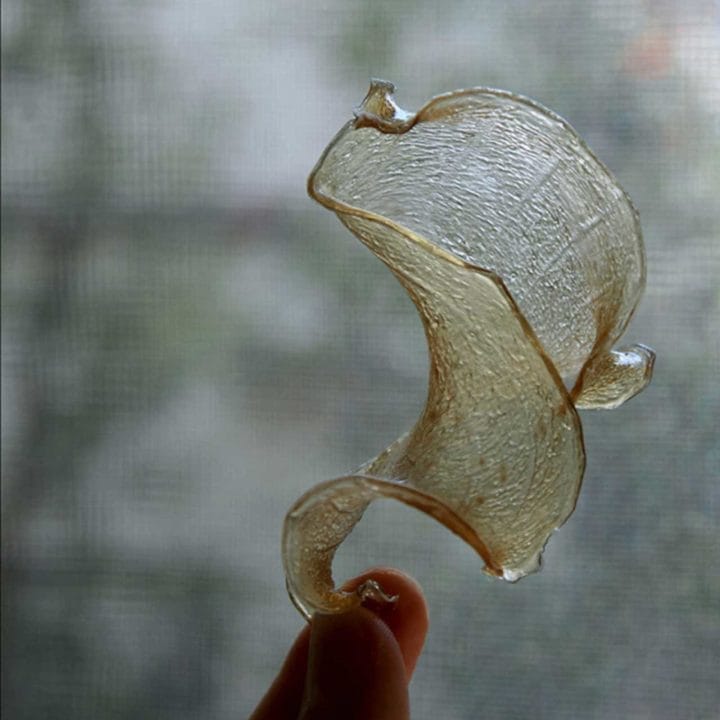
Leather from coconut water – To produce the biodegradable and waterproof coconut water leather, the coconut water, which is a waste product from coconut processing, is sterilized. The natural substance obtained from this serves as a nutrient for the bacterial culture in the subsequent 12 – 14 day fermentation process. Once the process is complete, the leaf cellulose jelly[...]

Learn more

Agar Plasticity

Packing based on seaweed – Agar Plasticity is a materials research project investigating agar as an alternative to synthetic plastics. Agar is a traditional Japanese foodstuff that is often used to make sweets. However, it is also used worldwide in the scientific and medical fields. It is mainly sold in its driedstate in the form of blocks, flakes and[...]

Learn more

naturesse

Disposable tableware
made from organic raw materials
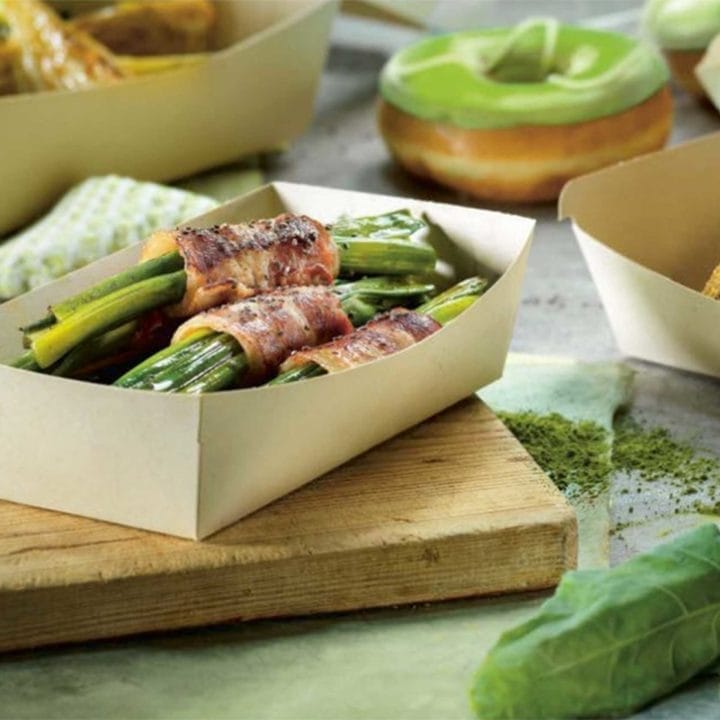
– With naturesse, Pacovis produces sustainable disposable tableware and packaging that is plastic-free and 100% biodegradable. The materials processed for naturesse are based on renewable raw materials from the agricultural industry or on rapidly renewable plant-based raw materials such as bamboo. The focus is on a sensible appreciation of fossil resources – with the intention[...]

Learn more

MILK MaterialLab Naturesse Pacovis

Styrofoam decomposing mealworms

Plastic-eating organisms – While mealworms normally feed on wheat bran, biologists at Stanford University and Peking University have given them polystyrene – a form of plastic foam – instead. Mostly, this material is used for polystyrene packaging, yogurt pots or cable insulation. In a test experiment, the worms ate the material completely – approx. 40 mg per[...]

Learn more

MILK MaterialLab Mehlwürmer Frauenhofer Institut