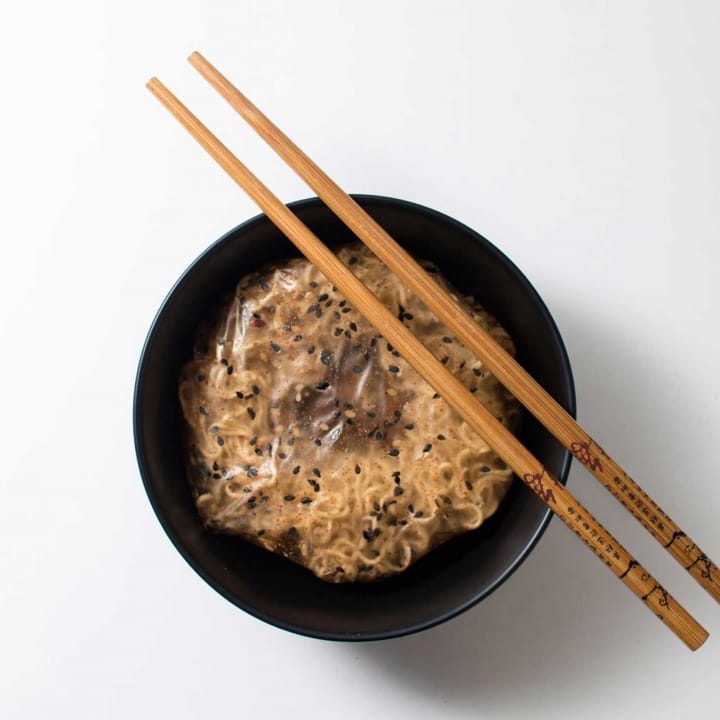
Dissolvable Noodle Packaging

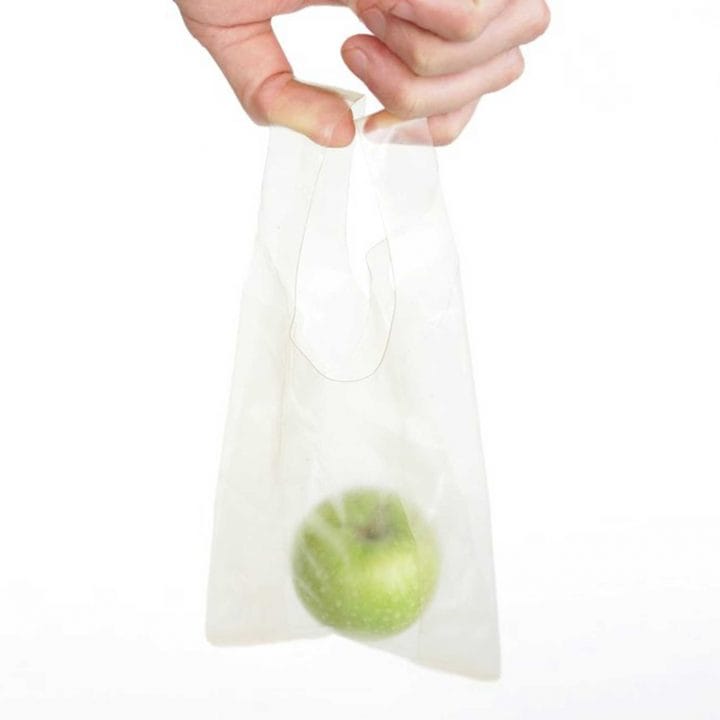
Edible packaging film for pasta – Instant ramen noodles – the epitome of student food. The quick meal was also a regular fixture on the menu of Holly Grounds, who studied product design in London. Confronted with the mountains of waste and the environmental impact of the delicious snack’s packaging, however, the environmentally conscious Grounds faced an immense imbalance: In[...]

Learn more

Coffin Alley Project

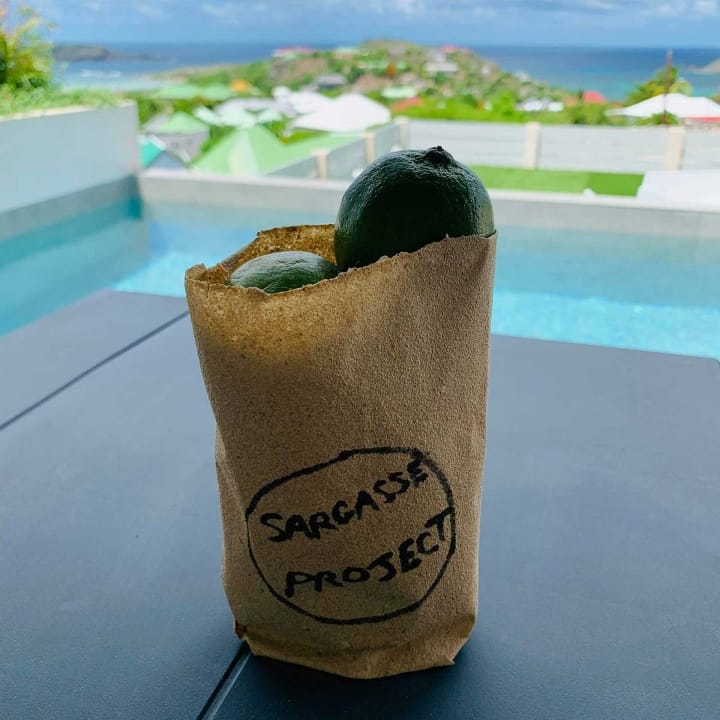
Paper and cardboard from algae – Sargassum algae were originally found only in the northeastern Atlantic Ocean. For several years, however, the population of the microalga has been moving southward, infesting the entire Atlantic Ocean, the Gulf of Mexico, and the west coast of Africa as an invasive species. The native marine ecosystem is negatively affected by the algae. Species[...]

Learn more

EcoFLEXY

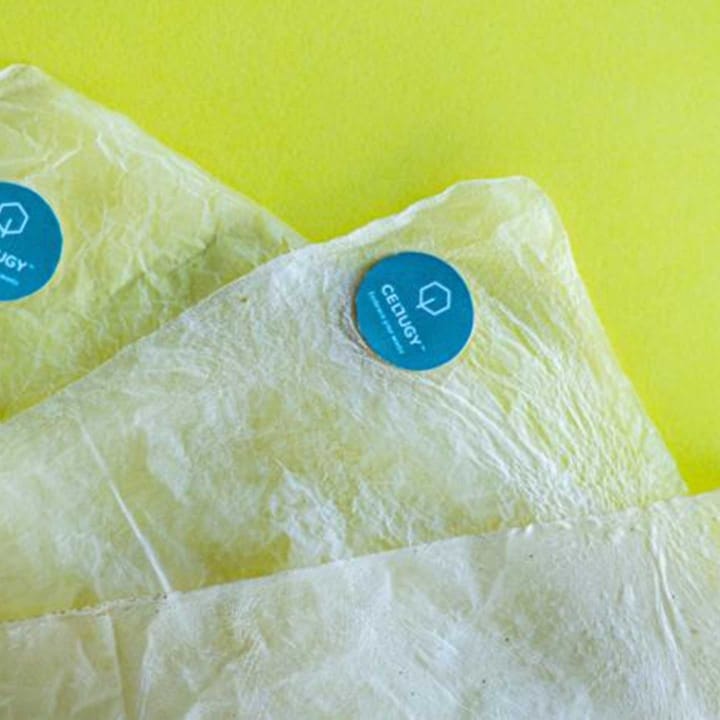
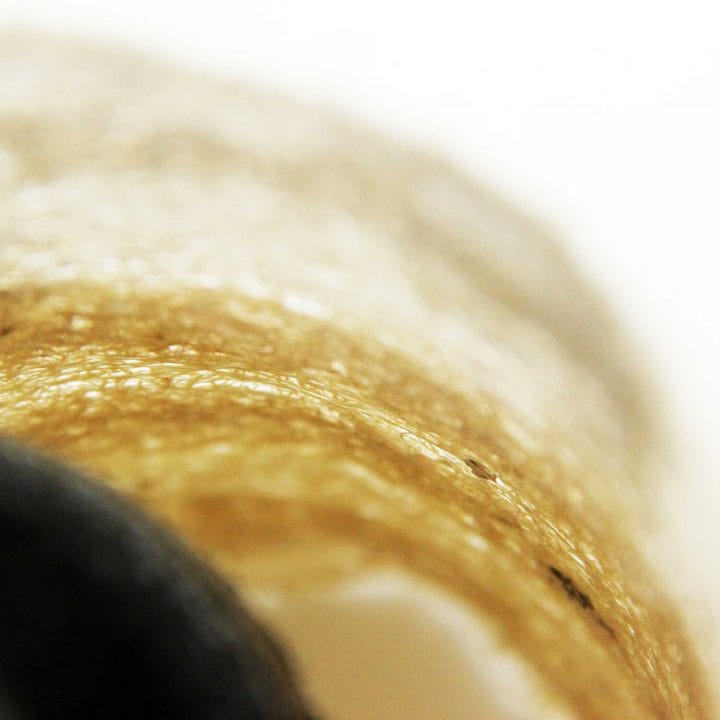
Bio-cellulose materials – CELLUGY is a Danish-based start-up company that develops sustainable materials through biotransformation. The company has developed EcoFLEXY – a water-based nanocellulose suspension obtained through the fermentation of sugar by specific microorganisms. The material does not come from fossil sources and is fully biodegradable and compostable (at room temperature). Compared to its fossil-based alternatives, it[...]

Learn more

Natural Packaging for Natural Products

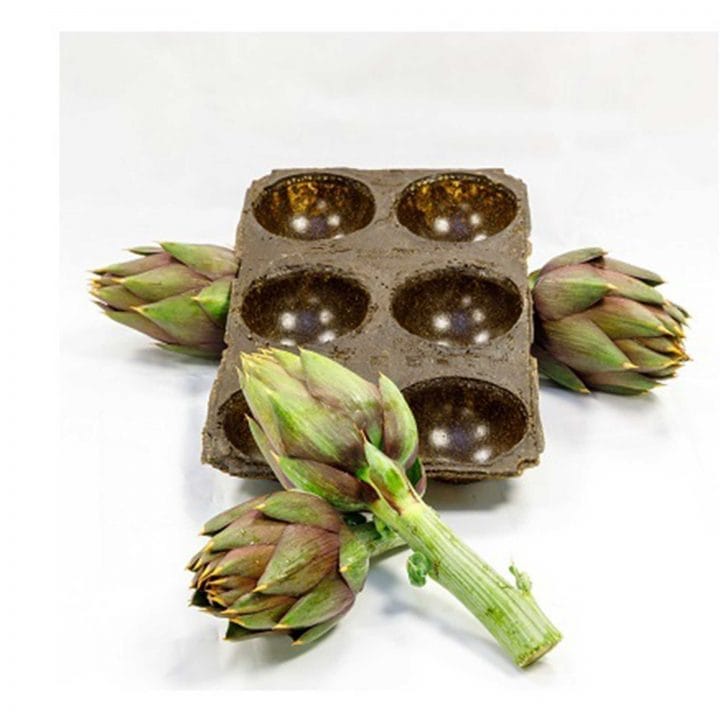
Vegetables as packaging – While all over the world new materials are being developed to replace plastic packaging in the fight against environmental pollution, the Uzbek agency Synthesis creative lab has gone its own way – and taken inspiration from the country’s history. For centuries, hollowed-out, dried fruits of the langeria, a plant of the cucurbit family, have[...]

Learn more

Cheer Project

Bio-composite
material made from pine needles
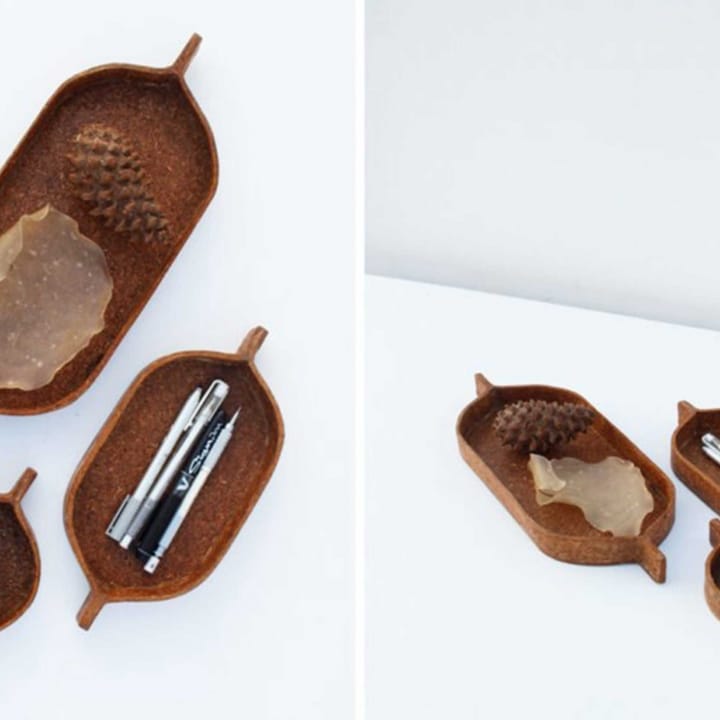
– The Cheer Project is a research on pine needles in which the abundant, mostly unwanted material was developed into a 100% bio-based, recyclable and compostable bio-composite material. Through a holistic approach, the Cheer Project’s production process unleashes the dormant potential of pine needles while empowering local communities by creating livelihood opportunities for them. The[...]

Learn more

Marine bottle

PET bottle with marine plastic content – Coca-Cola presents a beverage bottle that contains plastic waste from beaches and the sea. This bottle is only a sample for now – currently no retail sale is planned. But this is the first time marine plastic has been successfully recycled into a food-grade bottle. The proportion of this material in the finished bottle[...]

Learn more

Trebodur

Secondary packaging from spent grains – TREBODUR is produced exclusively from spent grains, a waste product of beer production. The proteins contained bind the brewing residues to form a homogeneous woody material. Therefore, it is ideal for short-lived products, such as disposable packaging, which can be composted very well (even in home composting systems). The proteins contained in the residues[...]

Learn more

CHAMU Tea packaging

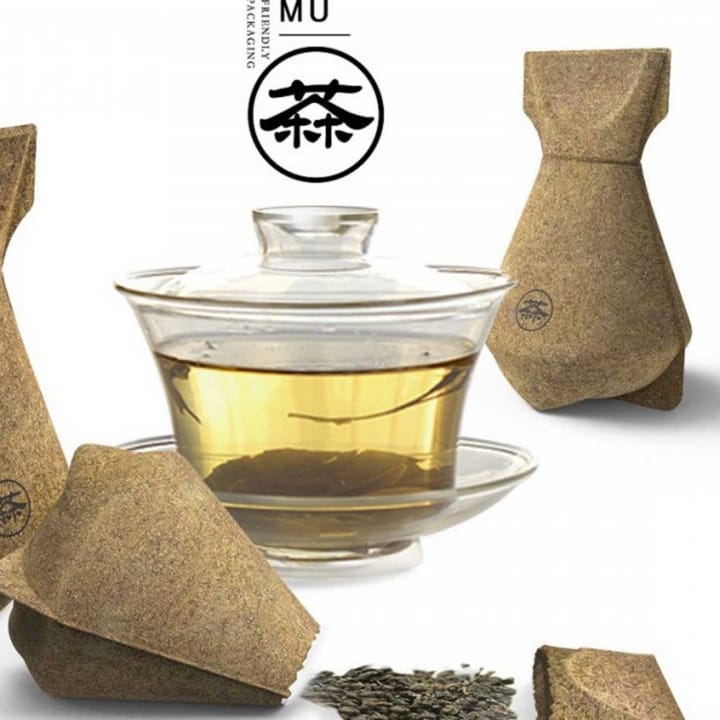
Packaging made from by-products of tea cultivation – The material innovation CHAMU was developed at Kyushu University in Fukuoka, in the tea country of Japan. The name of the newly developed material already hints at both the basic material and its future use, as CHAMU is made up of the Chinese phonetic spelling for tea and wood. The stalks, which are a[...]

Learn more

Smart Materials – Bioplastics

Bioplastic from food scraps – The “Smart Materials” research team at the Istituto Italiano di Tecnologia in Genoa uses food scraps to make a bioplastic. To do this, they studied plant waste products such as cocoa pod shells, rice husks, and vegetables that were pulverized for use in vegetable drinks and colored pasta. Depending on the properties of the[...]

Learn more

MILK MaterialLab SmartMaterials EdibleVegetableWasteBioplastics Alumni

Changhua

Loofah bottle packaging – During a stay in Taiwan, designer Dorian Etienne developed a bottle packaging made from a regional product, the pumpkin plant “loofah”. The natural fibers obtained from them multiply quickly and have high durability. Since the spongy pumpkin has shock-absorbing properties, the material is particularly suitable for transport packaging. Thanks to the loofah material, the[...]

Learn more

MILK MaterialLab Changhua Dorian Etienne

Pinepac

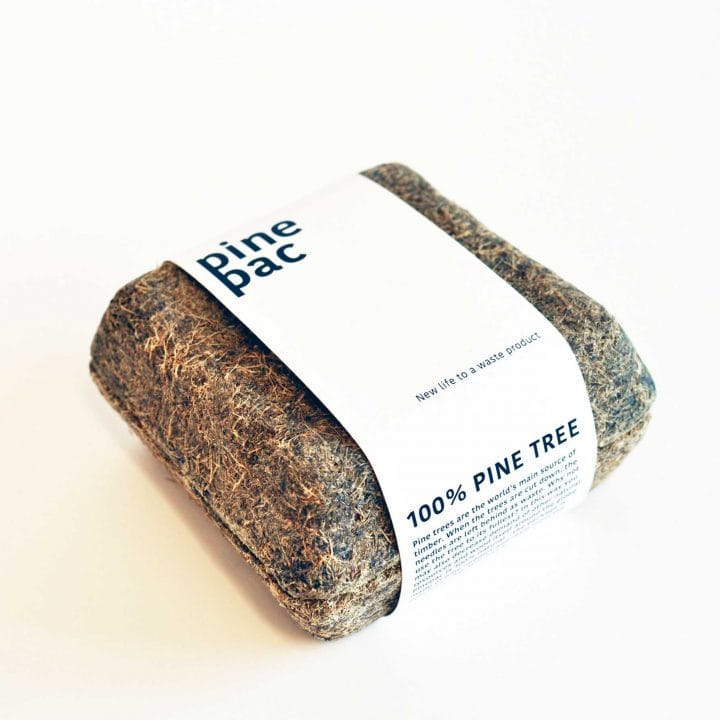
Packing From Pine Needles – Pinepac, the winner of the 2017 International Packaging Contest in the Material category, is a package made of pine needles and resin. To produce them, the plants are crushed and mixed with the organic binder resin. The resulting mixture is then pressed into molds, which consist of salt, flour, sunflower oil and water. Subsequent[...]

Learn more
MILK MaterialLab PinePac Lina Petersson Arina Pauli MILK-MaterialLab-PinePac-Lina Petersson-Arina Pauli-4

MarinaTex

Innovative packaging substance from fish waste and red algae – Product design student Lucy Huges ‘ project at the University of Sussex involves developing a new type of packaging solution that is sustainable and biodegradable. Over 100 experiments required the material called MarinaTex, which consists of the agar of red algae and the proteins of fish waste. The natural raw materials of the oceans[...]

Learn more

MILK MaterialLab Marinatex Folie MILK-MaterialLab-Marinatex-Folie-2