Ponto Biodesign

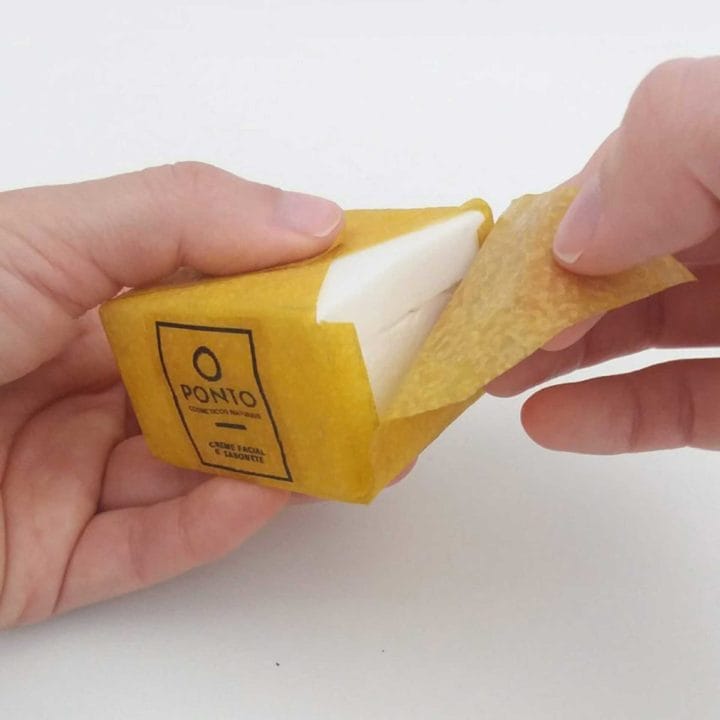
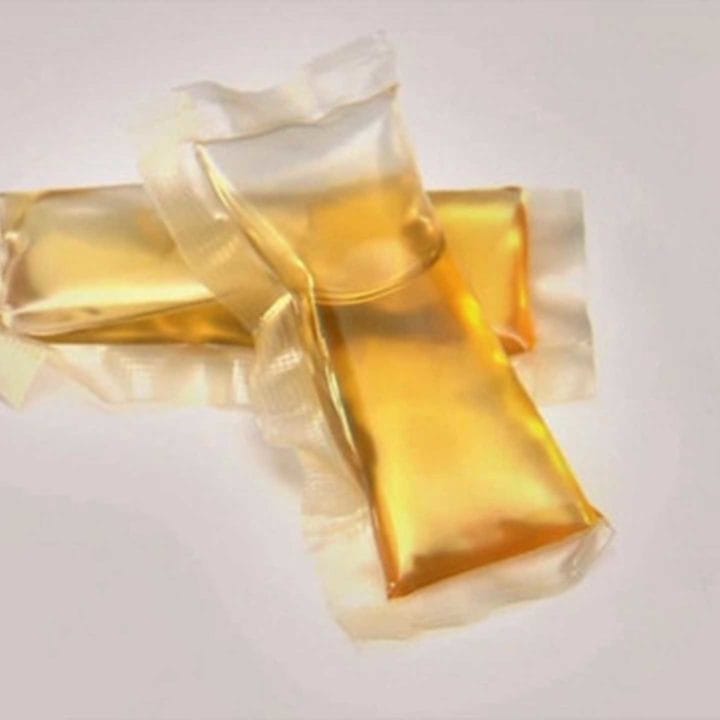
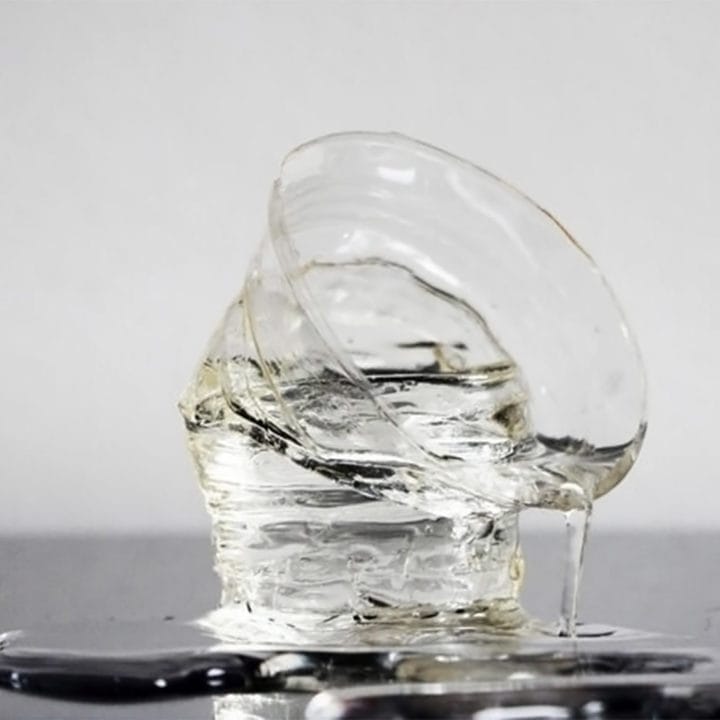
Bacterial cellulose film – Ponto Biodesign offers a sustainable alternative to plastic-based packaging materials. It is obtained from a mixture consisting of water, bacterial and yeast cultures (scoby), which – spread on a smooth surface and dried – produces a bacterial cellulose film with paper-like properties. On contact with water, the material develops an adhesive effect that can[...]

Learn more

MILK MaterialLab Ponto Biodesign Elena Amato

PVOH films

Water soluble films – The water-soluble and fully biodegradable PVOH films are versatile due to their high strength and resistance to oil and grease. They also excel in their positive hygienic properties as well as their economical dosage. Due to their solid material properties, the non-toxic and skin-friendly films are ideal for use in food packaging. Their decomposition[...]

Learn more

MILK MaterialLab PVOH-Folie Sokuful

AgriPlast

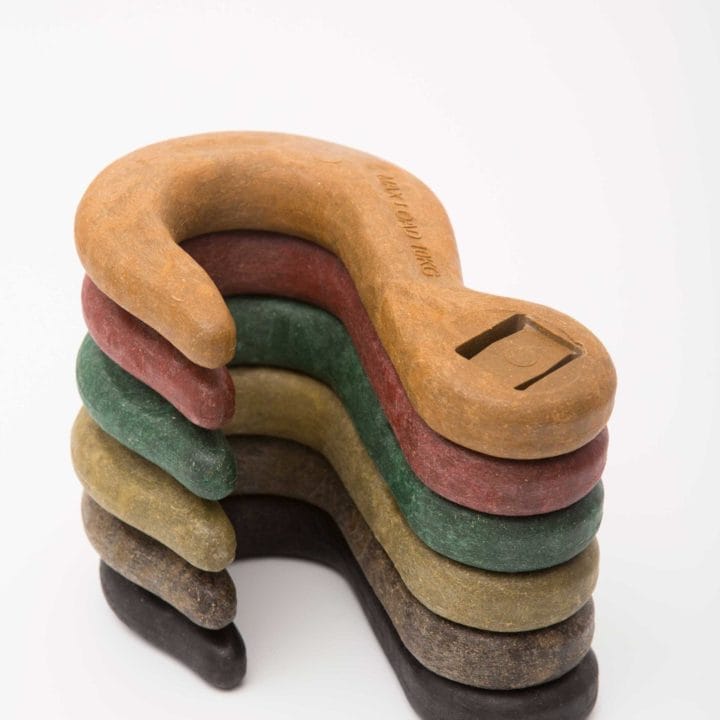
Cellulose plastic cup – AgriPlast consists of up to 75 % cellulose, which is obtained from regional meadow grass. This is embedded in a thermoplastic matrix, which can be made of recycled materials, PP, PE, PCL or biodegradable plastics. It has a finely grained, natural-looking surface and can be dyed to any color, just like plastic. The substance[...]

Learn more
MILK MaterialLab Agriplast Biowert

Naku Bio Bag & PLA Bottle

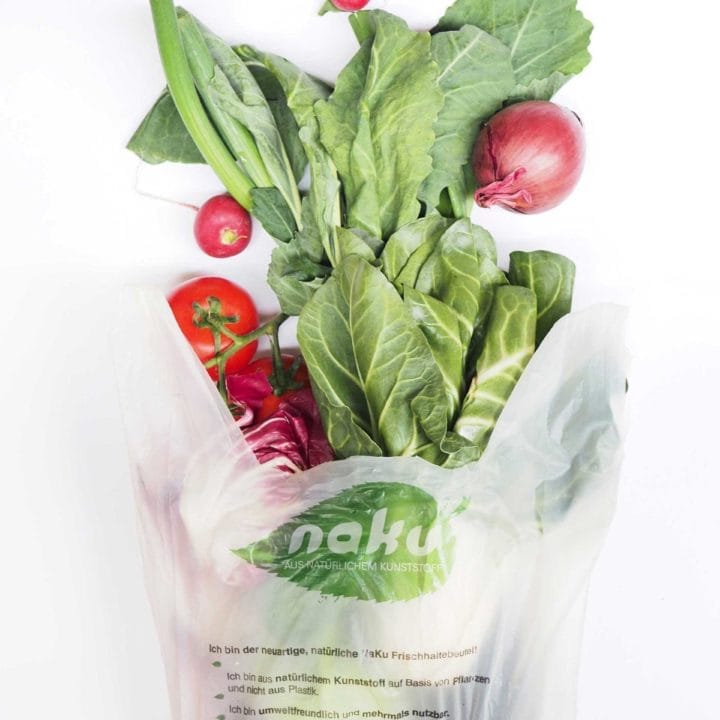
Biodegradable carrier bags & bottles – NaKu Bio-Bag (carrier bag) The compostable bag, made from natural plastic, is an alternative to traditional plastic bags made from corn starch and the waste from sunflower hulls. The NaKu company succeeded in processing the large quantities of leftovers from the food industry into plastic-free and environmentally friendly products. The resulting sacks were produced[...]

Learn more

SUPERHALM

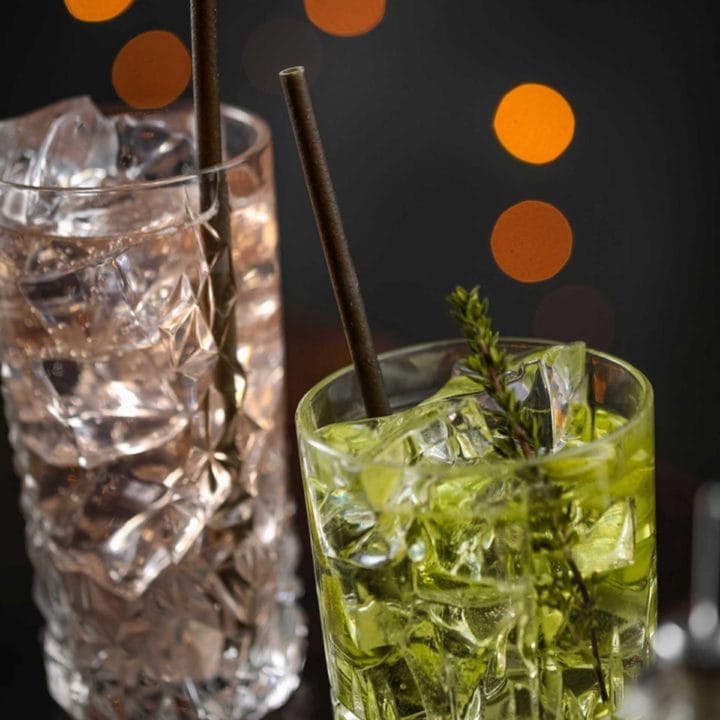
Edible drinking straw – The German company Wisefood has realized the mission of a plastic-free drinking straw with its SUPERHALM. The edible SUPERHALM, made from natural ingredients, wants to put an end to the mass of disposed plastic drinking straws. Because over a billion of them are thrown away every day. In addition to fruit fibers and cereals,[...]

Learn more

MILK MaterialLab Superhalm Wisefood

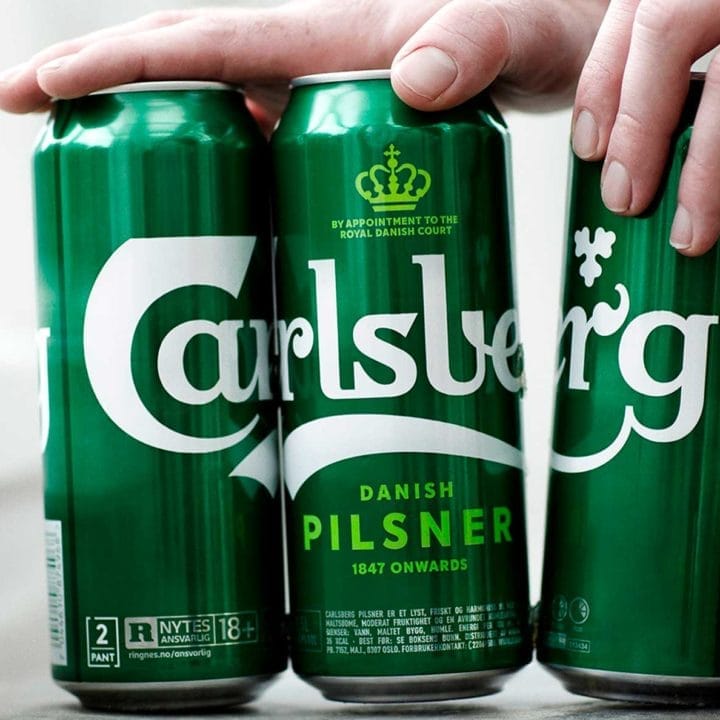
Snap Pack – Nature Multipack

Less material consumption due to optimized adhesive – The “Snap Pack” packaging solution introduced by the Carlsberg Group as part of the “Together Towards ZERO” sustainability program is a glued can multipack that requires no secondary packaging. A specially developed adhesive was developed with the aim of reducing the Group’s global plastic consumption by 1,200 tons per year. The adhesive is strong[...]

Learn more

MILK MaterialLab SnapPack Nature Multipack Carlsberg

Ingeo biopolymer

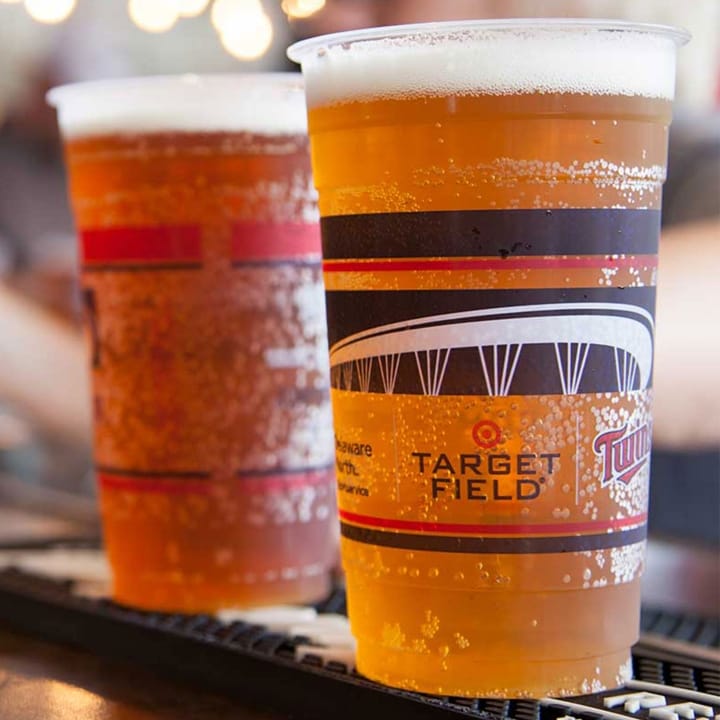
Disposable packaging made from Ingeo-PLA – Polylactide from Natureworks – known under the brand name Ingeo biopolymer – is a biopolymer produced from the polymerization of lactic acid, which in turn is obtained from the fermentation of plant-based sugars. Accordingly, Ingeo biopolymer PLA is a material that generates 80% less greenhouse gases in its production and, with its transparent nature,[...]

Learn more

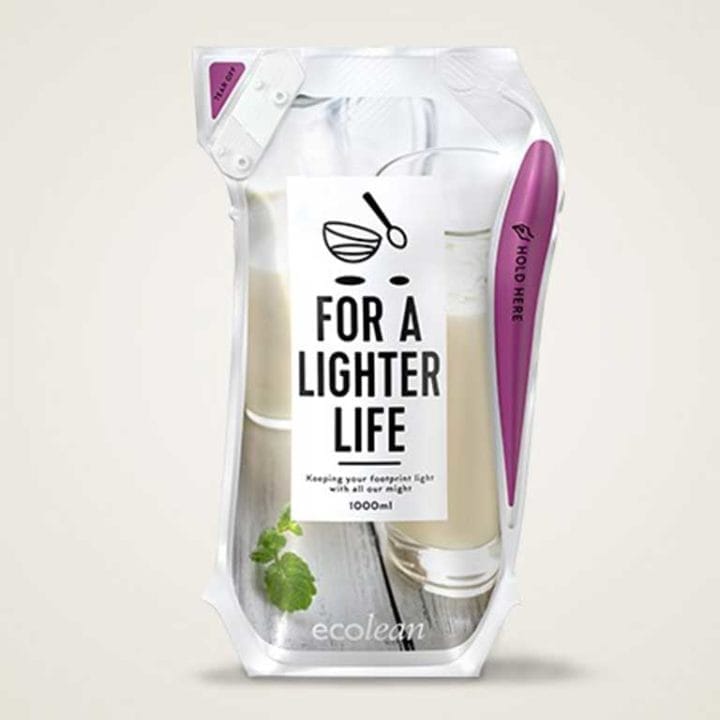
Ecolean

Chalk & Polymer Food Liquid Packaging – Ecolean ‘s lightweight material consists of recyclable plastic (PE and PP) and up to 35% chalk (calcium carbonate). The ingredients of this thin plastic film not only guarantee lightweight packaging, but also reduce the environmental impact and optimize the transport weight. The bag weighs just 16g. The disposal efficiency of thismultilayer remains open. Product[...]

Learn more

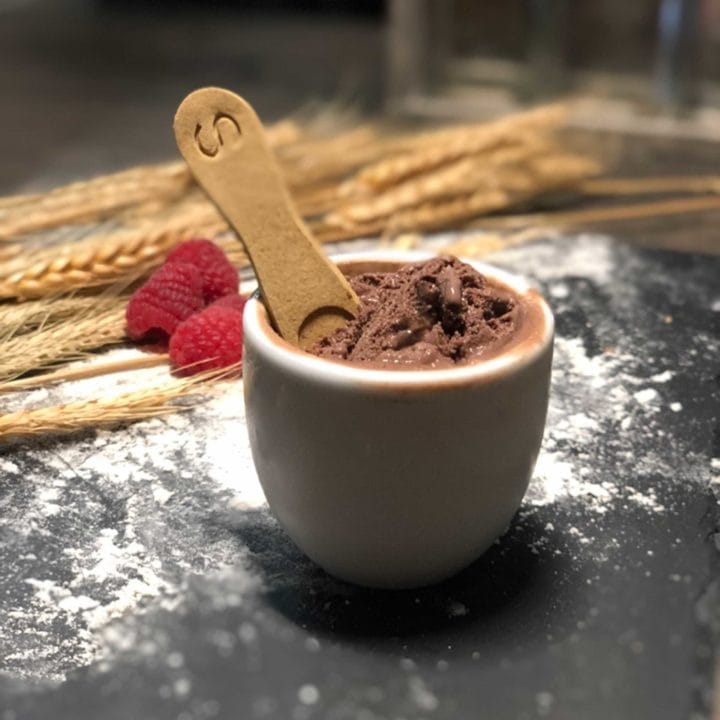
Spoonie

Sustainable ice cream spooning – With its cookie-like ingredients, the edible ice cream spoon “Spoonie” is not only a tastier but also a more environmentally friendly alternative to the traditional plastic spoon. Sturdy and chocolaty spoon lasts an hour in ice cream or desserts before dissolving. The secret ingredient is not the usual chocolate, but the fibers of the[...]

Learn more

Super Synthetics

Dissolvable rice starch drinking vessel – With the Super Synthetics project, a drinking vessel based on natural materials was developed by Maria Idicula Kurian as her master’s thesis at Central Saint Martins College. Various ingredients such as rice pepper, potato starch and bacterial cellulose were experimented with and used in the project. If liquid is added to the drinking vessel,[...]

Learn more