Styrofoam decomposing mealworms

Plastic-eating organisms – While mealworms normally feed on wheat bran, biologists at Stanford University and Peking University have given them polystyrene – a form of plastic foam – instead. Mostly, this material is used for polystyrene packaging, yogurt pots or cable insulation. In a test experiment, the worms ate the material completely – approx. 40 mg per[...]

Learn more

MILK MaterialLab Mehlwürmer Frauenhofer Institut

Brill Food Printer

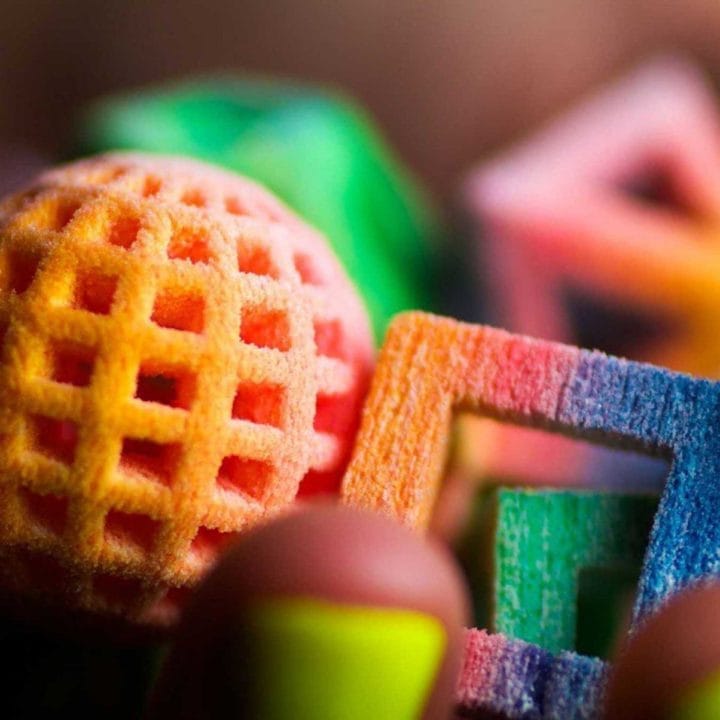
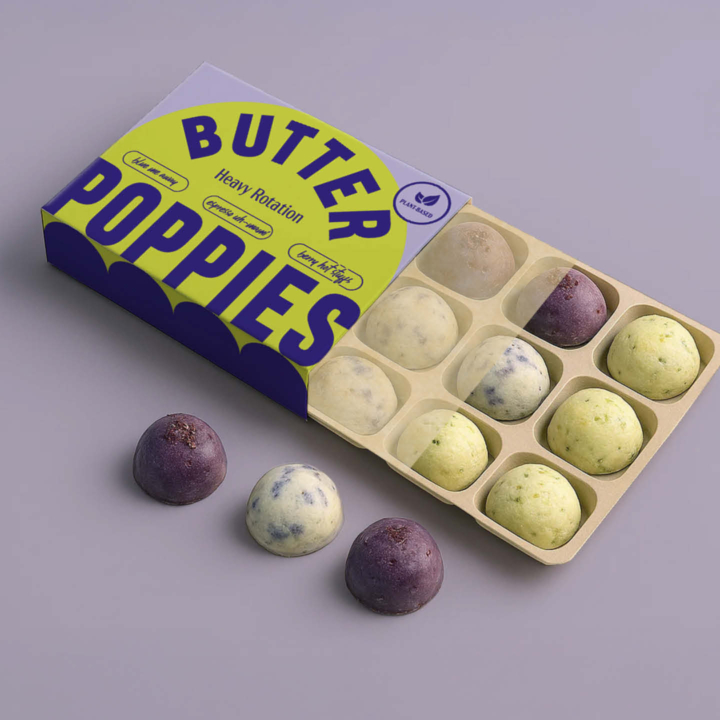
Culinary products from the printer – The Brill Food Printer enables a variety of culinary shapes and colors with its food-grade 3D printing technology. Using this innovative technology, chefs can produce visually unusual creations for confectionery, garnishes or figurines in different sizes. The result of cooperation between the companies Brill Inc. and 3D Systems, as well as various chefs, focuses[...]

Learn more
MILK MaterialLab Brill Food printer 3DSystems

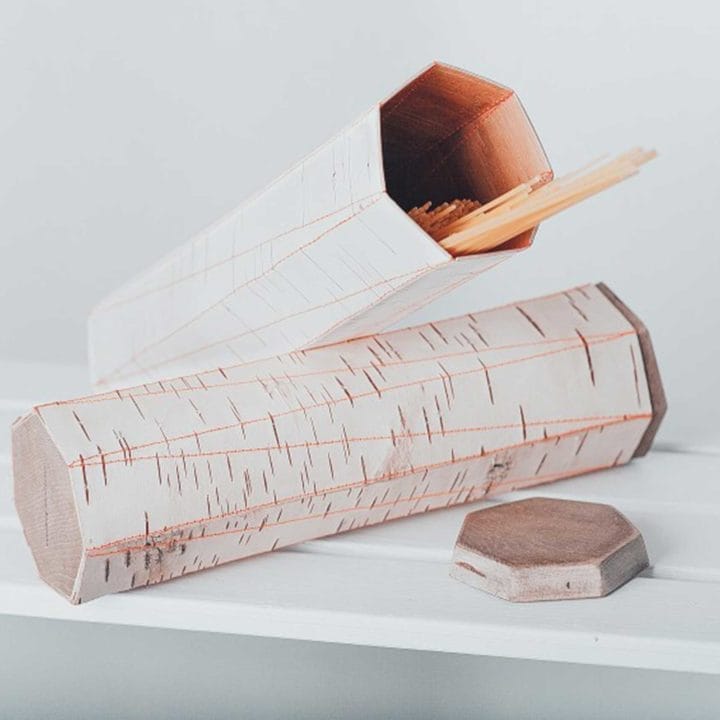
Tuesa

Birch bark antiseptic containers – Anastasiya Koshcheeva’s storage boxes “Tuesa” are truly unique due to the natural birch bark and regional cedar wood. The oils contained in the natural materials ensure a long freshness of the stored food. The modern design was developed and handmade in Siberia. The aesthetic and practical focus is especially on the birch bark, which[...]

Learn more

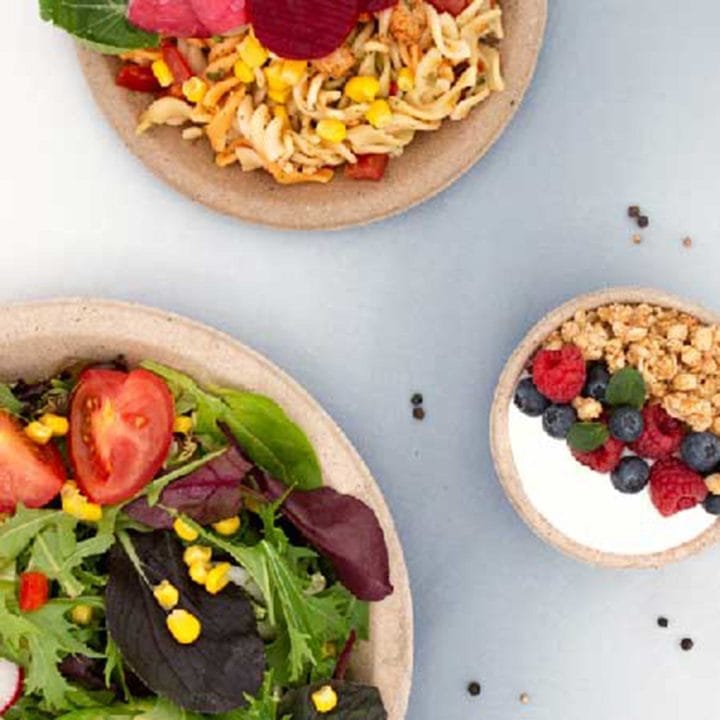
Bio-Lutions

Tableware from natural fibers – Only raw materials such as banana stems, bagasse and rice straw, which cannot be consumed as food and therefore do not require land use, are used for BIO-LUTIONS products. The disposable tableware and packaging solution are manufactured using a mechanical process that eliminates pulp extractions and bleaching. Thisefficient process saves on chemicals and water.[...]

Learn more

Cooking New Materials

Material from organic waste – The Cooking new materials project gives food waste such as banana or orange peel or soy milk a new function by transforming it into a leather-like material made from organic waste. The substance bonded with a natural binder to form a substrate has high resistance in contact with water. With their aesthetic design, the[...]

Learn more

MILK MaterialLab Biowaste Material younyang song

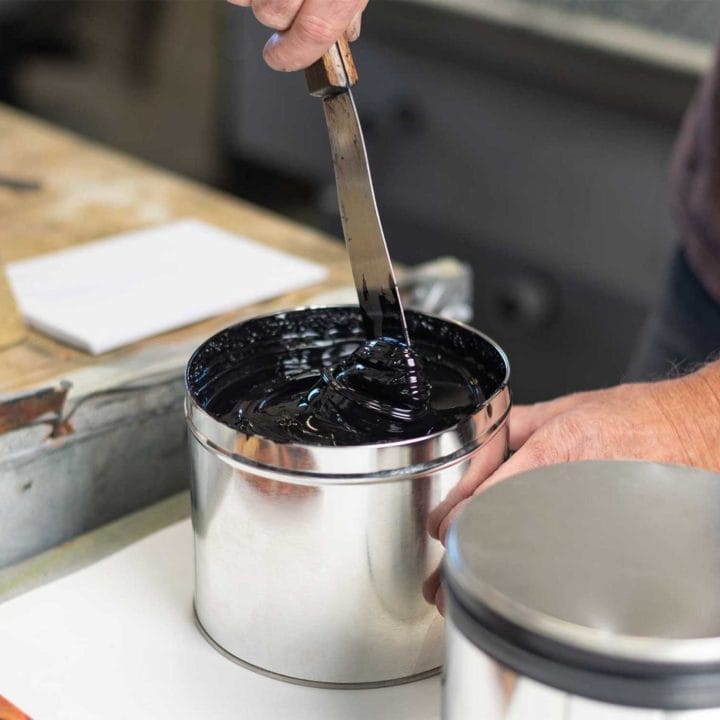
Algae Offset Ink

Printing ink based on algae – This algae-based printing ink replaces petroleum-derived pigments used in conventional offset printing inks. The project was carried out jointly by the Patagonia brand and the company Living Ink. After a successful test run, 8000 brochures were printed on a 100% PCW recycled paper. Living Ink. has been working on algae ink since 2013 and[...]

Learn more

MILK MaterialLab Algae Offset Ink Cast Iron

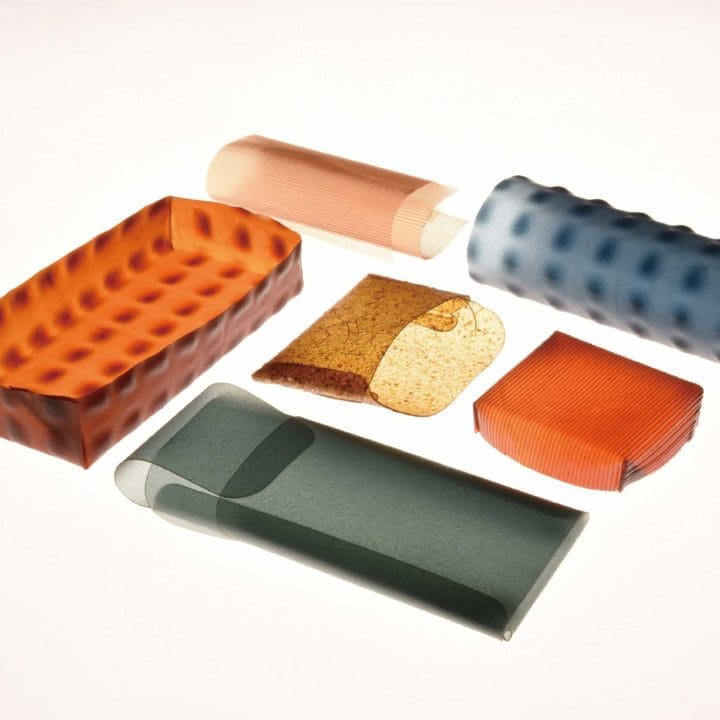
Ponto Biodesign

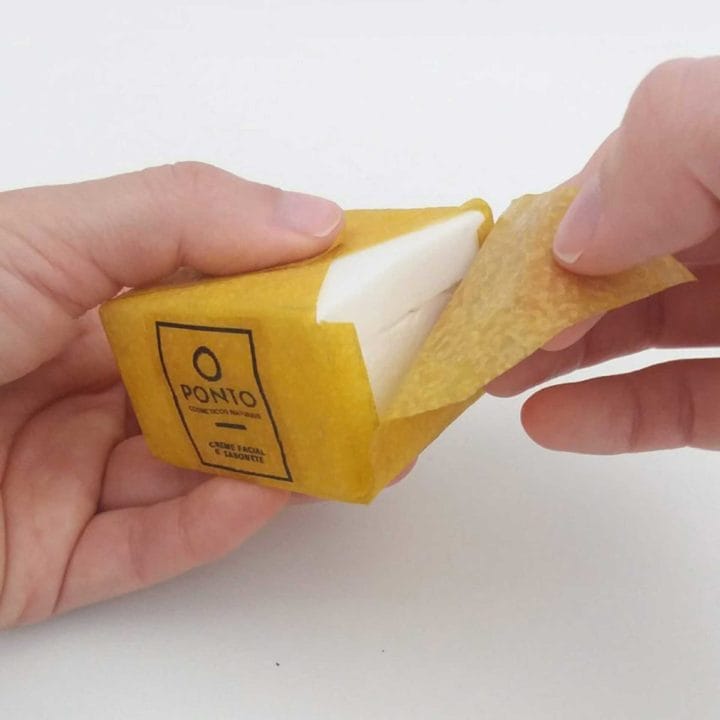
Bacterial cellulose film – Ponto Biodesign offers a sustainable alternative to plastic-based packaging materials. It is obtained from a mixture consisting of water, bacterial and yeast cultures (scoby), which – spread on a smooth surface and dried – produces a bacterial cellulose film with paper-like properties. On contact with water, the material develops an adhesive effect that can[...]

Learn more

MILK MaterialLab Ponto Biodesign Elena Amato

Lactips

Milk edible packaging film – Lactips is an edible plastic made from milk protein and produced in the form of pellets. Production is based on an industrial process that enables rapid production in large quantities. The thermoplastic, water-soluble pellets dissolve in both hot and cold water. Lactip offers barrier properties against oxygen, fats and mineral oils. It can be[...]

Learn more

MILK MaterialLab Lactips Lactips

Ooho

Edible
Sip of water
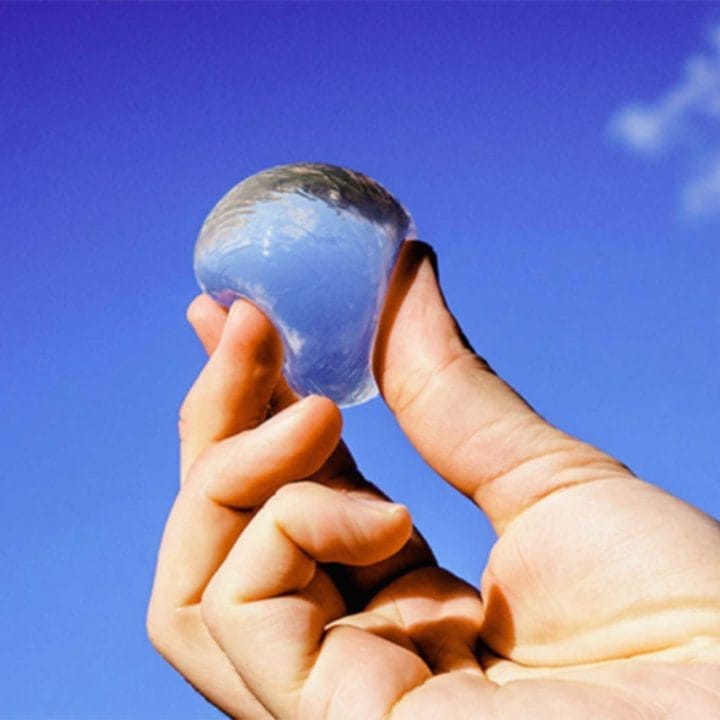
– NOTPLA’s edible packaging was described in the media as the “bottle of the future” back in 2015. With “We make packaging disappear”, the company promises to counteract packaging waste through their flexible and edible shell, thus reducing plastic use. The “unpackaged” liquids are particularly advantageous for large events and can be used in the[...]

Learn more

MILK MaterialLab OHOO Notpla

Algae Water Bottle

Bottle made from
agar-agar
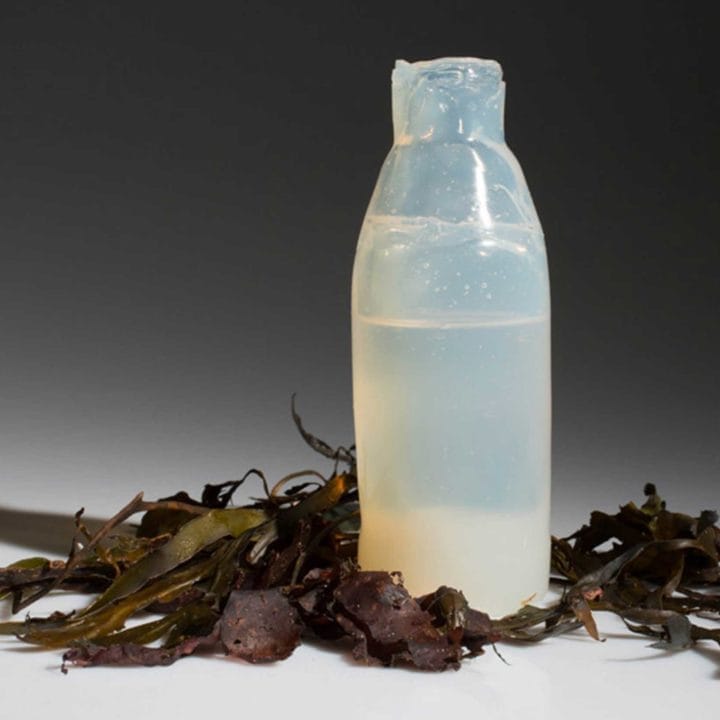
– During his studies at the Academy of Arts in Rekjavik, Ari Jonsson developed a water bottle made of agar-agar that rots within a few days of use. To do this, agar-agar is brought to the boil with water and a gelled mass is formed. This is then poured into a frozen mold. Filled with[...]

Learn more

MILK MaterialLab ager ager Ari Jonsson

Pasta 3D Printer

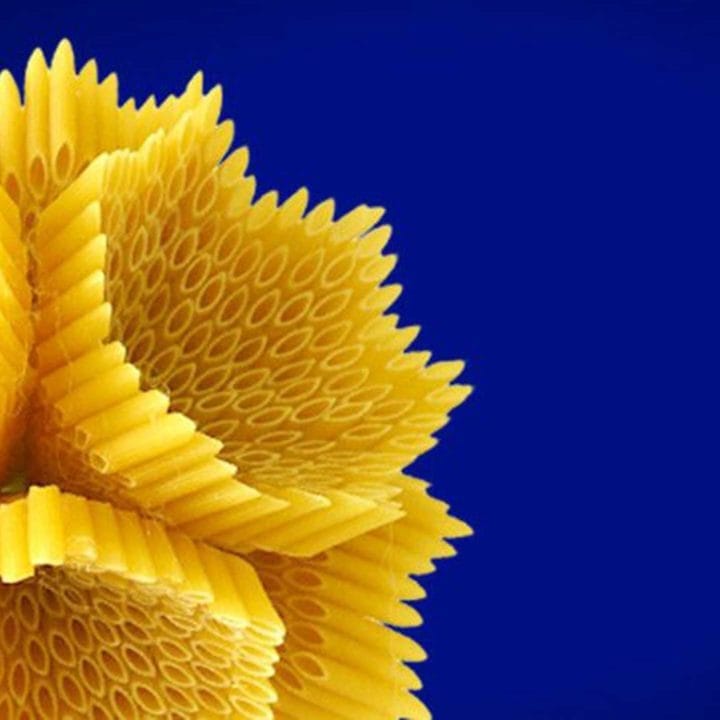
Printing method for pasta – The 3D printer uses dough cartridges filled with a mixture of durum wheat flour and water. This makes it possible to produce individual pasta shapes within two minutes, which could not be realized with conventional production processes. In addition to the appearance, the taste and consistency can also convince compared to classically produced pasta.[...]

Learn more

MILK MaterialLab 3D-Pastadrucker Barilla

Apeel

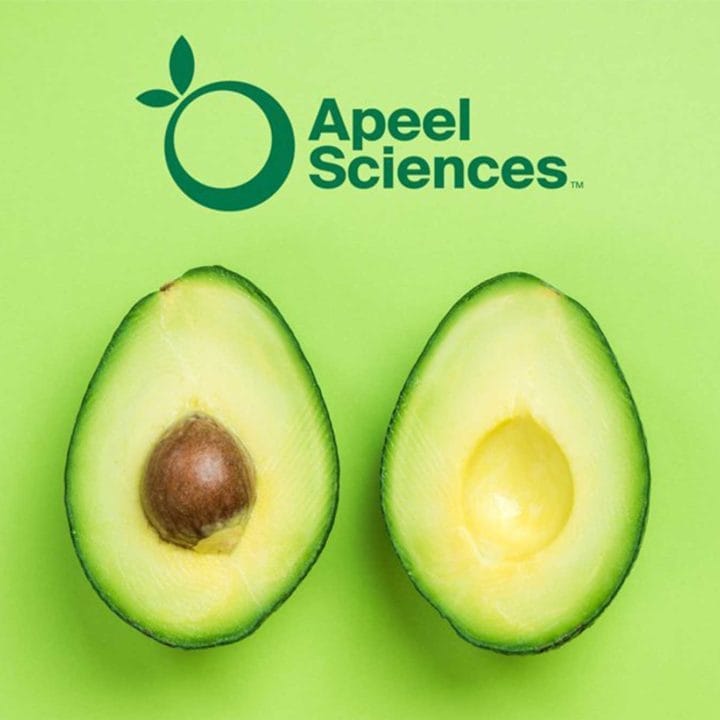
Edible protective spray for food – Californian start-up Apeel Sciences has developed an edible protective spray for fruit and vegetables made from food waste. This tasteless and low-calorie variant, due to its waterproof molecular structure, primarily serves to preserve the food, thus allowing protection from moisture and gases that continue the ripening process. The protective spray consists primarily of glycerol[...]

Learn more

MILK MaterialLab Apeel Apeel Sciences