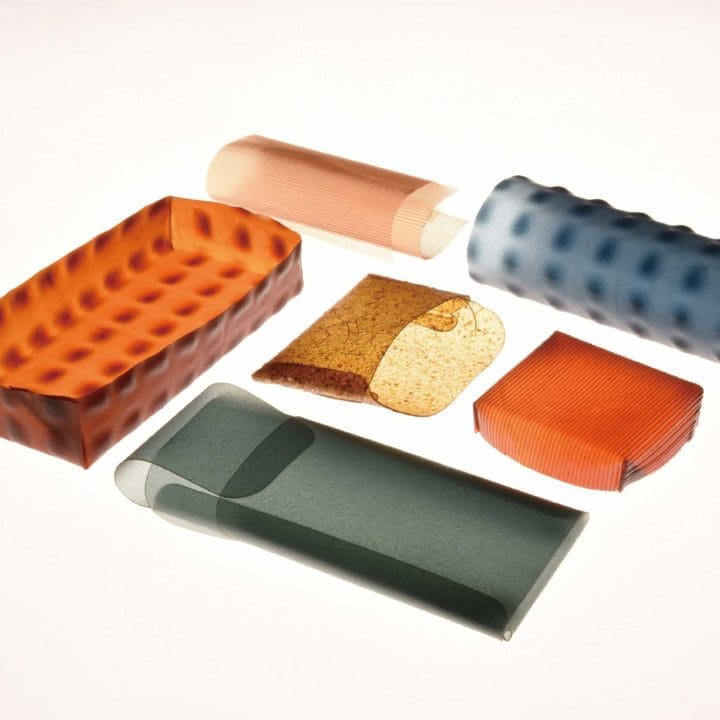
Tômtex

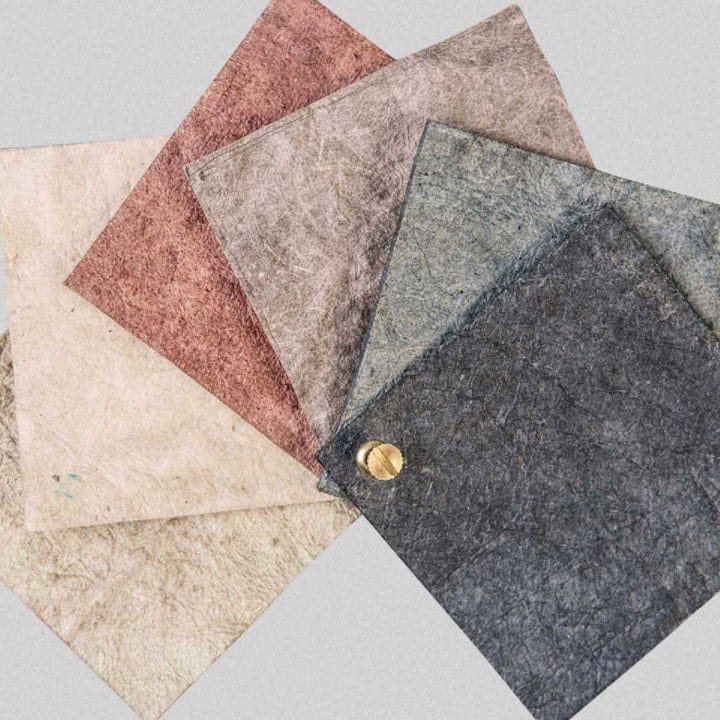
Material from chitin and coffee grounds – Tômtex makes vegan leather from seafood waste and used coffee grounds. Seafood shells contain a large amount of chitin, which promotes biodegradability of the material. After preparation, the raw materials are refined with a layer of beeswax. Sealing ensures the water resistance of the material and allows individual surface texture. This allows design patterns[...]

Learn more

MILK MaterialLab Bayonix Stefan Hunger

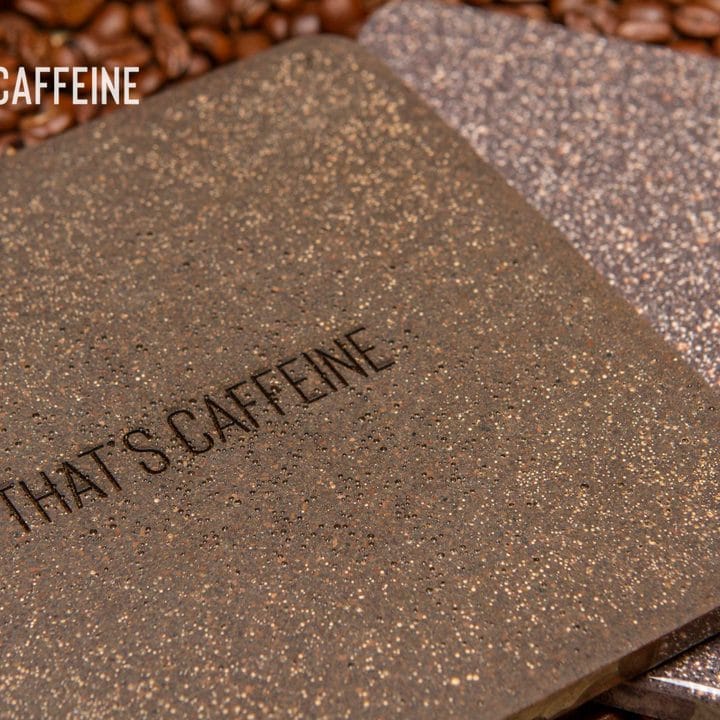
That’s Caffeine

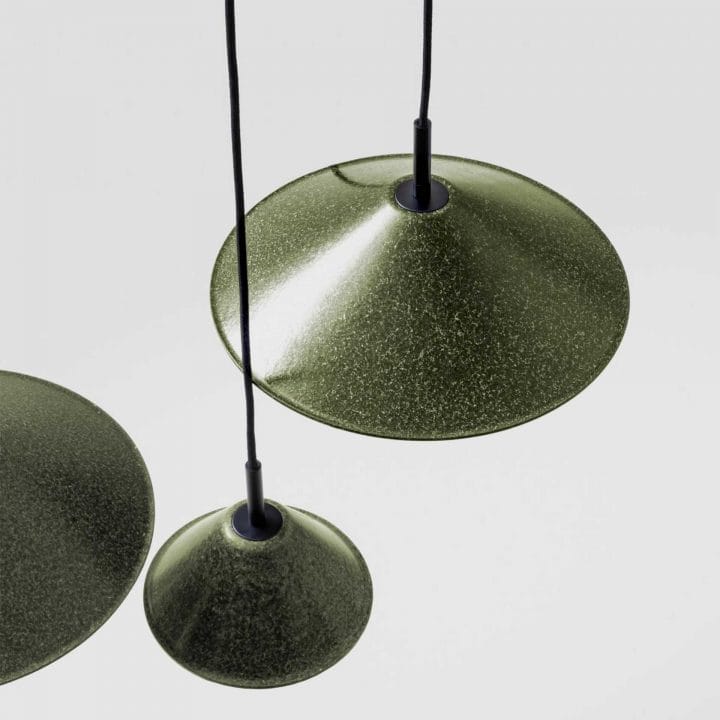
Furnishings from recycled coffee scraps – Atticus Durnell recycles coffee scraps by making furnishings such as lamps, plates and even tiles from them. By pressing these remains with resin, completely biodegradable products succeed. Subsequent sealing provides individual color in addition to water and temperature resistance. The idea of the Briton gives the previously unused waste a new functionality and thus[...]

Learn more

MILK MaterialLab ThatsCaffeine Atticus Durnell

Highlight Hemp

Luminaires from ecological remains – High Society Studio 5-piece lamp collection is produced exclusively from ecological leftovers. Materials are sourced from regional small businesses and processed using renewable energy. In the process, lights are created from hemp, tobacco, leftovers from viticulture or from hops as well as coffee residues. The Italian products are biodegradable and can easily be returned[...]

Learn more

MILK MaterialLab Highsocietystudio Leuchten MILK-MaterialLab-Highsocietystudio-Leuchten-6

Beeswax wipes

Alternative to aluminum and cling film – Driven by the idea of reducing their own need for plastic and disposable bags, the two Berliners Anna and Chelsea started making beeswax wraps. The space-saving and reusable method is lower in CO2 in its production compared to conventional reusable solutions such as jars. To make the beeswax cloths durable and biodegradable, a piece[...]

Learn more

MILK MaterialLab Wax Wrap Bienenwachstücher MILK-MaterialLab-Wax-Wrap-Bienenwachstücher-4

Banka

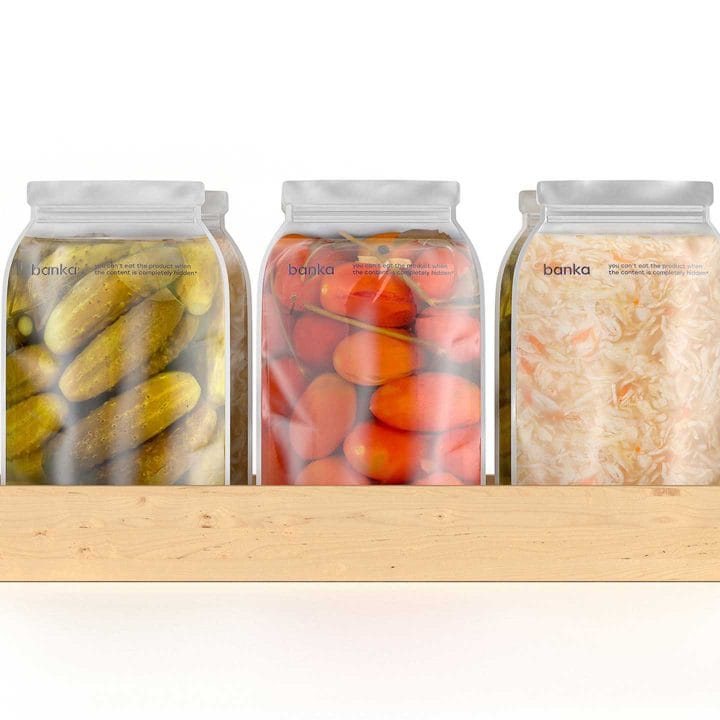
Packing with shelf life indicator – The concept by graphic designer and artist Alexander Cherkasov aims to preserve the shelf life of pickles, tomatoes or cabbage, for example, and to draw the consumer’s attention to a harmful development of the product by means of a discolored reaction surface. Once the deterioration of the food has occurred, the surface of the[...]

Learn more

MILK MaterialLab banka packaging Alexander Cherkasov

Coconut Water Leather

Leather from coconut water – To produce the biodegradable and waterproof coconut water leather, the coconut water, which is a waste product from coconut processing, is sterilized. The natural substance obtained from this serves as a nutrient for the bacterial culture in the subsequent 12 – 14 day fermentation process. Once the process is complete, the leaf cellulose jelly[...]

Learn more
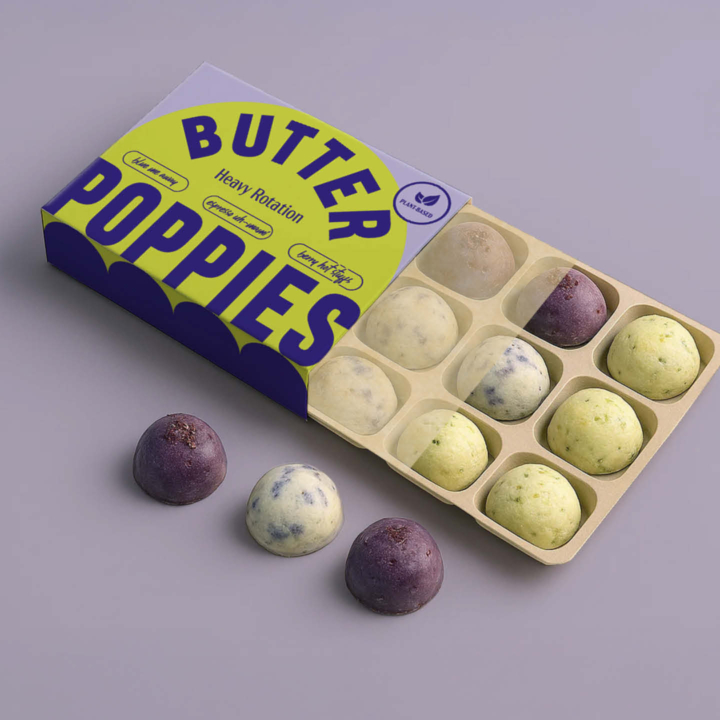
Cartamela apple paper

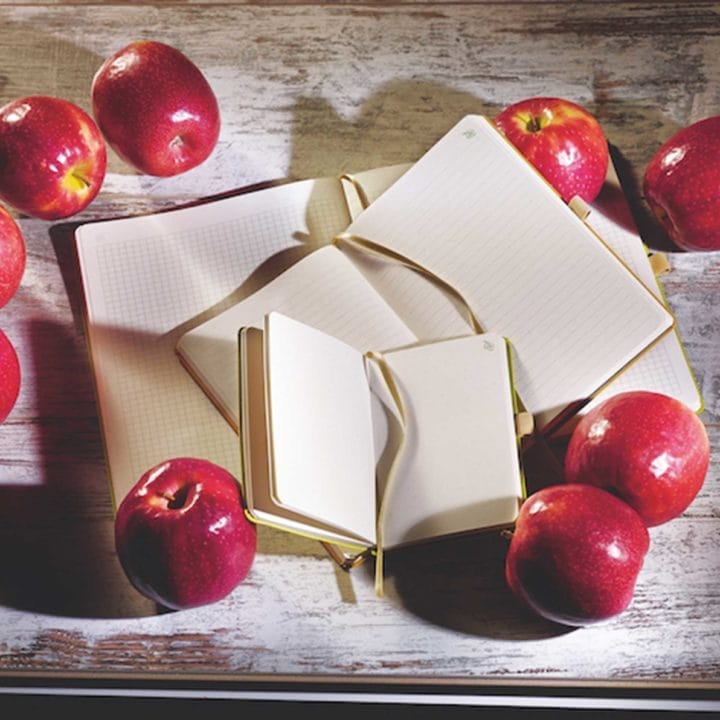
Paper from apple scraps – The South Tyrolean company FRUMAT has been drying and grinding the cellulose-containing fruit residues from apple juice production (so-called apple pomace) since 2003 in order to produce natural paper from them. Nearly half a million tons of these fruit wastes accumulate in the European region every year and, due to their fungal hazard, have[...]

Learn more

MILK MaterialLab Car

Tuesa

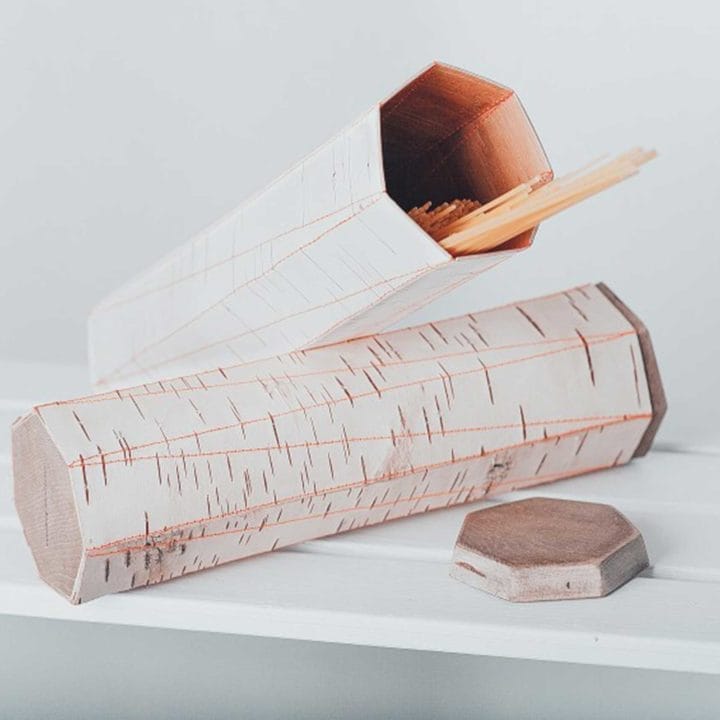
Birch bark antiseptic containers – Anastasiya Koshcheeva’s storage boxes “Tuesa” are truly unique due to the natural birch bark and regional cedar wood. The oils contained in the natural materials ensure a long freshness of the stored food. The modern design was developed and handmade in Siberia. The aesthetic and practical focus is especially on the birch bark, which[...]

Learn more

Sulapac

Packaging
made from wood chips and biopolymers
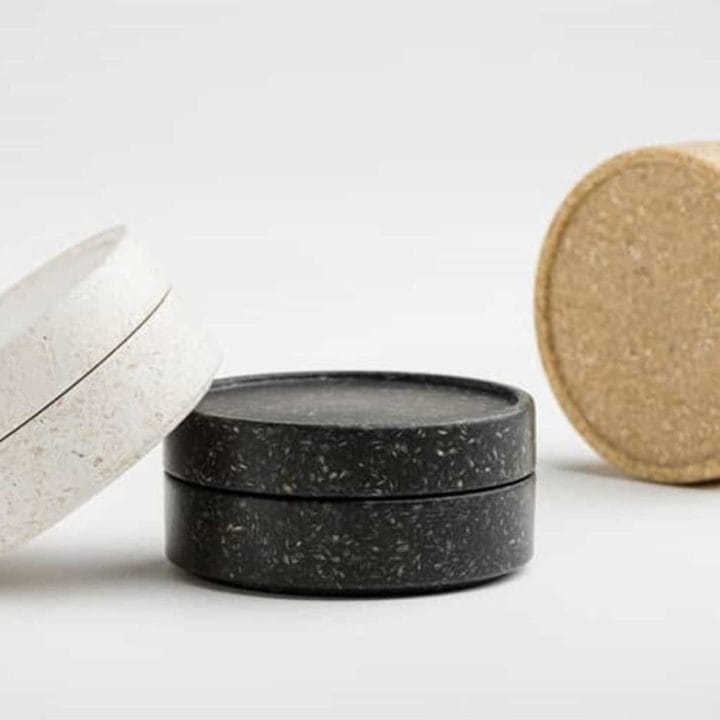
– Sulapac® biodegradable packaging is based on a mixture of wood chips and bio-polymer. The material is increasingly used in the cosmetics industry. Sulapac® is produced by means of industrial composting, which does not require the use of any water or chemicals and is therefore a particularly environmentally friendly recycling process. With this innovation, Sulapac®[...]

Learn more

MILK MaterialLab Sulapac Sulapac

VEIO

Textile shells – The scarf series VEIO, processed by turning, was created by Kathin Morawietz’s idea of pressing the layers of old textiles together by a thin layer of glue. In the process, these become a dense block that retains the feel of the fabric and makes it a visually unique piece. Once the material is strong[...]

Learn more

MILK MaterialLab Veio Kathrin

Gum-tec

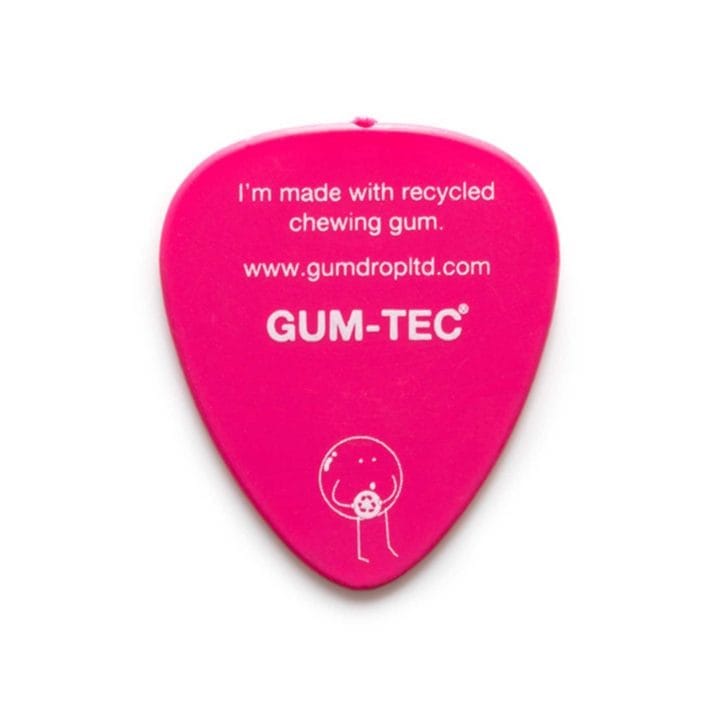
Chewing gum recycling – Gumdrop Ltd. has set itself the goal of eliminating gum emissions by recycling all types of chewing gum waste and processing it into a variety of products in cooperation with global companies and manufacturers. A new process is used to develop the sustainable material Gum-tec from recycled chewing gum, which can be processed into[...]

Learn more

MILK MaterialLab gum tec Gumdrop

Cooking New Materials

Material from organic waste – The Cooking new materials project gives food waste such as banana or orange peel or soy milk a new function by transforming it into a leather-like material made from organic waste. The substance bonded with a natural binder to form a substrate has high resistance in contact with water. With their aesthetic design, the[...]

Learn more

MILK MaterialLab Biowaste Material younyang song