Chip[s] Board

Material from potato scraps – Chip[s] Board ‘s company name already reveals its most important product component – potatoes. The company’s Parblex plastics [PBX] are created from the remains of potato processing, among other abundant resources. Chip manufacturers such as the Canadian producer McCain Foods take their waste to the respective production facilities where the fiber-reinforced bioplastics are produced.[...]

Learn more

MILK MaterialLab Chipsboard

Nuclée

Lamp from banana and bamboo fibers – Designer Dorian Etienne learned about a way of processing banana fiber in Hualien, a city on the east coast of Taiwan, and incorporated this method into the design of his lamps. The banana flesh is given a high strength by drying and refining and can therefore be used in many ways. Subsequent sublimation provides[...]

Learn more

MILK MaterialLab Nuclée Lampe Dorian Etienne MILK-MaterialLab-Nuclée-Lampe-Dorian-Etienne-5

Piñatex

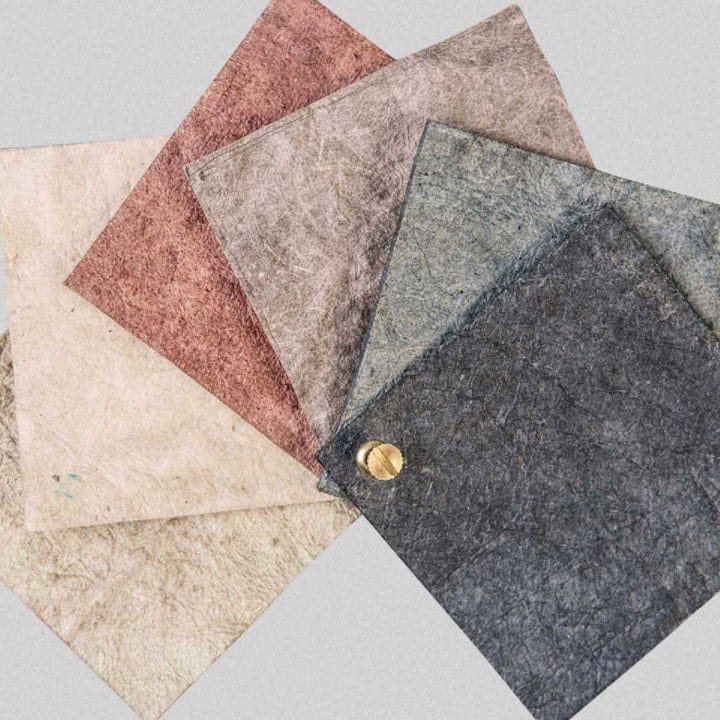
Leather from pineapple scraps – Piñatex® was developed by the British company Ananas Anam, a manufacturer of natural textiles from the by-products of the pineapple harvest. With her development, Dr. Carmen Hijosa not only wanted to give an unappreciated waste a use, but also to generate maximum benefit with the smallest possible ecological footprint. The cradle-to-cradle aspect was a[...]

Learn more

MILK MaterialLab Ananas Aman Piñatex Dr. Carmen Hijosa MILK-MaterialLab-Ananas-Aman-Piñatex-Dr.-Carmen-Hijosa-7

Coffee Cup Paper “Extract”

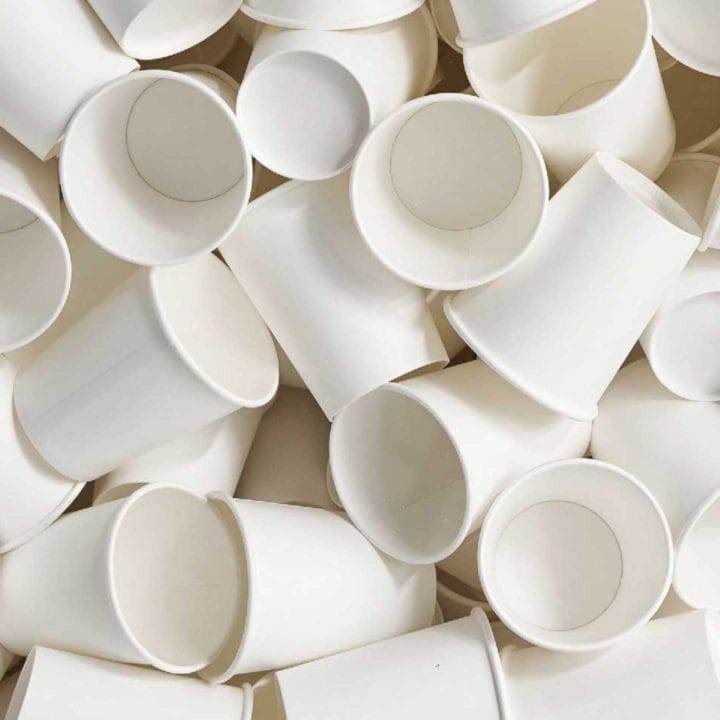
Jewelry papers from recycled coffee-to-go cups – The British company G. F Smith shows how recycled coffee-to-go cups can be turned into attractive paper with its Extract project. Used disposable coffee cups are separated into their plastic and paper components for production in order to produce FSC-certified paper in a subsequent step in collaboration with CupCycling by James Cropper. Approximately 5[...]

Learn more

Ventri – Cow Stomach

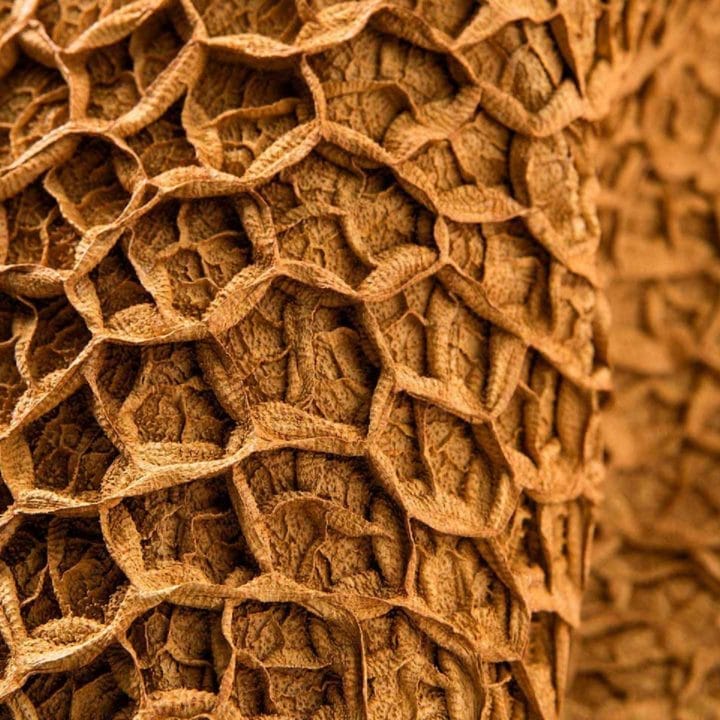
Cow stomach textured leather – Dutch designer Billie van Katwijk produces special handbags from cow stomachs using an elaborate tanning process. For her project “Ventri”, luxurious accessories are created from the slaughterhouse leftovers that were previously processed into dog food. Particularly surprising is the visual appeal and extraordinary texture of the waste product. Accordingly, the different properties of the[...]

Learn more

Coconut Water Leather

Leather from coconut water – To produce the biodegradable and waterproof coconut water leather, the coconut water, which is a waste product from coconut processing, is sterilized. The natural substance obtained from this serves as a nutrient for the bacterial culture in the subsequent 12 – 14 day fermentation process. Once the process is complete, the leaf cellulose jelly[...]

Learn more
Styrofoam decomposing mealworms

Plastic-eating organisms – While mealworms normally feed on wheat bran, biologists at Stanford University and Peking University have given them polystyrene – a form of plastic foam – instead. Mostly, this material is used for polystyrene packaging, yogurt pots or cable insulation. In a test experiment, the worms ate the material completely – approx. 40 mg per[...]

Learn more

MILK MaterialLab Mehlwürmer Frauenhofer Institut

Oranges PET

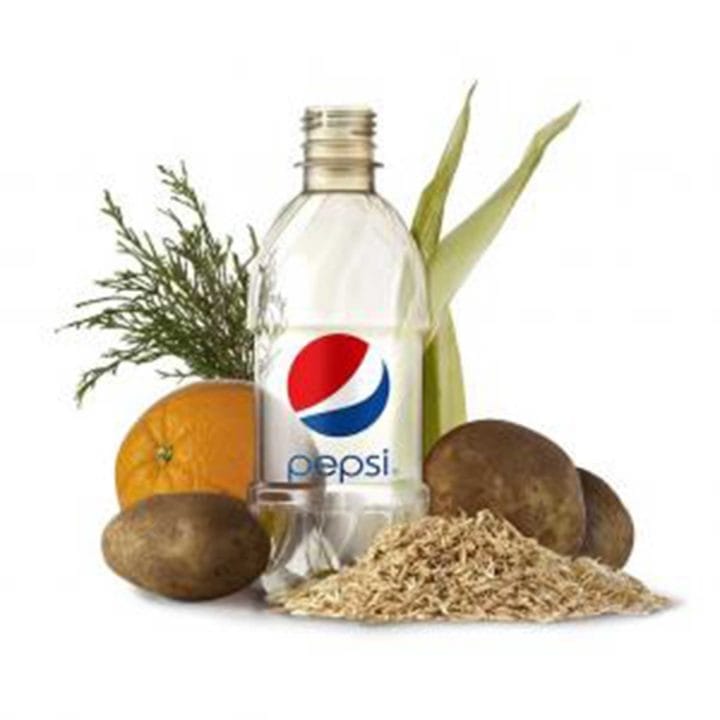
Bioplastic bottle made from orange peel – Made purely from plant-based materials, the “green” PET bottle was designed by Pepsi to offer consumers a fully recyclable alternative to traditional PET bottles. Renewable resources such as switchgrass, pine bark and orange peel serve as feedstock and enable the production of the bioplastic through a combination of chemical and biological processes. It also[...]

Learn more

MILK MaterialLab Orangen PET Pepsi

Cartamela apple paper

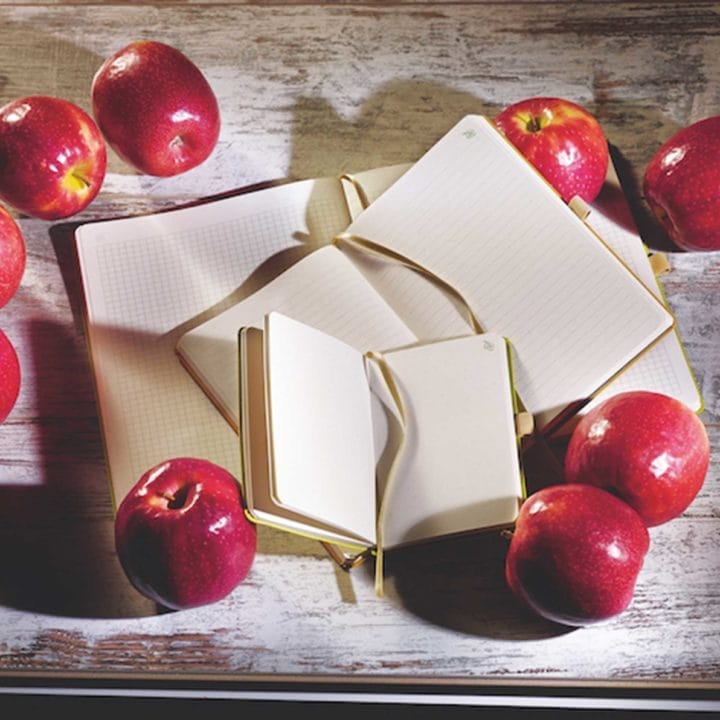
Paper from apple scraps – The South Tyrolean company FRUMAT has been drying and grinding the cellulose-containing fruit residues from apple juice production (so-called apple pomace) since 2003 in order to produce natural paper from them. Nearly half a million tons of these fruit wastes accumulate in the European region every year and, due to their fungal hazard, have[...]

Learn more

MILK MaterialLab Car

NEIGHBOR

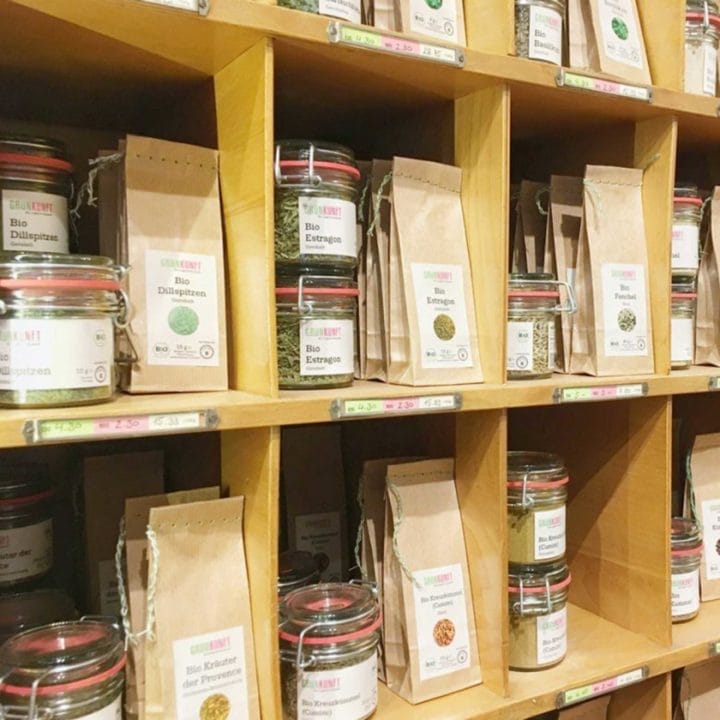
Wood cellulose compostable packaging – SUSTAINERS are 100% recyclable and fully compostable packaging solutions whose raw material is created from forestry cuttings. For material recovery, viscose (soluble) is first extracted from the pulp, which is filtered through a pouring nozzle and runs into a precipitation bath, after which a transparent film of pure regenerated cellulose is produced. The Grünkunft[...]

Learn more

Chicory plastic

Plastic from
chicory waste
– Chicory is known as a salad, less as a raw material for plastics. The root of the plant usually ends up in the composting plant. Only a fraction is used to produce biogas. Researchers at the University of Hohenheim have discovered the chicory root as a resource for obtaining hydroxymethylfurfural (HMF), one of the[...]

Learn more

MILK MaterialLab Chicorée Hochschule Hohenheim

Bio-Lutions

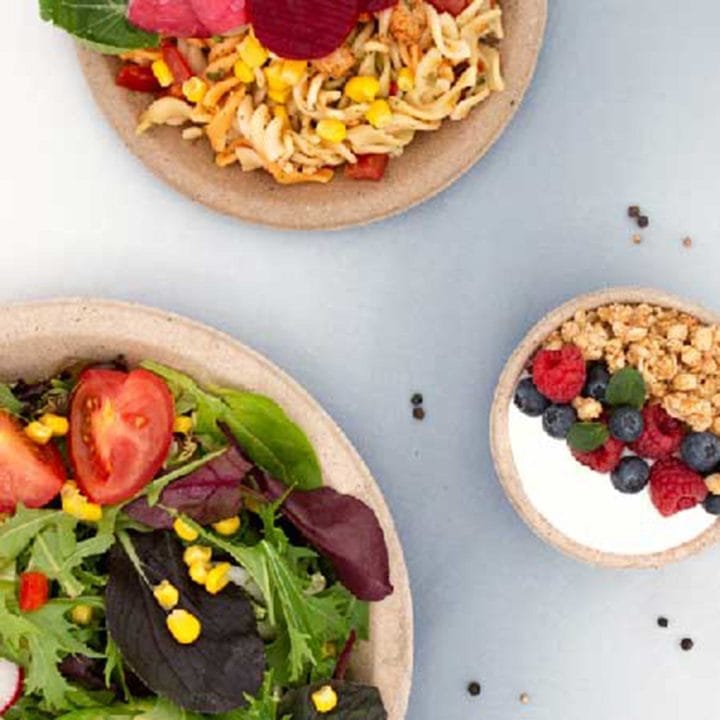
Tableware from natural fibers – Only raw materials such as banana stems, bagasse and rice straw, which cannot be consumed as food and therefore do not require land use, are used for BIO-LUTIONS products. The disposable tableware and packaging solution are manufactured using a mechanical process that eliminates pulp extractions and bleaching. Thisefficient process saves on chemicals and water.[...]

Learn more