Edible Seaweed Packaging

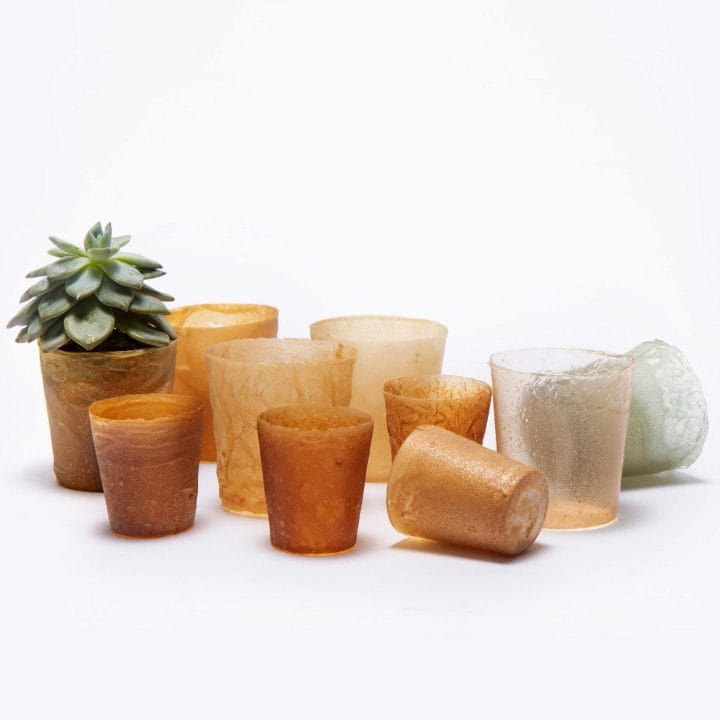
Biodegradable plastic – Indonesian researchers Dr. Noryawati Mulyno and David Christian developed Edible Seaweed Packaging, which consists of seaweed. In its homeland, 90% of plastic waste is disposed of in the ocean and at the same time it has a large supply of algae. They founded the company Evoware to produce a plastic-free alternative from marine plants.[...]

Learn more

MILK MaterialLab EdibleSeaweedPackaging Evoware Noryawati Mulyno

Smart Materials – Bioplastics

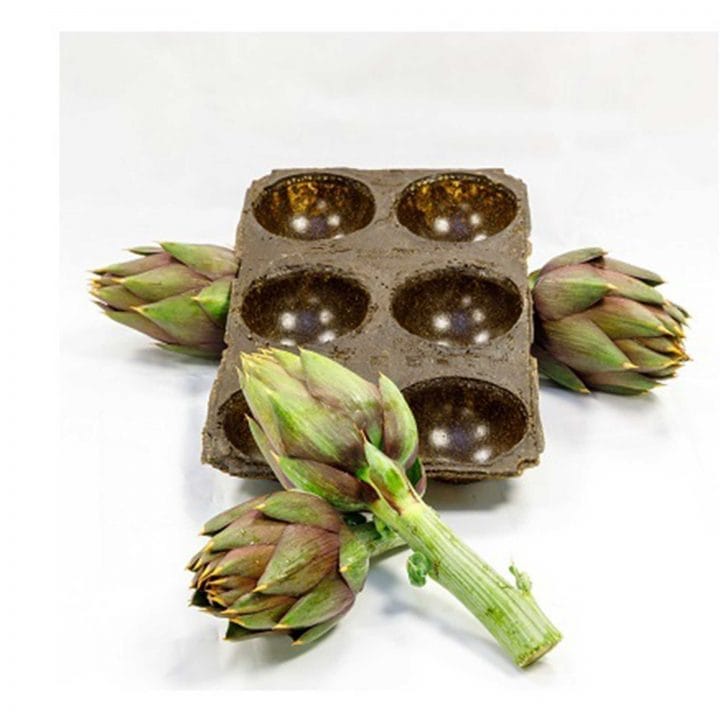
Bioplastic from food scraps – The “Smart Materials” research team at the Istituto Italiano di Tecnologia in Genoa uses food scraps to make a bioplastic. To do this, they studied plant waste products such as cocoa pod shells, rice husks, and vegetables that were pulverized for use in vegetable drinks and colored pasta. Depending on the properties of the[...]

Learn more

MILK MaterialLab SmartMaterials EdibleVegetableWasteBioplastics Alumni

Chitosan Bioplastics

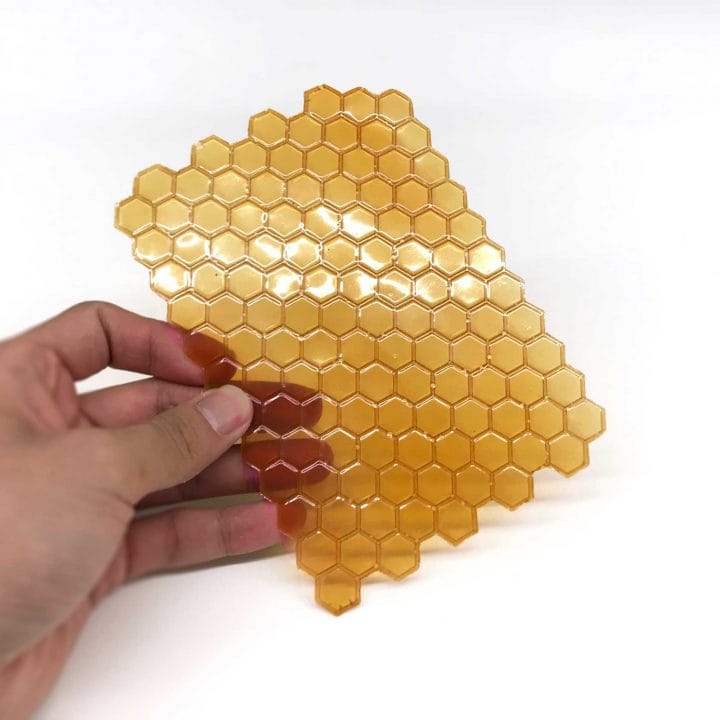
Material made from shrimp chitin – The biodegradable material Chitosan Bioplastics was developed as a research project by industrial designers Paul Kheem and Ronny Haberer during their studies at New York’s Pratt Institute. In order to reduce global marine pollution, they are using the chitin found in shrimp shells to develop a plastic alternative. By acetylating the biopolymer, chitosan is[...]

Learn more

MILK MaterialLab ChitosanBioplastics PaulKheem

Vivomer

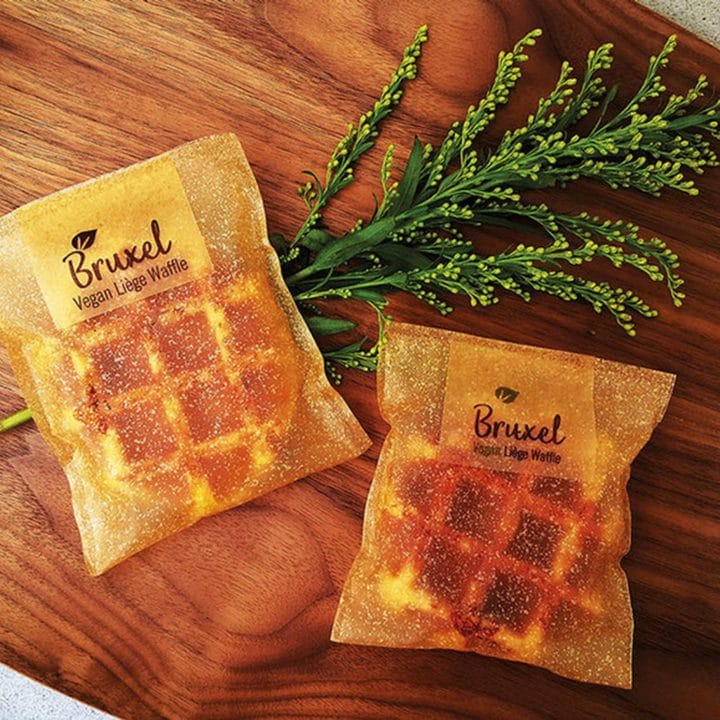
Compostable bioplastics produced with microorganisms – Shellworks produces Vivomer, a sustainable bioplastic made from microorganisms found in the sea or soil. Four designers, Ed Jones, Insiya Jafferjee, Amir Afshar and Andrew Edwards from the Royal College of Art and Imperial College, have developed the nature-based monomaterial. As a bio-based polymer, the PHA is 100% vegan and free from microplastics, while[...]

Learn more
MILK MaterialLab TheShellWorks EdJones InsiyaJafferjee AmirAfshar AndrewEdwards

Tômtex

Material from chitin and coffee grounds – Tômtex makes vegan leather from seafood waste and used coffee grounds. Seafood shells contain a large amount of chitin, which promotes biodegradability of the material. After preparation, the raw materials are refined with a layer of beeswax. Sealing ensures the water resistance of the material and allows individual surface texture. This allows design patterns[...]

Learn more

MILK MaterialLab Bayonix Stefan Hunger

Gone

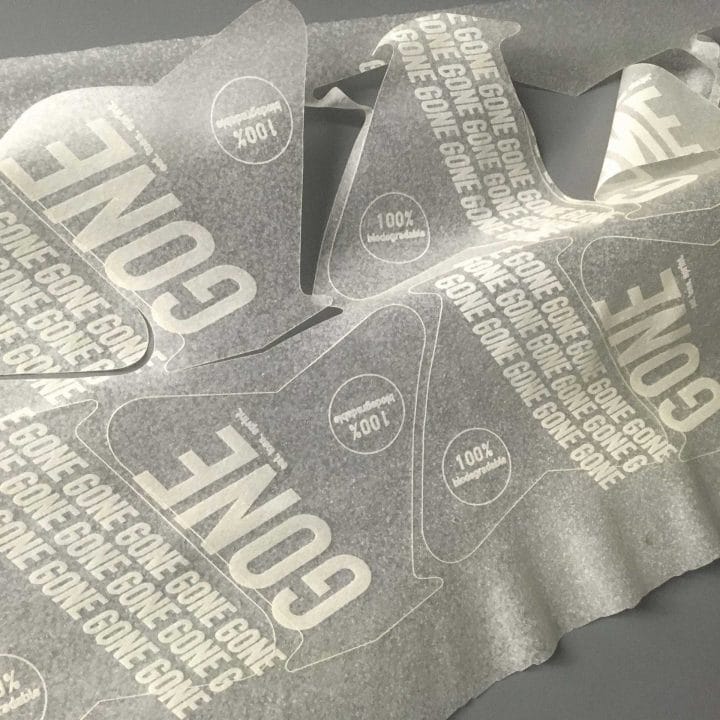
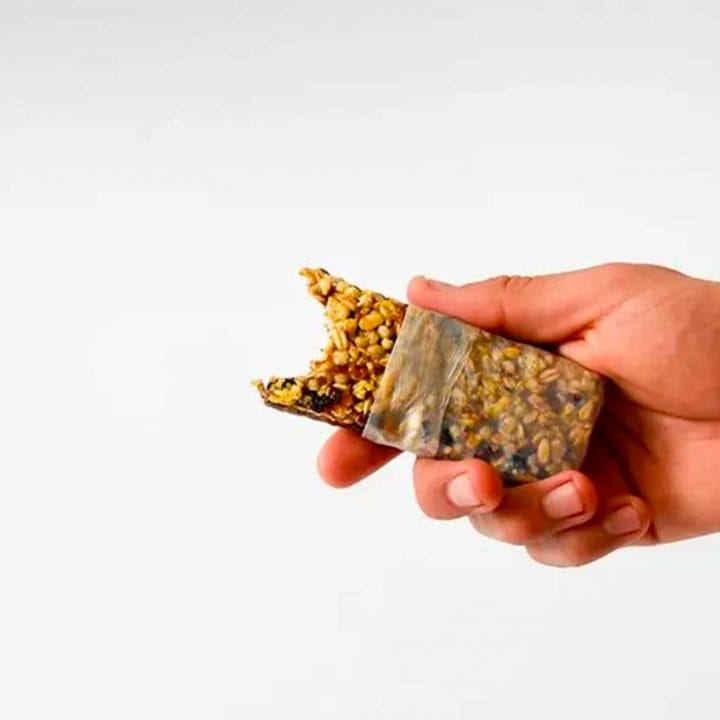
Compostable disposable packaging – Industrial designer Lizzie Wright developed the Gone concept in response to the environmental impact of sporting events. She was looking for a solution that would replace the plastic packaging of energy gels while being biodegradable. After consumption, athletes can throw Gone onto the street or into nature without contaminating it. The material, which consists[...]

Learn more

MILK MaterialLab Gone Lizzi Wright MILK-MaterialLab-Gone-Lizzi-Wright-9

Biotrem

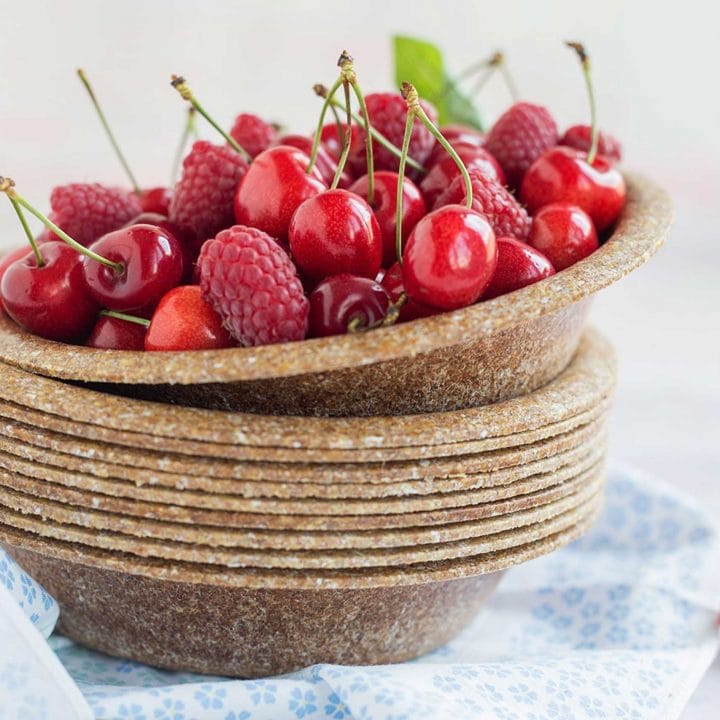
Wheat bran disposable tableware – Growing up in a family that had been running a mill for decades, Jerzy Wysocki decided to put the leftover product of the grain milling process, wheat bran, to good use. He developed a natural material from the seed husk and a small amount of water, which is suitable for use as disposable tableware[...]

Learn more

MILK MaterialLab Biotrem Geschirr aus Weizenkleie MILK-MaterialLab-Biotrem-Geschirr-aus-Weizenkleie-6

Heineken Green Grip

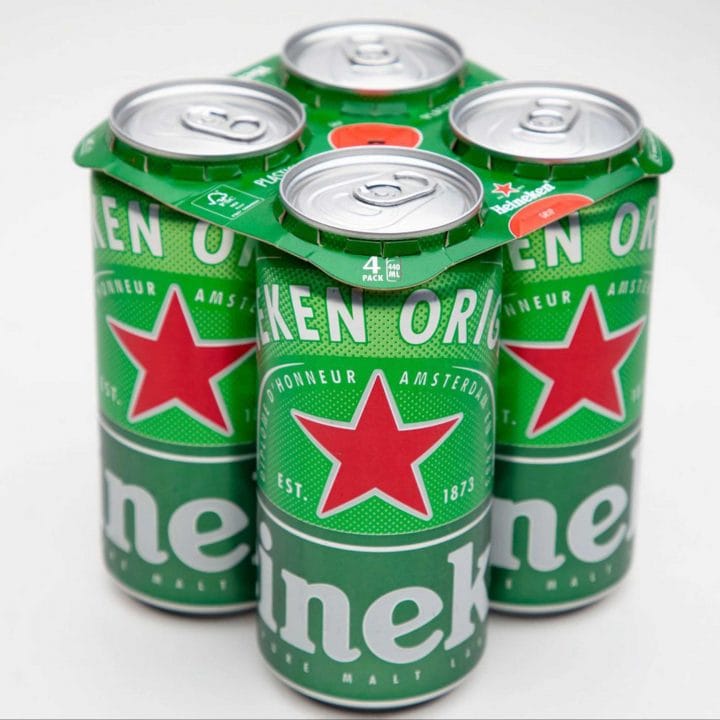
Compostable cardboard applicator – In the future, the British brewery Heineken will replace the plastic rings of its multipacks with a recyclable and compostable cardboard applicator. This saves the company over 500 tons of plastic. This is equivalent to 94 million plastic bags. By the end of 2021, only Green Grips are to be found on supermarket shelves.[...]

Learn more

MILK MaterialLab Heineken Green Grip

Changhua

Loofah bottle packaging – During a stay in Taiwan, designer Dorian Etienne developed a bottle packaging made from a regional product, the pumpkin plant “loofah”. The natural fibers obtained from them multiply quickly and have high durability. Since the spongy pumpkin has shock-absorbing properties, the material is particularly suitable for transport packaging. Thanks to the loofah material, the[...]

Learn more

MILK MaterialLab Changhua Dorian Etienne

Totomoxtle

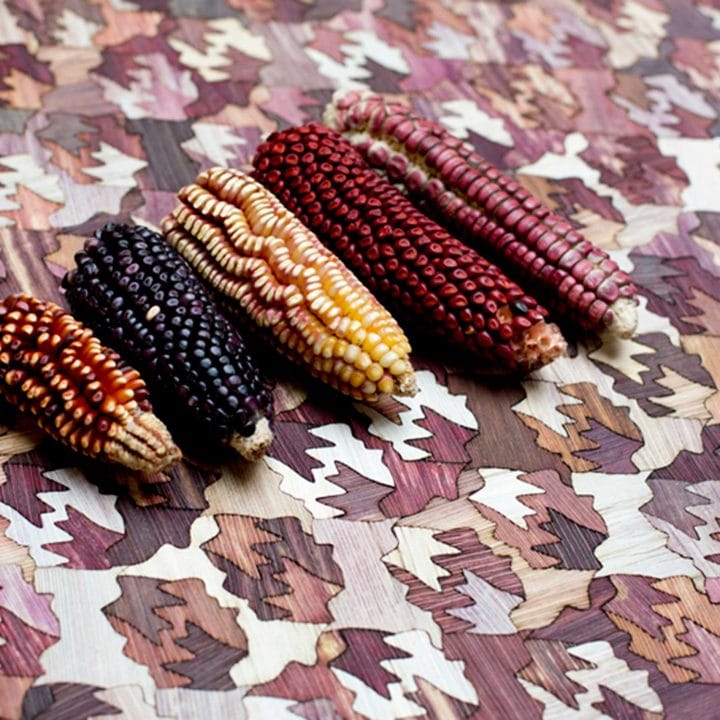
Corn material – Totomoxtle is a new type of veneer material made from Mexican corn husks. The purple, red as well as cream corn grains give a unique design to the lamps, wall coverings, cans and tables. Fernando Laposse’s goal here is to preserve jobs and safeguard the agricultural diversity of his home country. With the declining[...]

Learn more

MILK MaterialLab Totomoxtle Fernando Laposse

That’s Caffeine

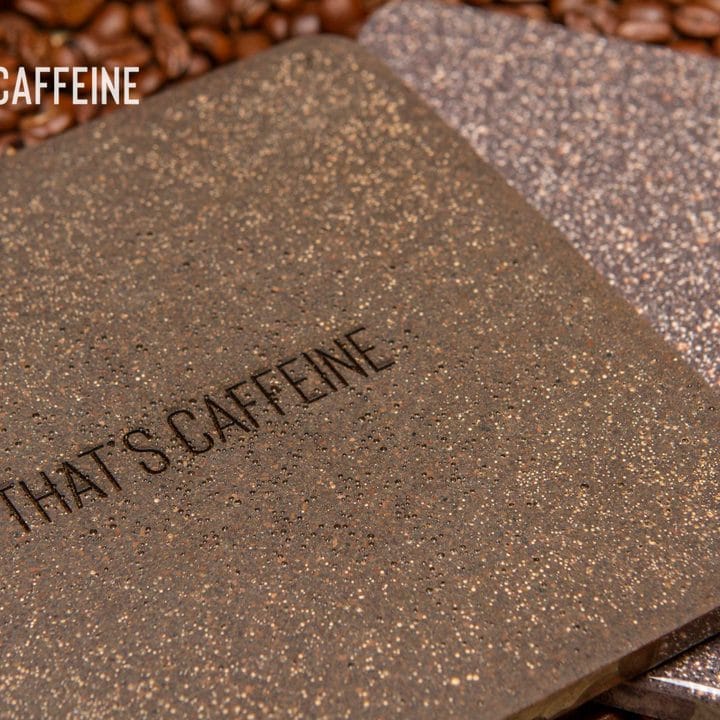
Furnishings from recycled coffee scraps – Atticus Durnell recycles coffee scraps by making furnishings such as lamps, plates and even tiles from them. By pressing these remains with resin, completely biodegradable products succeed. Subsequent sealing provides individual color in addition to water and temperature resistance. The idea of the Briton gives the previously unused waste a new functionality and thus[...]

Learn more

MILK MaterialLab ThatsCaffeine Atticus Durnell

Scoby Packaging

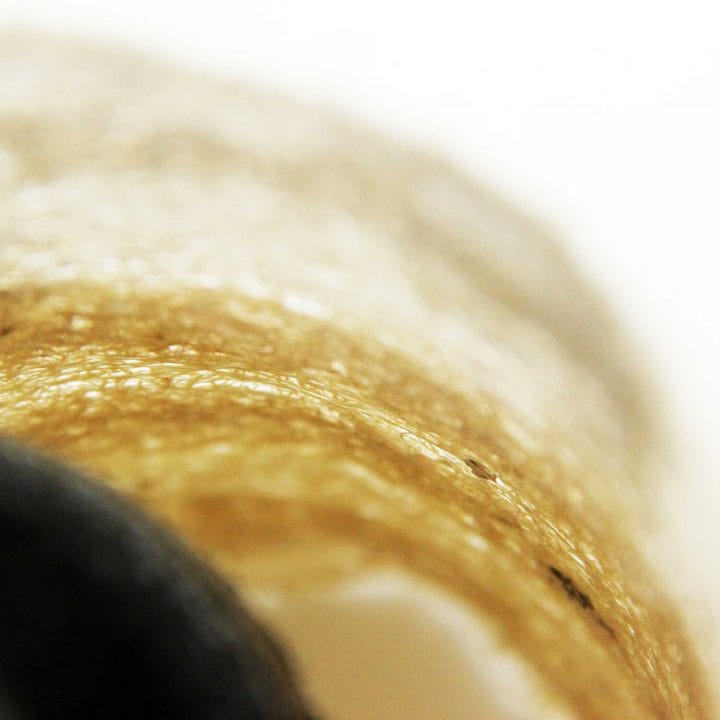
Packaging from organic waste – MakeGrowLab’s woven biowaste packaging is made entirely of cellulose, making it free of toxic pollutants, synthetic polylactides and fossil fuels. Scoby is 40 times more durable than paper and is compostable and plastic-free due to its natural ingredients. Thanks to its airtightness and water resistance, Scoby has already been able to encase shampoos, soaps,[...]

Learn more

MILK MaterialLab ScobyPackaging MakeGrowLab MILK-MaterialLab-ScobyPackaging-MakeGrowLab-10