Chip[s] Board

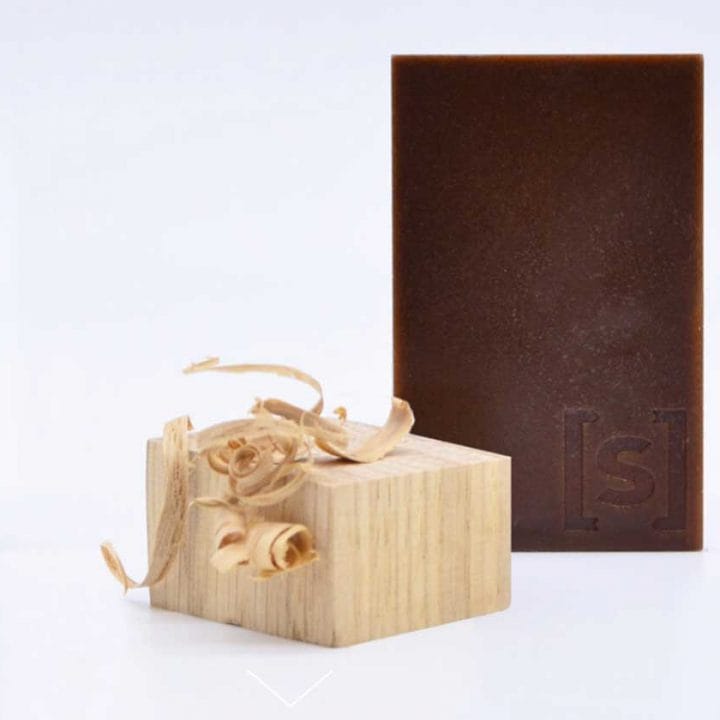
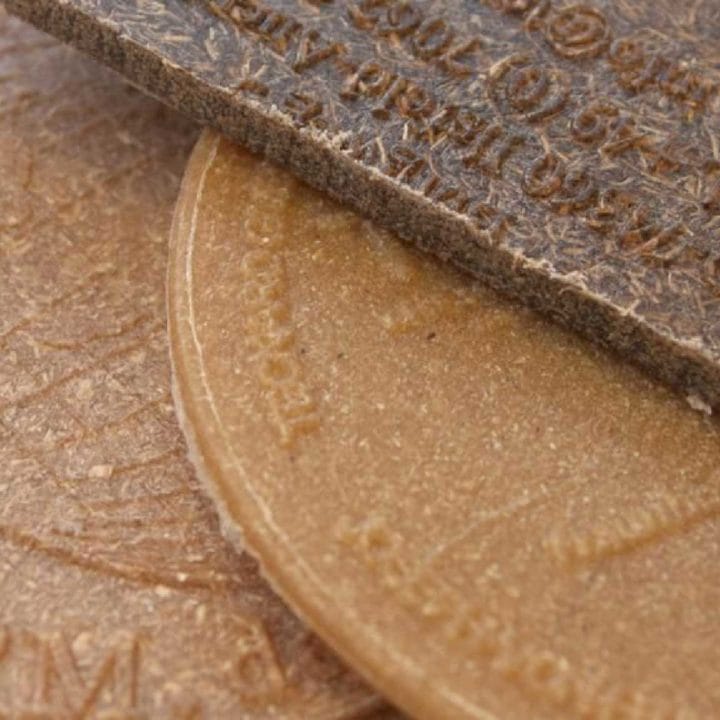
Material from potato scraps – Chip[s] Board ‘s company name already reveals its most important product component – potatoes. The company’s Parblex plastics [PBX] are created from the remains of potato processing, among other abundant resources. Chip manufacturers such as the Canadian producer McCain Foods take their waste to the respective production facilities where the fiber-reinforced bioplastics are produced.[...]

Learn more

MILK MaterialLab Chipsboard

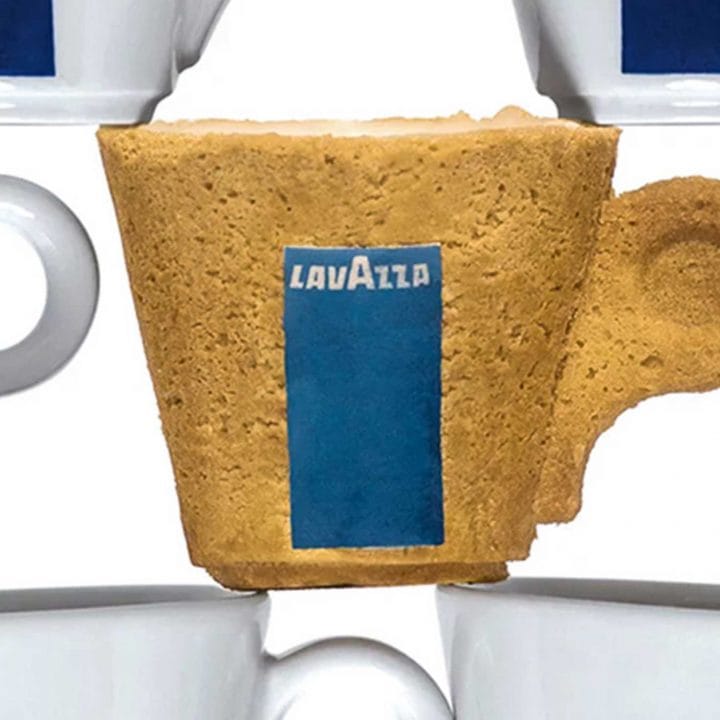
LAVAZZA Cookie Cup

Cookie dough coffee cup – Italian designer Enrique Sardi has created a coffee cup for LAVAZZA that consists of a cookie dough and special powdered sugar. The edible cookie cup can be eaten after the coffee has been enjoyed and therefore produces no waste. LAVAZZA became a pioneer with this idea and has since inspired various food manufacturers to[...]

Learn more

MILK MaterialLab Enrique Sardi for LAVAZZA Cookiecup MILK-MaterialLab-Enrique-Sardi-for-LAVAZZA-Cookiecup-4

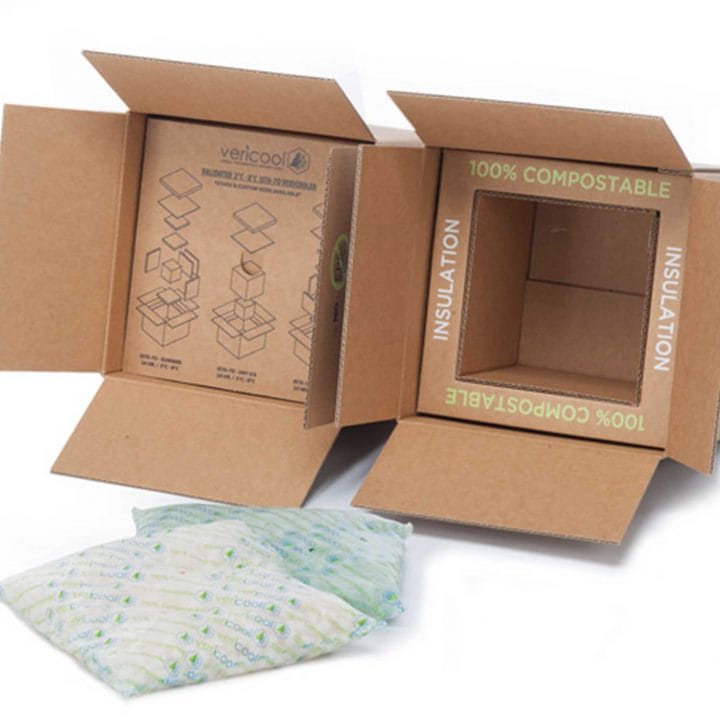
Vericool

Sustainable thermal packaging – Since traditional Styrofoam containers are not biodegradable, Vericool® has developed various thermal designs that keep the contents at constant temperatures. The compostable insulation, consisting of renewable and already consumed materials, can be disposed of in the household compost after a long period of use, thus preventing ecological pollution. Vericool® is particularly suitable for transporting[...]

Learn more

MILK MaterialLab Vericool Thermopackaging MILK-MaterialLab-Vericool-Thermopackaging-3

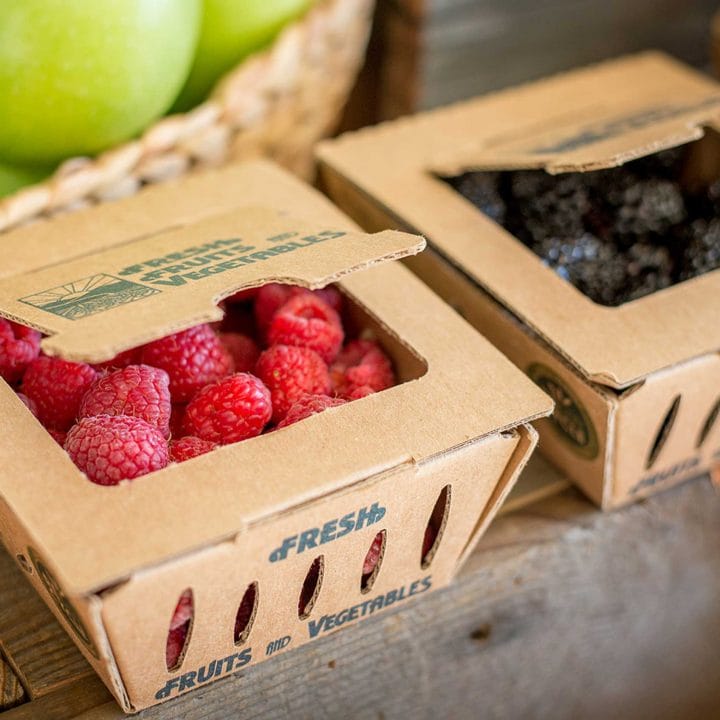
ReadyCycle

Sustainable packaging for fruit and vegetables – ReadyCycle’s packaging is a sustainable alternative to traditional fruit and vegetable packaging. The recyclable trays not only offer the fragile goods the optimum protection, but are also designed with a vegetable-based ink. Since no adhesives or labels are used and the trays are made only of recycled paper and a water coating, they are[...]

Learn more

MILK MaterialLab READYCYCLE Packaging

Beeswax wipes

Alternative to aluminum and cling film – Driven by the idea of reducing their own need for plastic and disposable bags, the two Berliners Anna and Chelsea started making beeswax wraps. The space-saving and reusable method is lower in CO2 in its production compared to conventional reusable solutions such as jars. To make the beeswax cloths durable and biodegradable, a piece[...]

Learn more

MILK MaterialLab Wax Wrap Bienenwachstücher MILK-MaterialLab-Wax-Wrap-Bienenwachstücher-4

Piñatex

Leather from pineapple scraps – Piñatex® was developed by the British company Ananas Anam, a manufacturer of natural textiles from the by-products of the pineapple harvest. With her development, Dr. Carmen Hijosa not only wanted to give an unappreciated waste a use, but also to generate maximum benefit with the smallest possible ecological footprint. The cradle-to-cradle aspect was a[...]

Learn more

MILK MaterialLab Ananas Aman Piñatex Dr. Carmen Hijosa MILK-MaterialLab-Ananas-Aman-Piñatex-Dr.-Carmen-Hijosa-7

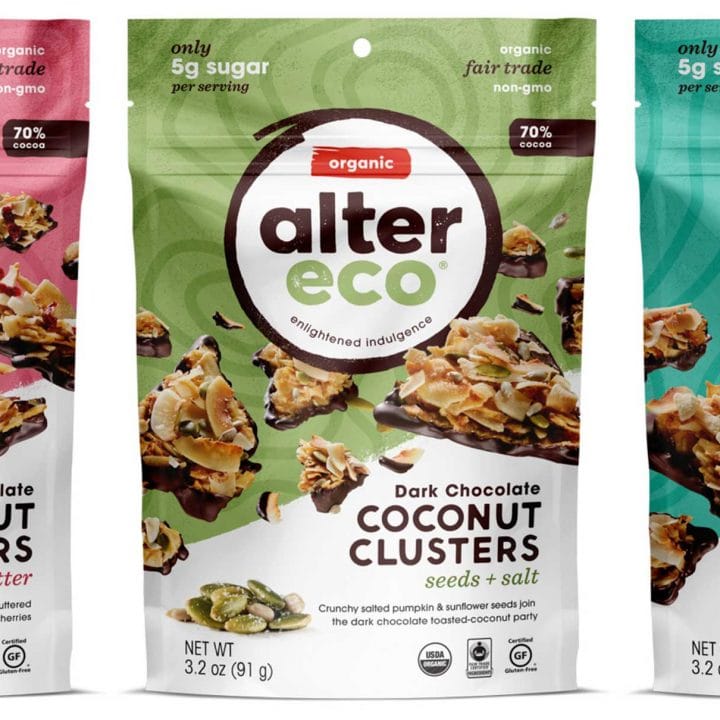
Alter Eco Foods

Compostable chocolate packaging – The aim of the American company Alter Eco Foods is to use packaging that is fully compostable in addition to Fair Trade Certified™ production of chocolate products. In order to keep the environmental impact in balance, the founders Mathieu Senard and Edouard Rollet rely on constantly evolving packaging processes. After years of development, Gone4Food[...]

Learn more

MILK MaterialLab Alterecofoods Mathieu Sonard Edouard Rollet

Ventri – Cow Stomach

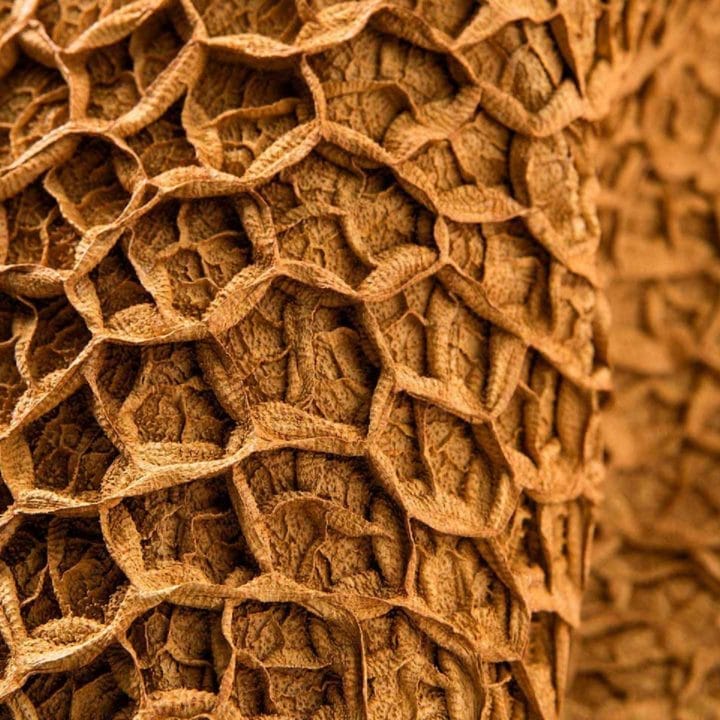
Cow stomach textured leather – Dutch designer Billie van Katwijk produces special handbags from cow stomachs using an elaborate tanning process. For her project “Ventri”, luxurious accessories are created from the slaughterhouse leftovers that were previously processed into dog food. Particularly surprising is the visual appeal and extraordinary texture of the waste product. Accordingly, the different properties of the[...]

Learn more

ARBOBLEND

Materials based on
renewable raw materials
– ARBOBLEND consists of many different bio-based materials, which together form a packaging material. Depending on the combination, ARBOBLEND consists of biopolymers such as polyhydroxyalkanoates (PHA), polycaprolactone (PCL), polyester (e.g. bio-PET), starch, polylactic acid (PLA), bio-polyolefins (bio-PE), bio-polyamides (bio-PA), lignin, natural resins, waxes, oils, natural fatty acids, cellulose, biological additives and natural reinforcing fibers. Depending[...]

Learn more
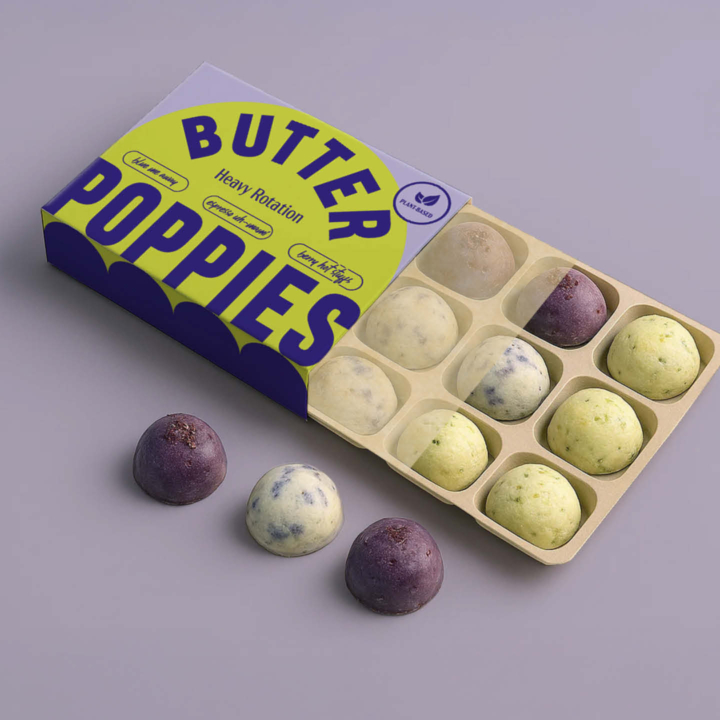
Agar Plasticity

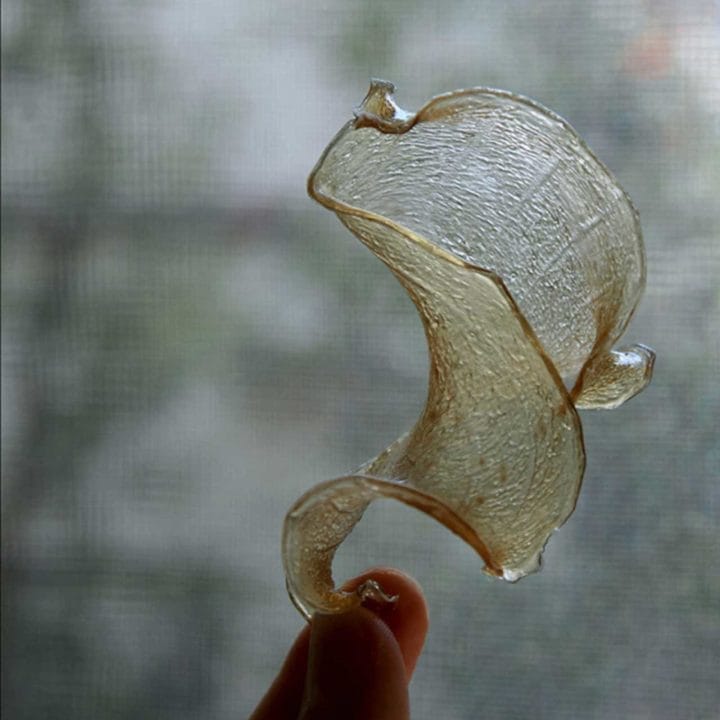
Packing based on seaweed – Agar Plasticity is a materials research project investigating agar as an alternative to synthetic plastics. Agar is a traditional Japanese foodstuff that is often used to make sweets. However, it is also used worldwide in the scientific and medical fields. It is mainly sold in its driedstate in the form of blocks, flakes and[...]

Learn more

naturesse

Disposable tableware
made from organic raw materials
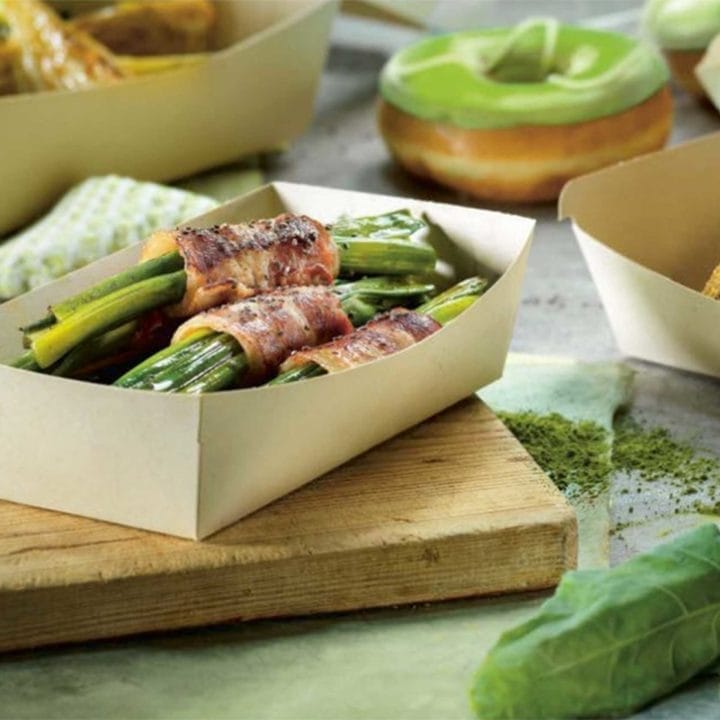
– With naturesse, Pacovis produces sustainable disposable tableware and packaging that is plastic-free and 100% biodegradable. The materials processed for naturesse are based on renewable raw materials from the agricultural industry or on rapidly renewable plant-based raw materials such as bamboo. The focus is on a sensible appreciation of fossil resources – with the intention[...]

Learn more

MILK MaterialLab Naturesse Pacovis

Styrofoam decomposing mealworms

Plastic-eating organisms – While mealworms normally feed on wheat bran, biologists at Stanford University and Peking University have given them polystyrene – a form of plastic foam – instead. Mostly, this material is used for polystyrene packaging, yogurt pots or cable insulation. In a test experiment, the worms ate the material completely – approx. 40 mg per[...]

Learn more

MILK MaterialLab Mehlwürmer Frauenhofer Institut