MonoSol

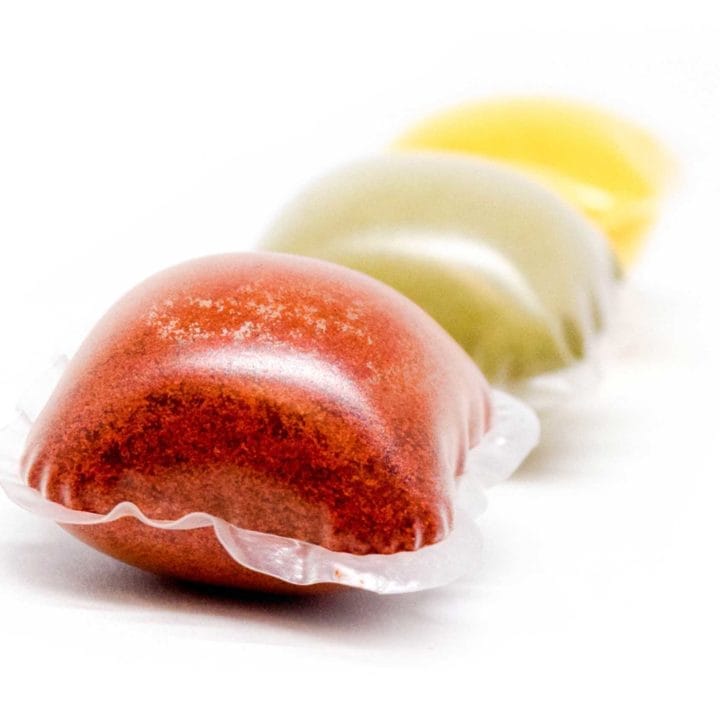
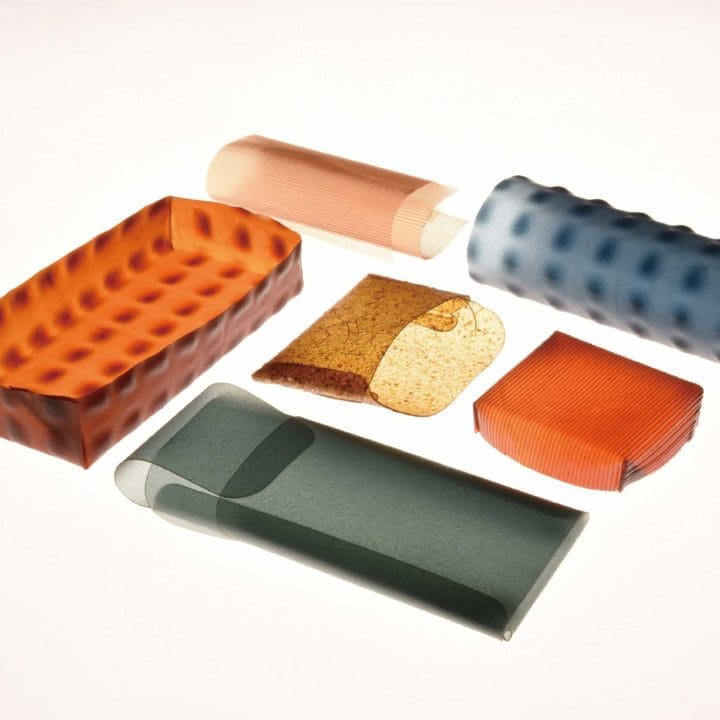
Water soluble film – The material of MonoSol, which is mainly used for the production of detergent pods, can be described as a water-soluble film. The application of the film with these pods offers on the one hand the advantage of easy dosage and on the other hand a dissolving of the film in a short time without[...]

Learn more

MILK MaterialLab MonoSol MonoSol

Oranges PET

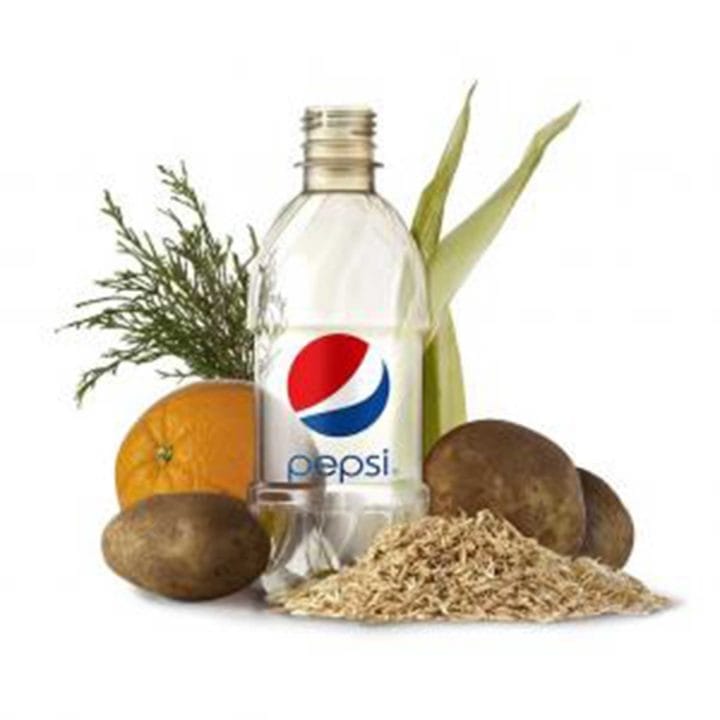
Bioplastic bottle made from orange peel – Made purely from plant-based materials, the “green” PET bottle was designed by Pepsi to offer consumers a fully recyclable alternative to traditional PET bottles. Renewable resources such as switchgrass, pine bark and orange peel serve as feedstock and enable the production of the bioplastic through a combination of chemical and biological processes. It also[...]

Learn more

MILK MaterialLab Orangen PET Pepsi

Cartamela apple paper

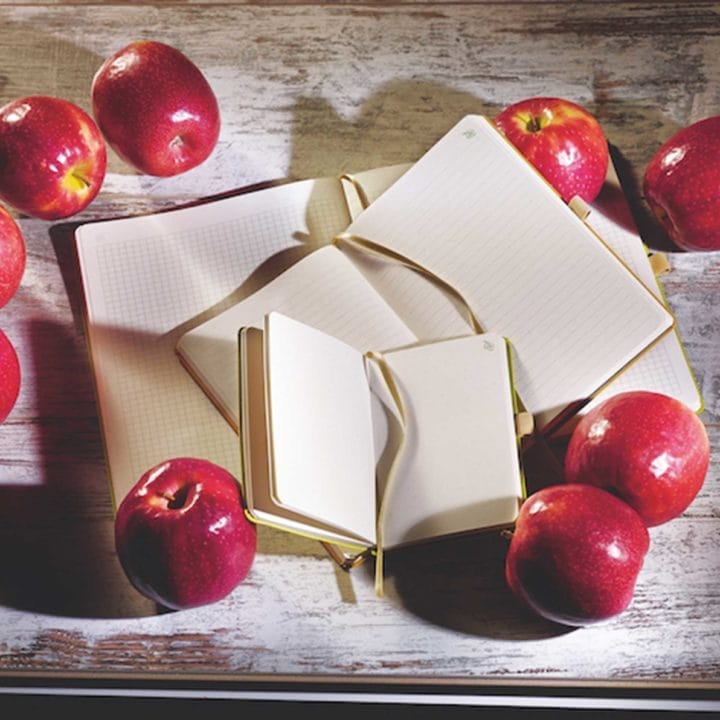
Paper from apple scraps – The South Tyrolean company FRUMAT has been drying and grinding the cellulose-containing fruit residues from apple juice production (so-called apple pomace) since 2003 in order to produce natural paper from them. Nearly half a million tons of these fruit wastes accumulate in the European region every year and, due to their fungal hazard, have[...]

Learn more

MILK MaterialLab Car

Bio-Flex

Bioplastic
for flexible film applications
– The bioplastic from Bio-Flex is basedpartly, and sometimes completely, on natural raw materials (e.g. corn, sugar cane or castor oil) and is therefore used for various film applications in the food industry. The certified biodegradability allows Bio-Flex to be used in the agricultural industry. Decomposable plant clips are thus a way to plow under[...]

Learn more

NEIGHBOR

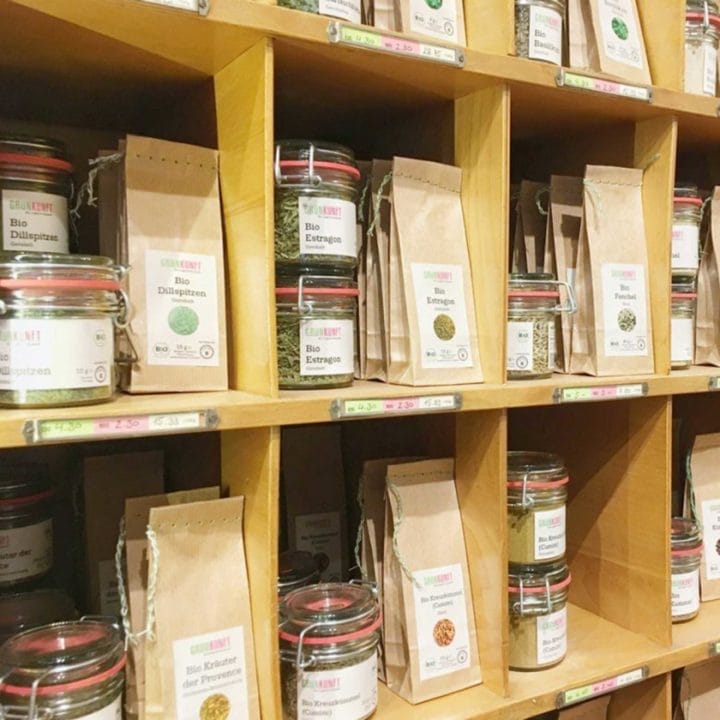
Wood cellulose compostable packaging – SUSTAINERS are 100% recyclable and fully compostable packaging solutions whose raw material is created from forestry cuttings. For material recovery, viscose (soluble) is first extracted from the pulp, which is filtered through a pouring nozzle and runs into a precipitation bath, after which a transparent film of pure regenerated cellulose is produced. The Grünkunft[...]

Learn more

Chicory plastic

Plastic from
chicory waste
– Chicory is known as a salad, less as a raw material for plastics. The root of the plant usually ends up in the composting plant. Only a fraction is used to produce biogas. Researchers at the University of Hohenheim have discovered the chicory root as a resource for obtaining hydroxymethylfurfural (HMF), one of the[...]

Learn more

MILK MaterialLab Chicorée Hochschule Hohenheim

Bio-Lutions

Tableware from natural fibers – Only raw materials such as banana stems, bagasse and rice straw, which cannot be consumed as food and therefore do not require land use, are used for BIO-LUTIONS products. The disposable tableware and packaging solution are manufactured using a mechanical process that eliminates pulp extractions and bleaching. Thisefficient process saves on chemicals and water.[...]

Learn more

Fungi Mutarium

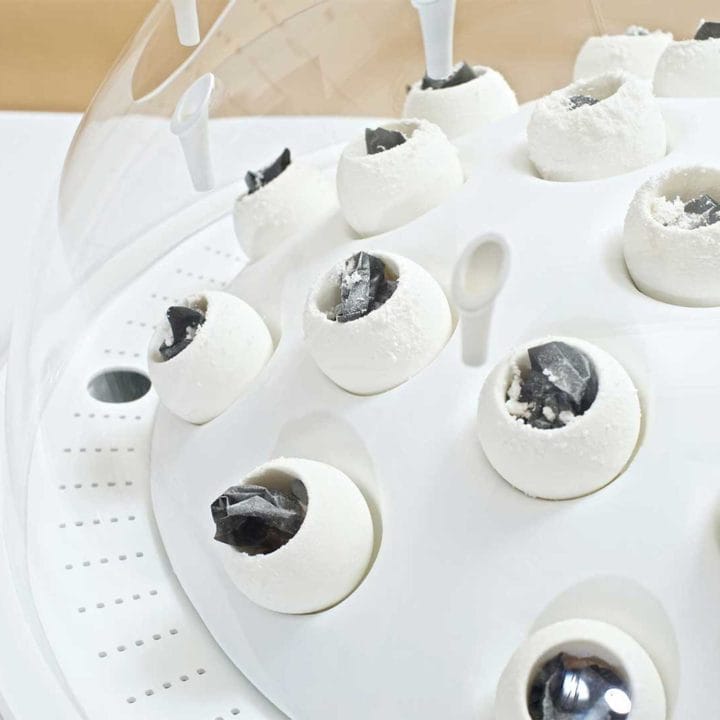
Plastic eating fungus – The prototype Fungi Mutarium enables the cultivation of a fungal biomass that is suitable for consumption, in addition to its amazing ability to degrade long-lasting plastic waste. Specially designed agar forms based on a mixture of starch and sugar, known as “FU”, serve as the nutrient base for the fungus. In shape they resemble[...]

Learn more

MILK MaterialLab Fungi Muratium

Compostable paper

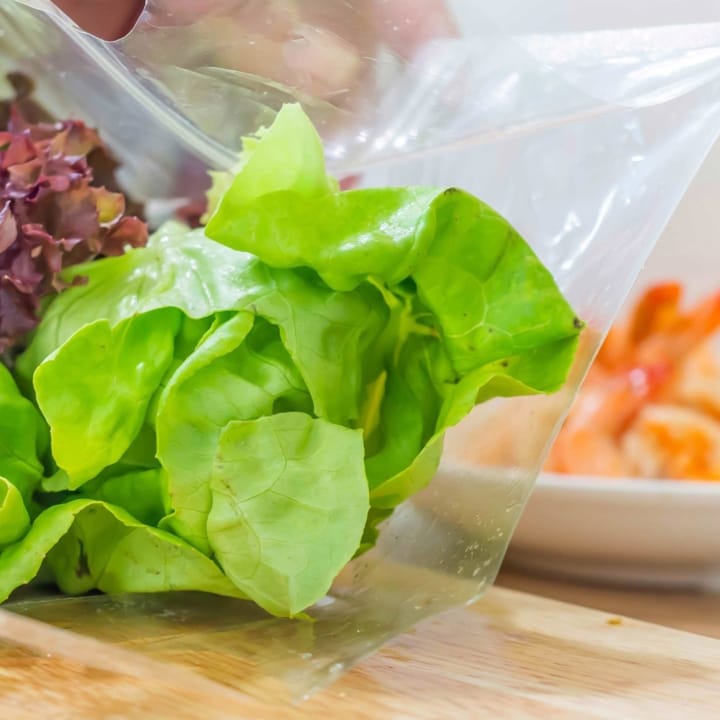
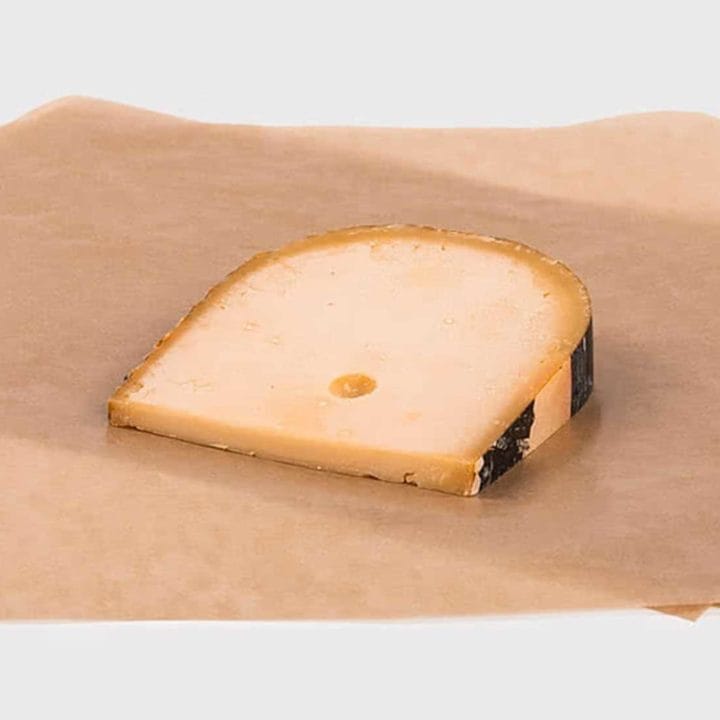
Compostable paper – Compostella natural paper is an extremely pure special paper that can be used as an alternative for cling film, aluminum foil, baking paper and wrapping film. The 100% compostable natural paper is made solely from water, cellulose and sugar. Only passing through a mechanical manufacturing process, the paper – without coating, varnishing or impregnation[...]

Learn more
Cooking New Materials

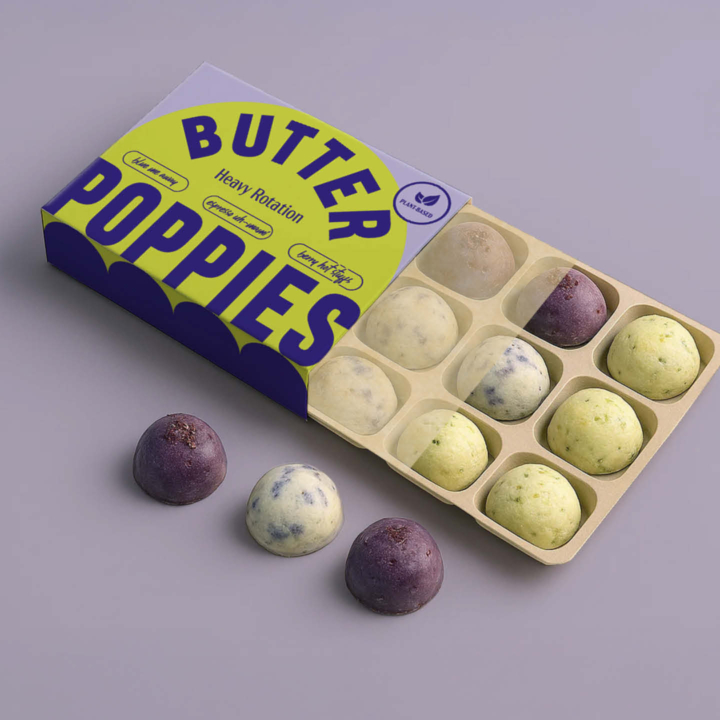
Material from organic waste – The Cooking new materials project gives food waste such as banana or orange peel or soy milk a new function by transforming it into a leather-like material made from organic waste. The substance bonded with a natural binder to form a substrate has high resistance in contact with water. With their aesthetic design, the[...]

Learn more

MILK MaterialLab Biowaste Material younyang song

GRASPAP

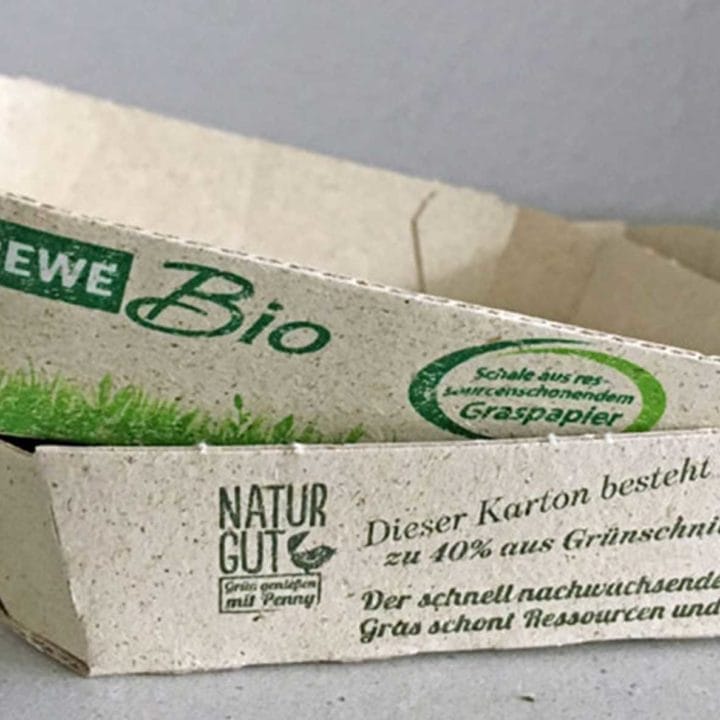
Paper from grass – GRASPAP are purely mechanically, but particularly sustainably produced natural fibers that are processed without the use of chemical additives and water. In addition to these ecological and economic aspects, the new fiber is characterized by special properties for paper production: It serves as a supplementary raw material for pulp or groundwood pulp and has[...]

Learn more

Mak-Pak

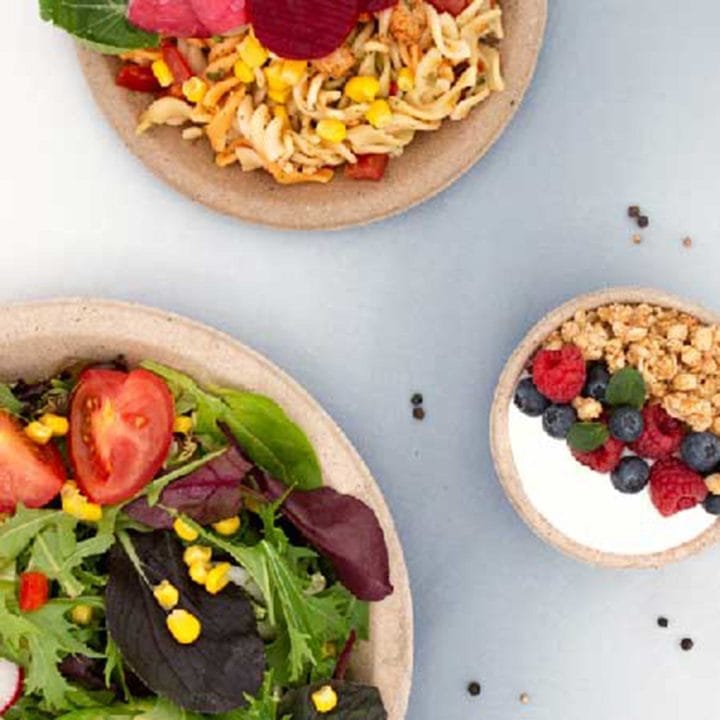
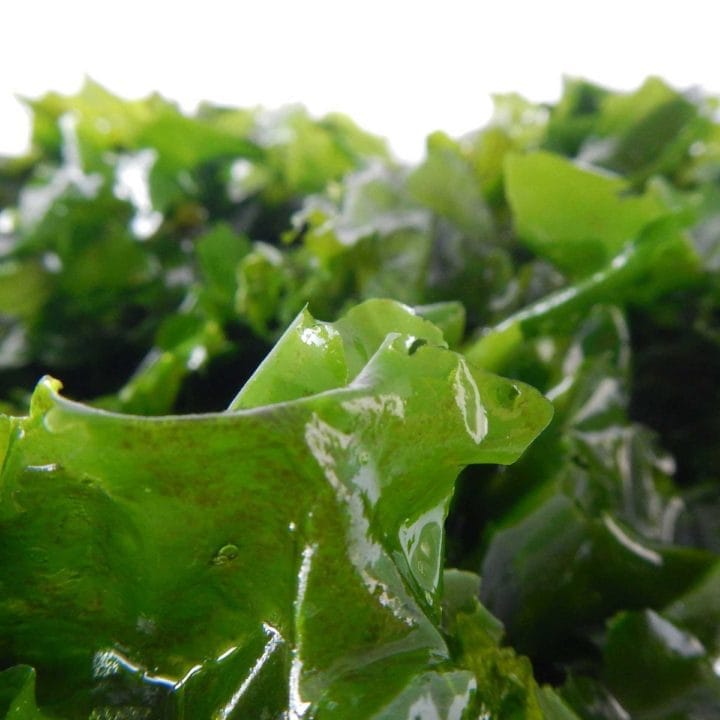
Packaging solution made from macroalgae – In collaboration with Bremerhaven University of Applied Sciences, Mak-Pak is a two-year scientific project with the aim of developing a sustainably produced, disposable and, if possible, edible packaging solution from macroalgae. The area of application is the serving of food in the out-of-home consumption as well as in the snack segment. The packaging here[...]

Learn more

MILK MaterialLab Mak Pak Nordsee